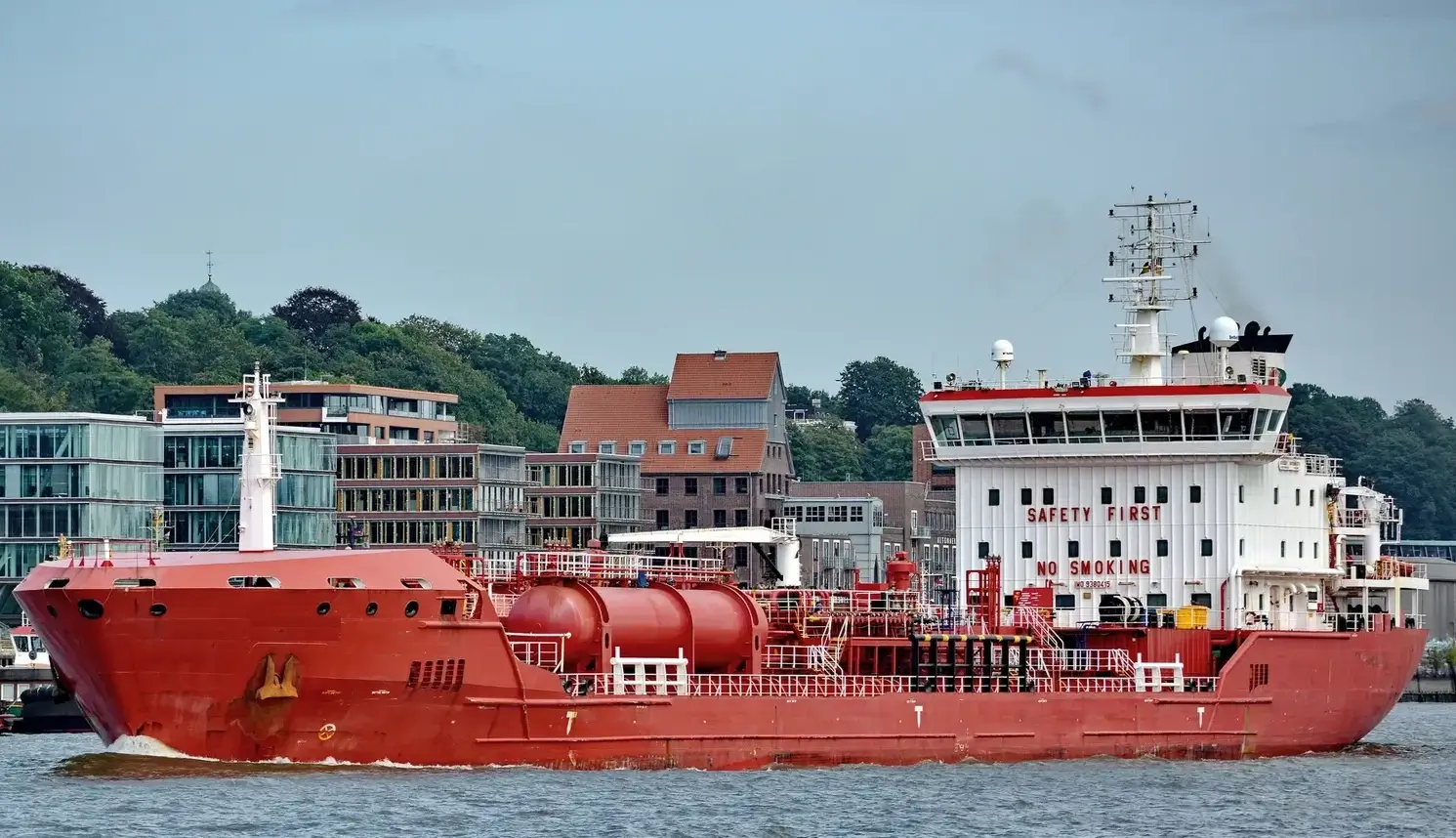
Location: -
Size: 10736DWT
Built Year: 2008
Price: $-
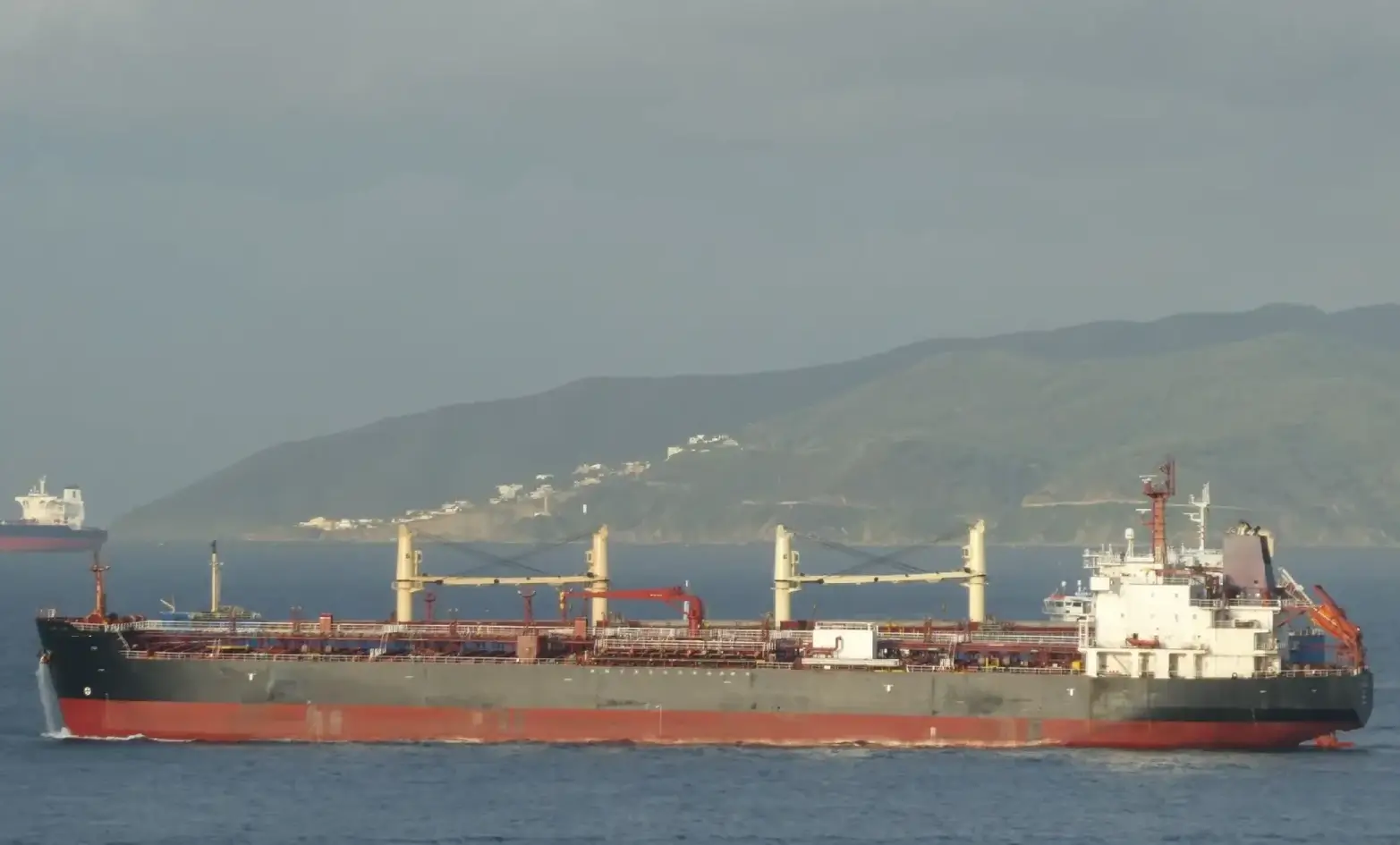
Location: DPP
Size: 39634DWT
Built Year: 2003
Price: $-
Location: -
Size: 4373DWT
Built Year: 2013
Price: $-
Location: -
Size: 3956DWT
Built Year: 2007
Price: $-
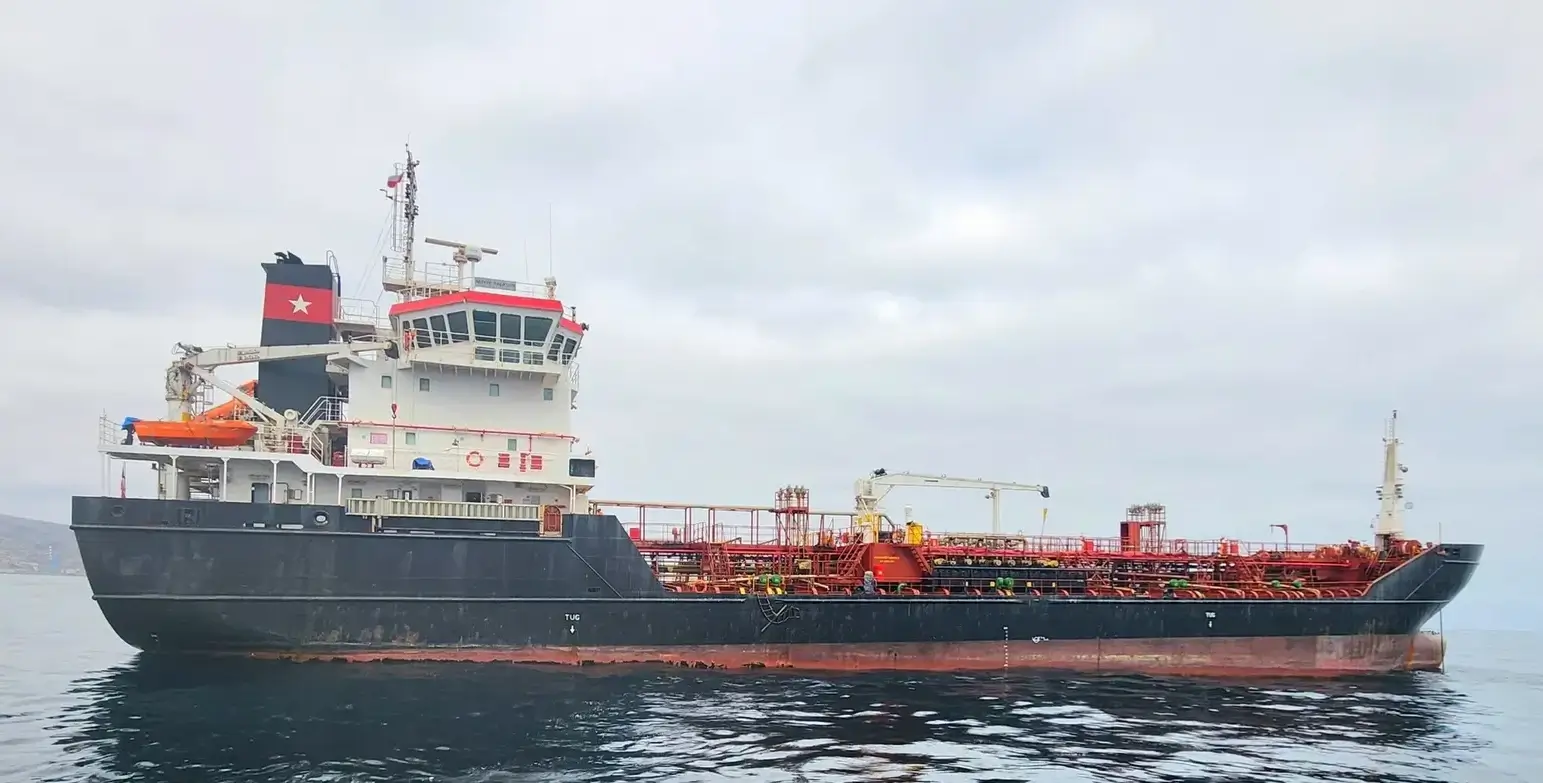
Location: Chile
Size: 3543DWT
Built Year: 2006
Price: $-
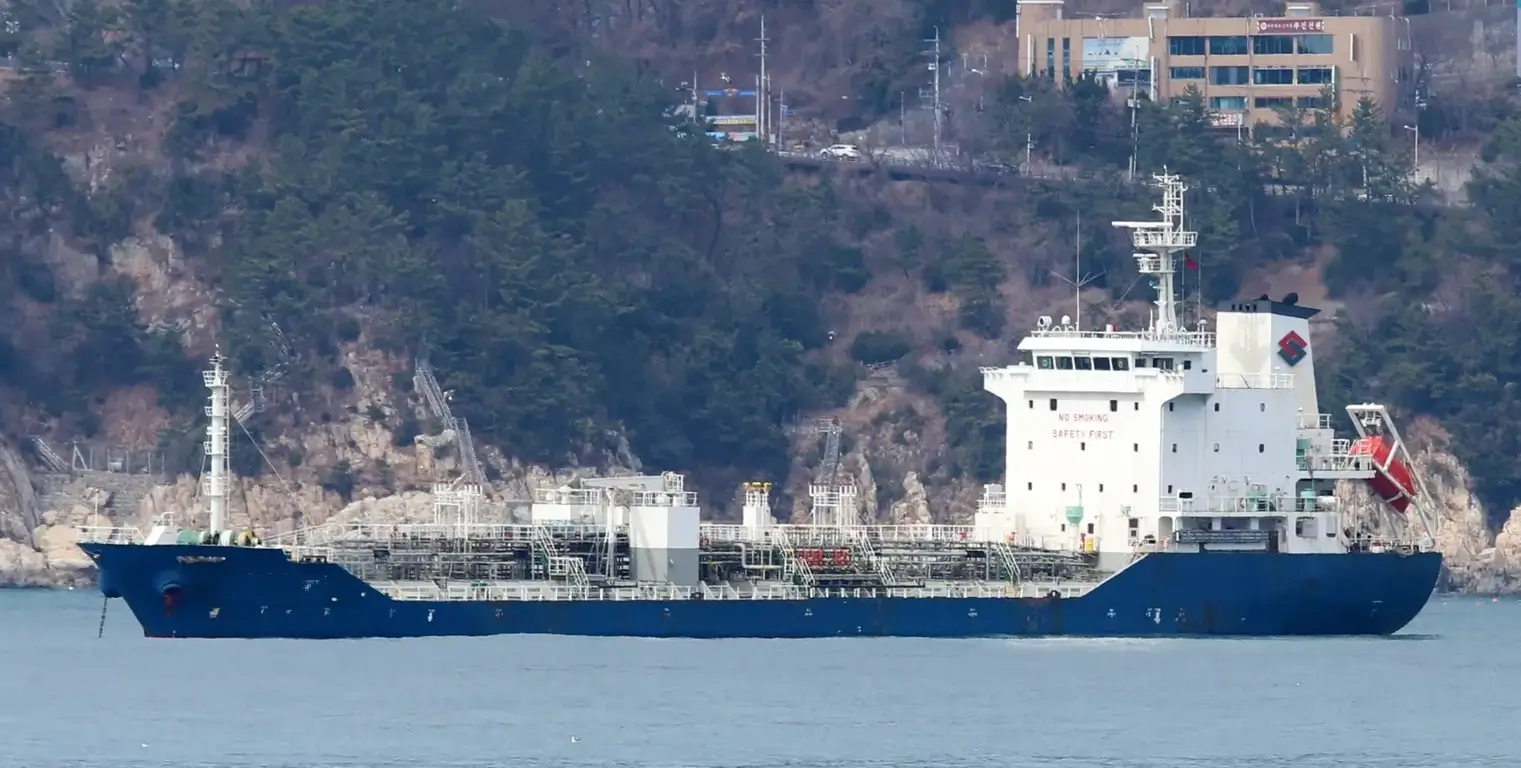
Location: -
Size: 8068DWT
Built Year: 2008
Price: $-
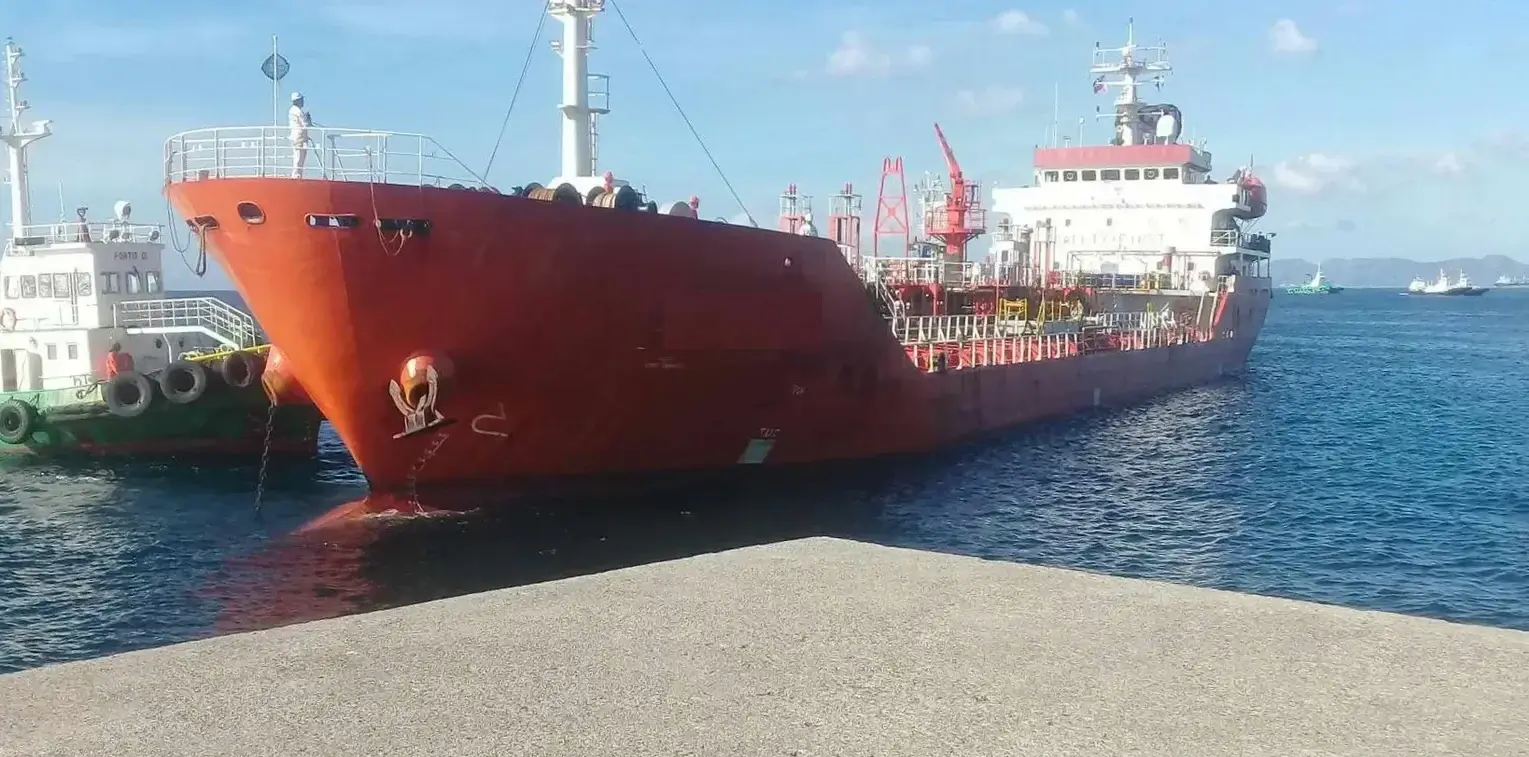
Location: -
Size: 4030DWT
Built Year: 2006
Price: $-
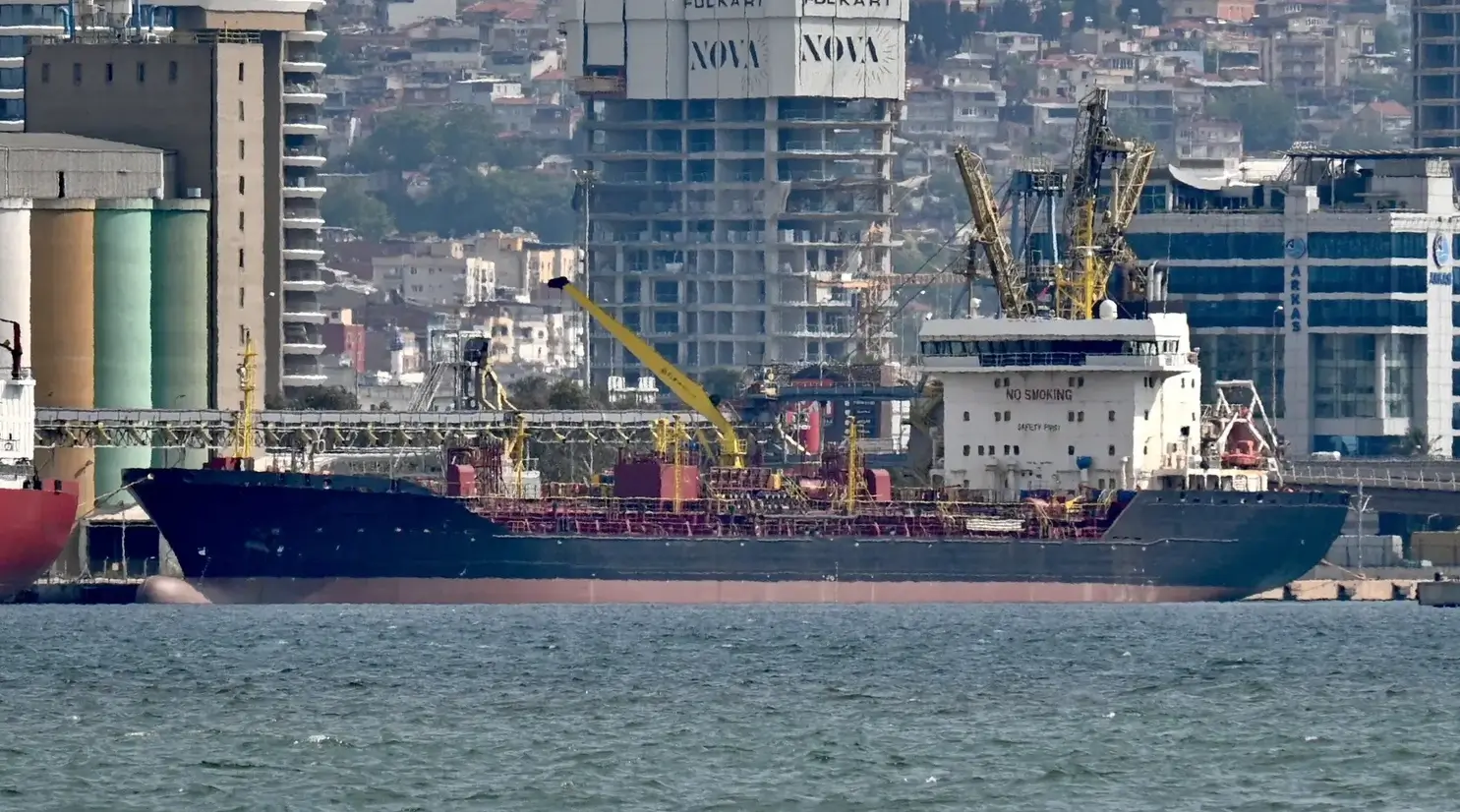
Location: CPP
Size: 20610DWT
Built Year: 2008
Price: $-
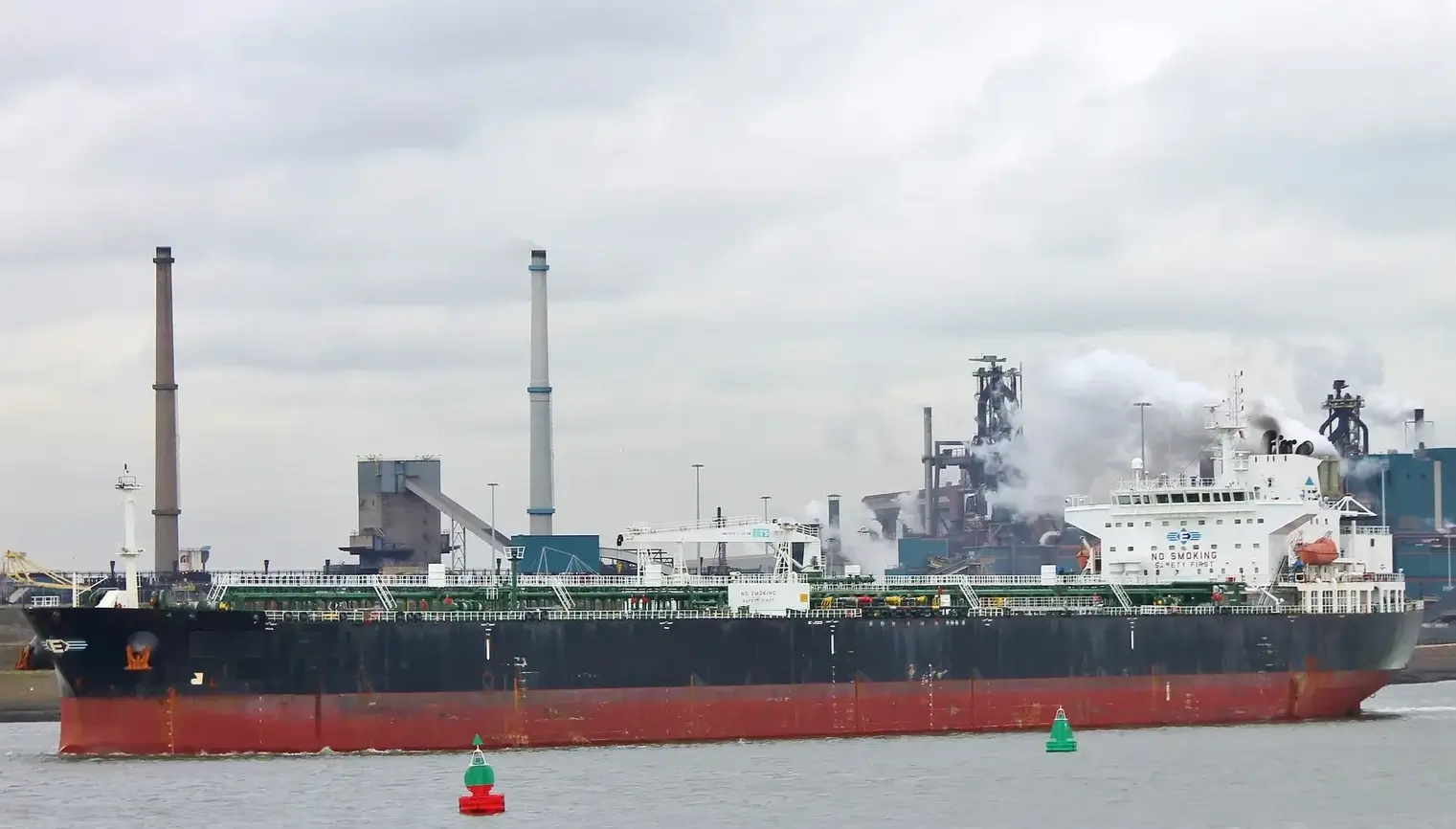
Location: CPP
Size: 73897DWT
Built Year: 2005
Price: $-
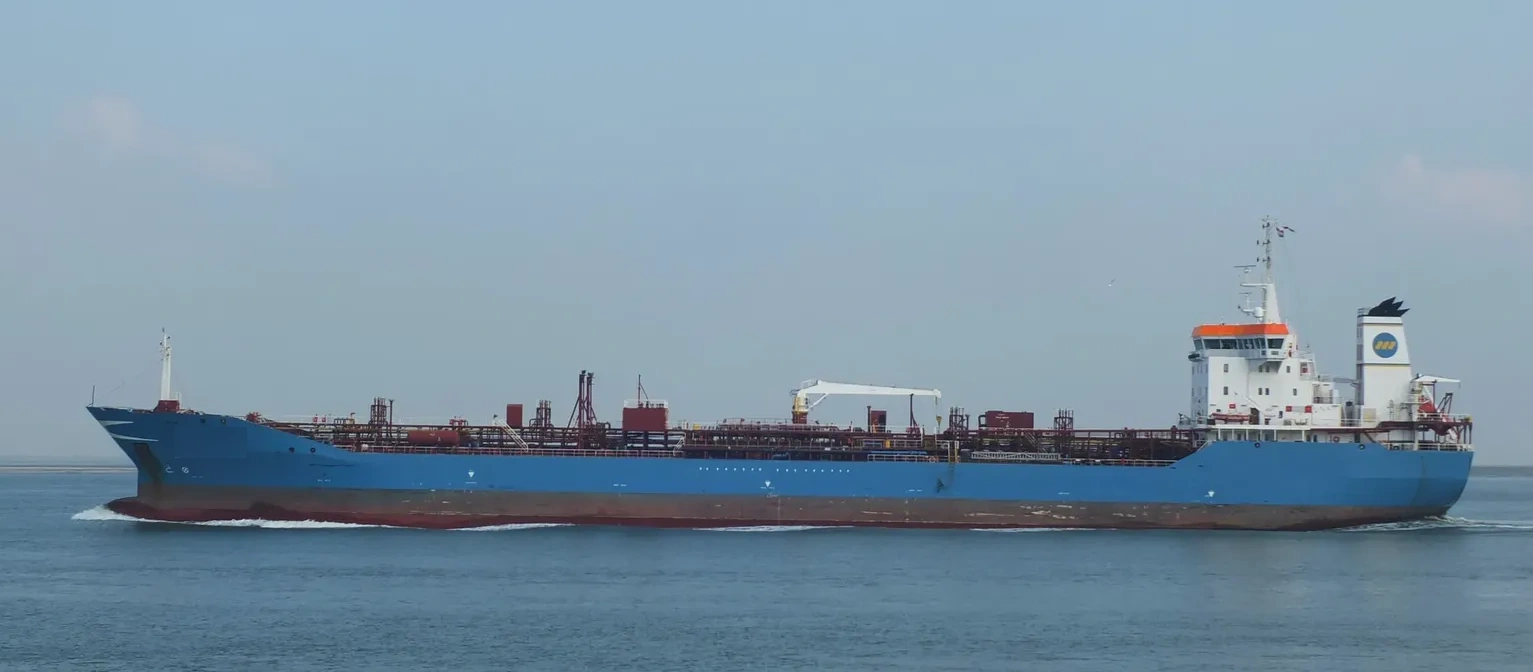
Location: ANTWERP, BELGIUM
Size: 21600DWT
Built Year: 2006
Price: $-
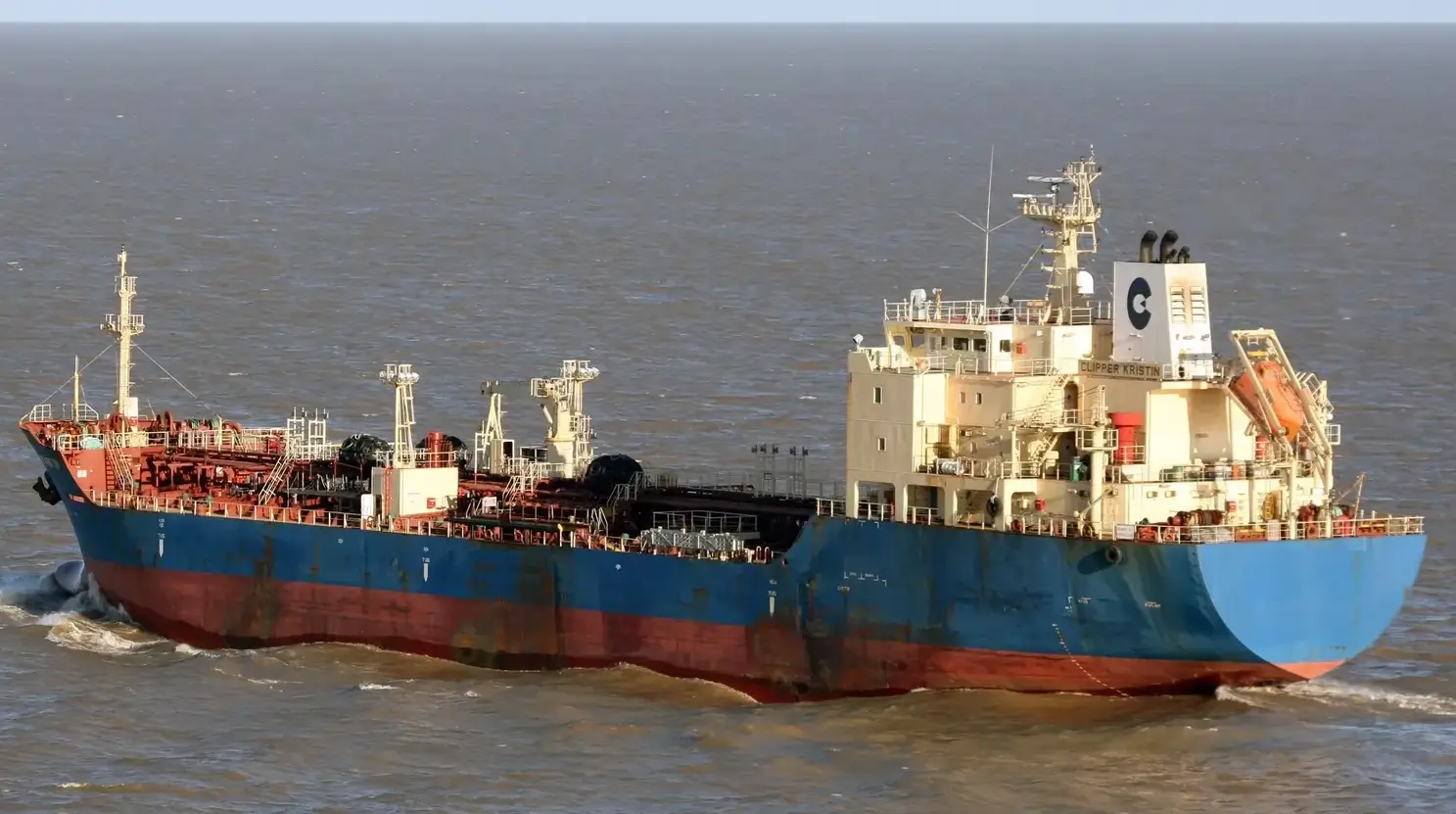
Location: AG-SINGAPORE
Size: 11,316DWT
Built Year: 2006
Price: $-
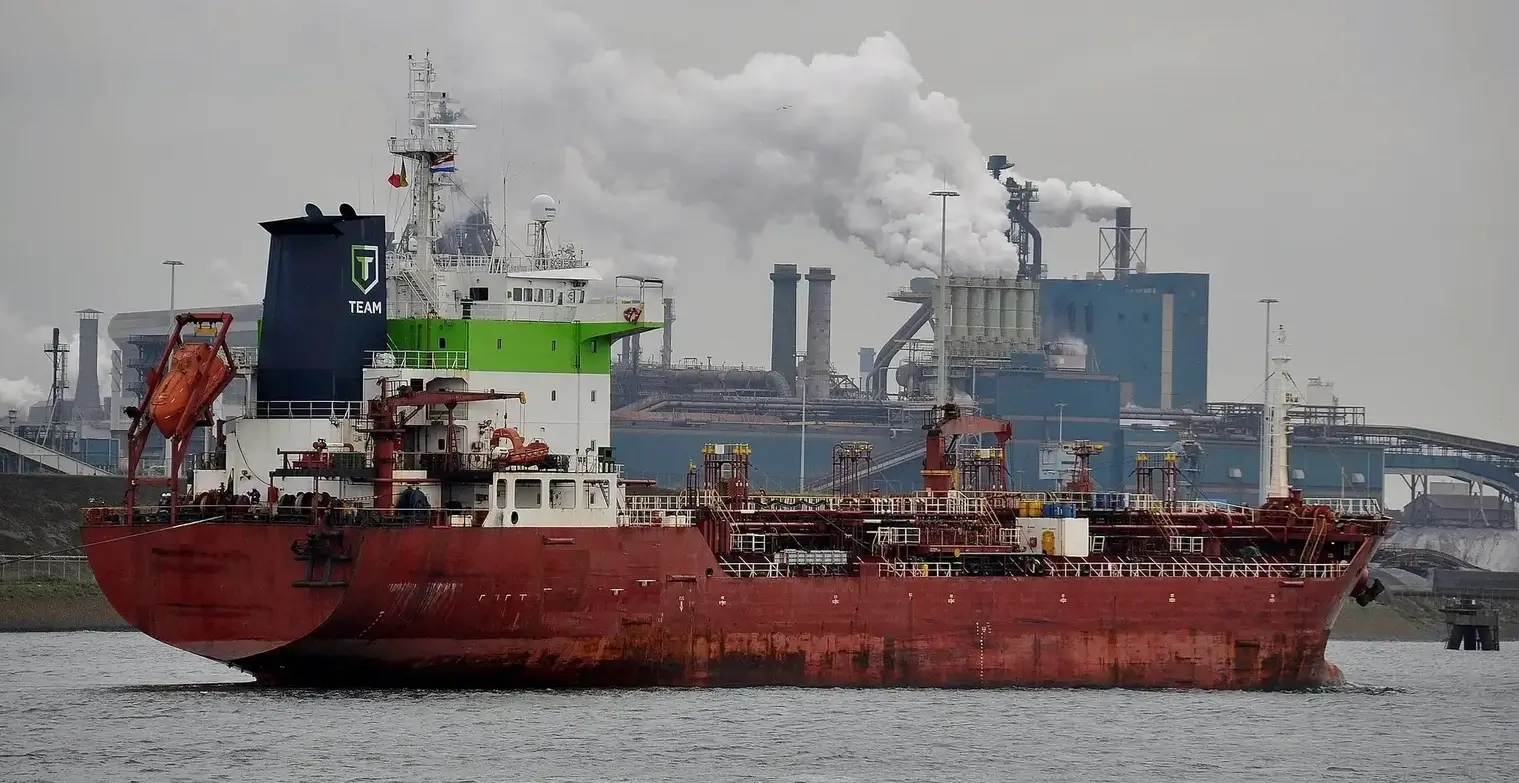
Location: -
Size: 13069DWT
Built Year: 2007
Price: $-
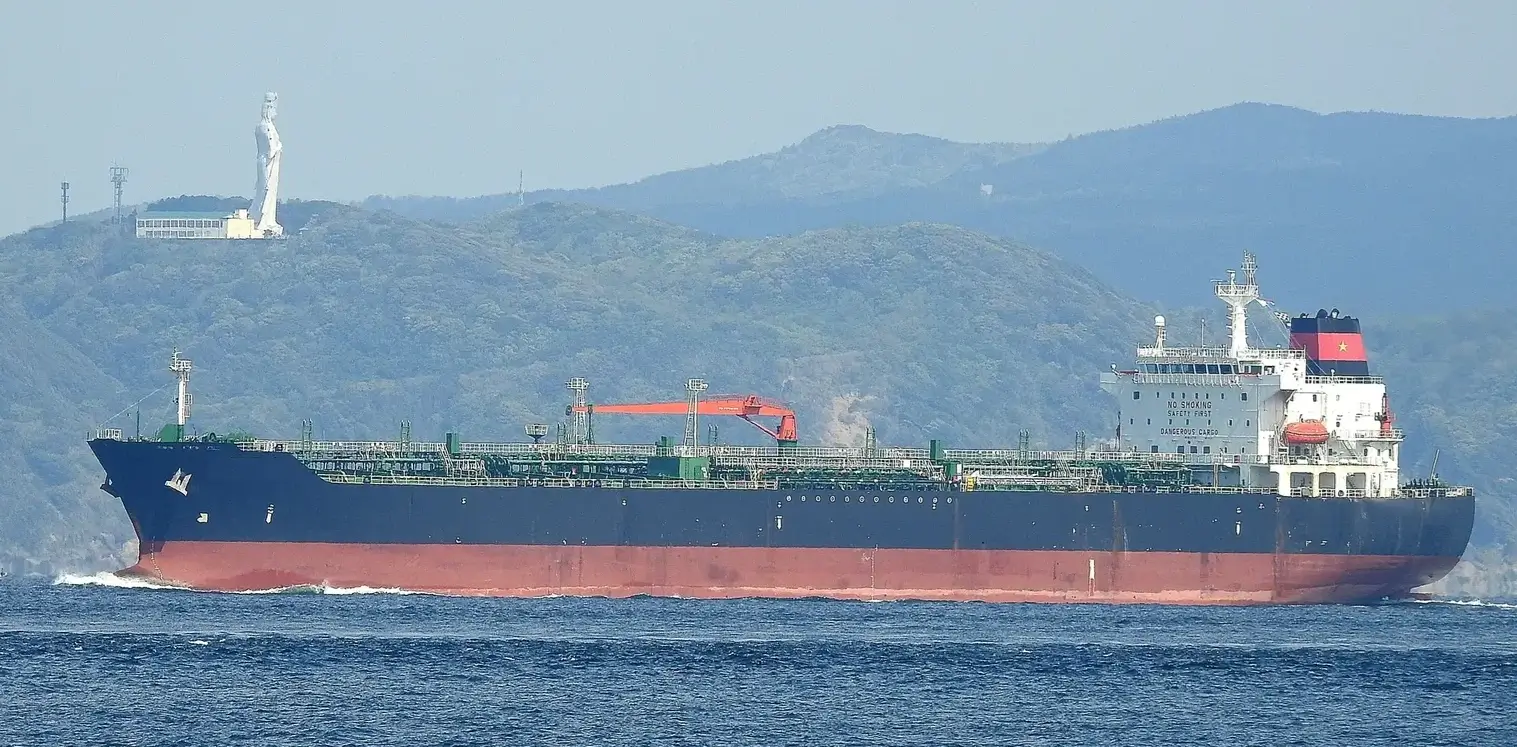
Location: Singapore
Size: 50530DWT
Built Year: 2006
Price: $-
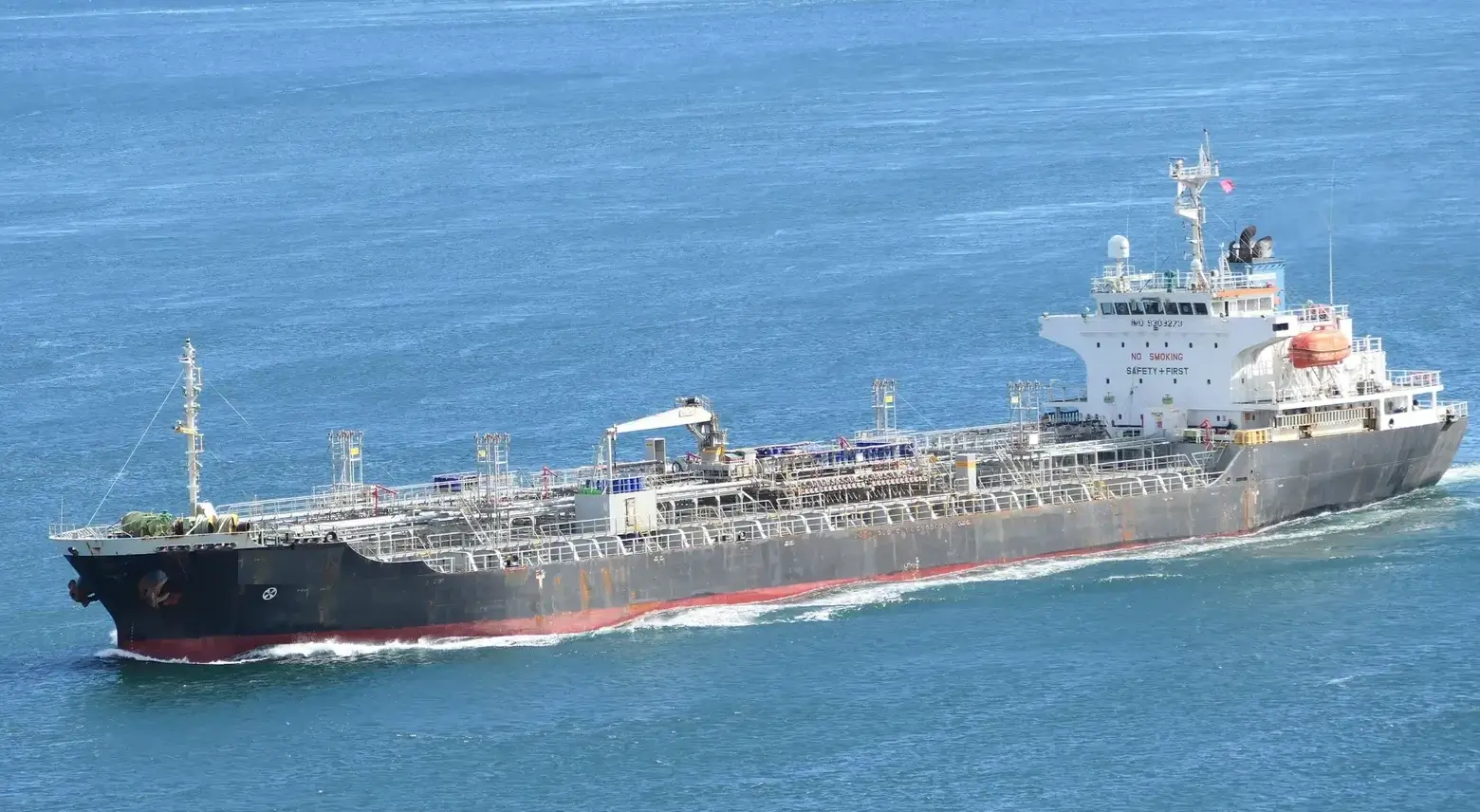
Location: Korea
Size: 12705DWT
Built Year: 2004
Price: $-
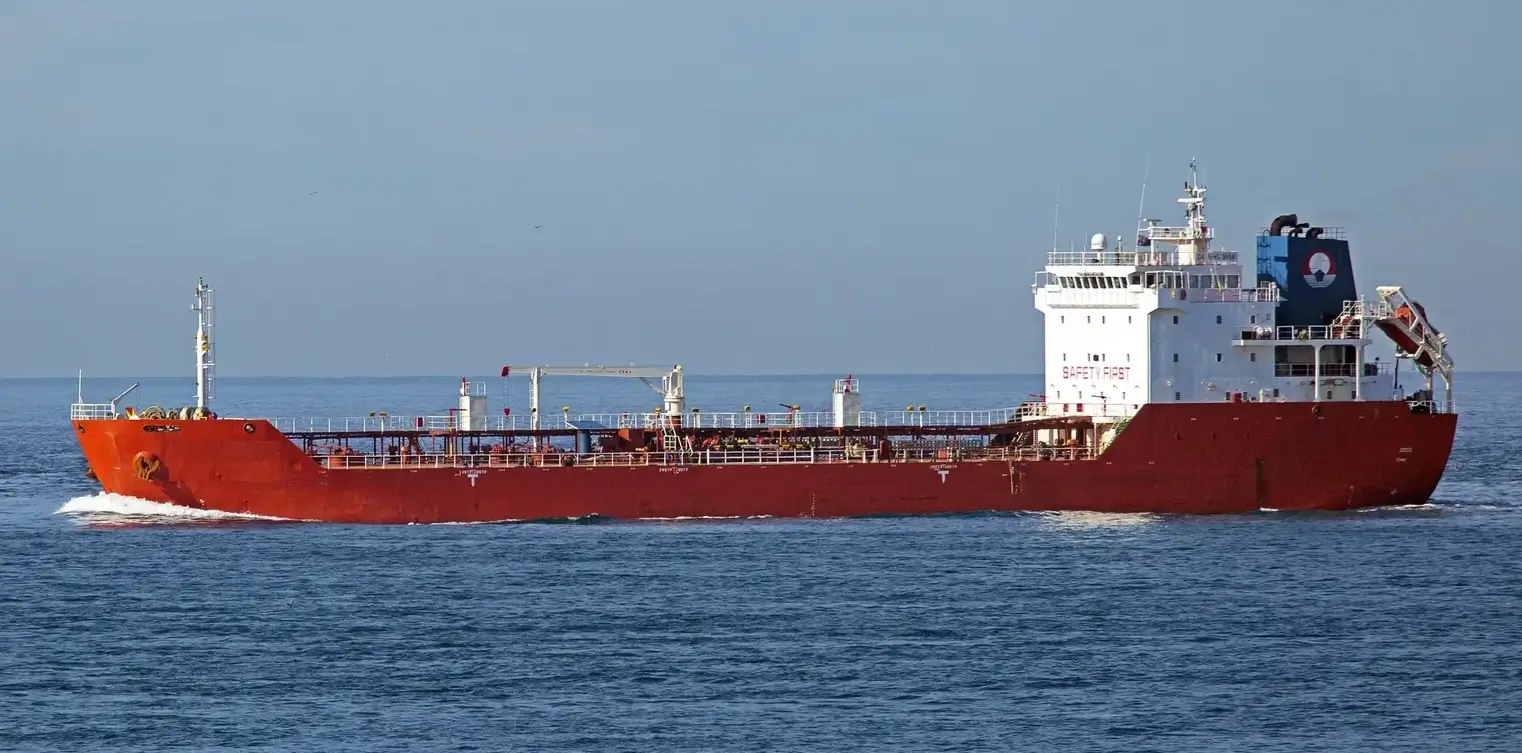
Location: -
Size: 6192DWT
Built Year: 2009
Price: $-
The Global Tanker Fleet — A Market of Enormous Scale and Opportunity
The global tanker fleet is one of the largest and most economically significant segments of the entire world shipping industry. As of today, there are approximately 10,000 to 11,000 tanker vessels of various types and sizes actively operating across the world's oceans, collectively transporting billions of tonnes of crude oil, refined petroleum products, liquefied natural gas, liquefied petroleum gas, chemicals, vegetable oils, and other liquid bulk cargoes every single year. This vast and diverse fleet forms the invisible backbone of the global energy supply chain — quietly ensuring that oil refineries stay operational, power stations remain fueled, factories continue producing, and economies around the world keep moving forward without interruption. The tanker shipping market represents one of the most dynamic, high-value, and commercially rewarding investment sectors within the broader maritime industry — and it is a market that Ships24.net knows deeply, navigates expertly, and serves with unmatched professionalism every single day.
The tanker vessel sale and purchase market is one of the most active and continuously traded segments of the global secondhand ship market. At any given moment, hundreds of tanker vessels of varying ages, sizes, types, and flag states are being offered for sale by motivated sellers across every major maritime trading region in the world. For buyers, this creates an enormous range of opportunity — but also significant complexity. Navigating the tanker sale market successfully requires not only access to the right vessels at the right time but also a deep understanding of vessel technical specifications, classification society requirements, flag state regulations, market pricing dynamics, charter party implications, and the due diligence processes necessary to ensure a safe and commercially sound acquisition. This is precisely where Ships24.net adds the most value — bringing together market access, technical expertise, pricing intelligence, and professional brokerage support to guide every client to the right tanker vessel at the right price and on the most favorable terms available in the current market.
The tanker vessel category encompasses a remarkably wide and diverse range of ship types, each designed for a specific cargo type and trading pattern. At Ships24.net, our brokerage portfolio covers the complete spectrum of tanker vessels available in the global sale market including the following major categories:
Crude Oil Tankers are the giants of the tanker world, designed to carry unrefined crude oil from production fields and export terminals to refineries around the globe. Crude tankers are further classified by size into Very Large Crude Carriers (VLCC) with a capacity of 200,000 to 320,000 deadweight tonnes, Ultra Large Crude Carriers (ULCC) exceeding 320,000 deadweight tonnes, Suezmax tankers ranging from 120,000 to 200,000 deadweight tonnes, Aframax tankers between 80,000 and 120,000 deadweight tonnes, and Panamax crude tankers in the 60,000 to 80,000 deadweight tonne range. Each size category serves specific trade routes and port infrastructure limitations, and Ships24.net maintains active market coverage across all crude tanker size segments.
Product Tankers are designed to carry refined petroleum products such as gasoline, diesel, jet fuel, naphtha, and heating oil from refineries to distribution terminals and end-user markets worldwide. Product tankers range in size from Large Range 2 (LR2) vessels of approximately 80,000 to 120,000 deadweight tonnes down through Large Range 1 (LR1), Medium Range (MR), and Small Range (SR) tankers, with coated cargo tanks specifically designed to protect refined product quality during transportation. The product tanker market is one of the most liquid and actively traded segments of the secondhand vessel market, and Ships24.net regularly handles sale and purchase transactions across all product tanker size categories.
Chemical Tankers are among the most technically sophisticated vessels in the tanker category, equipped with multiple segregated stainless steel or coated cargo tanks capable of carrying dozens of different chemical products simultaneously without cross-contamination. Chemical tankers are classified into IMO Type 1, Type 2, and Type 3 categories based on the hazard level of the products they are certified to carry, and they serve a vast and growing global market for petrochemicals, vegetable oils, acids, alcohols, and other specialty liquid cargoes. Ships24.net has extensive experience brokering chemical tanker transactions across all IMO categories and cargo tank configurations.
Oil and Chemical Tankers combine the operational flexibility of both product and chemical tanker capabilities, making them highly versatile commercial assets capable of serving multiple cargo markets. These dual-purpose vessels are particularly attractive to operators seeking maximum trading flexibility and cargo revenue diversification across changing market conditions.
Bitumen Tankers are specialized vessels designed to carry heated bitumen and asphalt in insulated and heated cargo tanks that maintain the cargo in a liquid state throughout the voyage. Bitumen tankers serve the construction and road-building industries globally and represent a niche but consistently active segment of the tanker sale market.
Vegetable Oil Tankers are specially designed and certified to carry food-grade liquid cargoes including palm oil, soybean oil, sunflower oil, and other vegetable oils in dedicated stainless steel or epoxy-coated cargo tanks that meet stringent food safety and hygiene standards. These vessels serve the rapidly growing global edible oils trade and are in consistent demand across Asian, Middle Eastern, and European markets.
Bunker Tankers and Small Coastal Tankers serve critical roles in port operations and short-sea liquid cargo trades, providing fuel bunkering services to ocean-going vessels and transporting petroleum products between coastal ports and inland waterway terminals. These smaller tanker vessels represent some of the most accessible entry points for investors and operators entering the tanker ownership market.
Choosing the right brokerage partner when buying or selling a tanker vessel is one of the most consequential decisions any maritime operator or investor will make. Ships24.net brings a unique and powerful combination of qualities that consistently set us apart in the competitive tanker brokerage market. Our team brings years of accumulated experience specifically within the tanker sale and purchase sector — having successfully brokered transactions involving crude tankers, product tankers, chemical tankers, and specialty tanker vessels across every major trading region in the world. This depth of experience means that our brokers understand not just the commercial dimensions of tanker transactions but also the technical intricacies, regulatory requirements, and operational considerations that can make or break a deal. Our global network of verified tanker owners, operators, traders, and investors spans Europe, Asia, the Middle East, Africa, and the Americas — giving our clients privileged access to both publicly marketed vessels and exclusive off-market opportunities that are never advertised on open platforms. For sellers, this network means immediate and targeted exposure to a large pool of qualified and financially capable buyers who are actively seeking tanker tonnage in the current market cycle. Ships24.net provides a genuinely end-to-end brokerage service covering every stage of the tanker transaction process — from initial market inquiry and vessel identification through accurate valuation, pre-purchase inspection coordination, skilled commercial negotiation, Memorandum of Agreement preparation, and full closing documentation support. Our clients never have to navigate the complexity of a tanker transaction alone — our experienced team is with them every step of the way until the vessel is safely delivered and the deal is successfully closed.
The global tanker market operates in cycles driven by a complex interplay of crude oil production and demand dynamics, geopolitical developments, refinery output levels, newbuilding deliveries, fleet scrapping activity, and seasonal cargo demand patterns. In recent years the tanker market has experienced significant strengthening driven by shifting global trade patterns, increased ton-mile demand resulting from longer voyage distances, and supply constraints arising from reduced newbuilding deliveries. The ongoing global energy transition is also reshaping tanker demand patterns — with LNG and LPG tankers experiencing particularly strong market conditions as natural gas demand grows across Asia and Europe, while crude and product tanker markets continue to benefit from sustained global oil consumption. Understanding these market dynamics is critical to making well-timed and commercially sound decisions in the tanker sale and purchase market — and Ships24.net continuously monitors all relevant market indicators to ensure our clients always have access to the most current, accurate, and actionable market intelligence available.
At Ships24.net we provide a comprehensive range of professional brokerage services specifically tailored to the needs of tanker buyers and sellers operating in today's global maritime market. Our services include accurate tanker vessel valuation and market appraisal based on current comparable sales data, targeted vessel sourcing and buyer identification through our extensive global network, pre-purchase inspection coordination with experienced tanker marine surveyors and naval architects, skilled commercial negotiation and Memorandum of Agreement drafting, classification society and flag state transfer coordination, and complete closing documentation management through to final vessel delivery. Whether you are buying your first tanker or managing a fleet-level portfolio transaction, Ships24.net delivers the professional expertise and dedicated personal service that every tanker transaction deserves.
Tanker age affects purchase price, operational costs, charter employment, and remaining economic life:
The vessel's survey status affects valuation and operational readiness. Fresh from drydock vessels command premiums; approaching survey vessels trade at discounts reflecting upcoming costs.
Maximum draft determines route flexibility and port accessibility:
Used tanker prices vary by age, size, shipyard, survey status, and market conditions. Mid-age Aframax: $25-40M, Suezmax: $35-55M, VLCC: $70-90M, older Handysize: $5-8M.
Question 1: What is the difference between a crude oil tanker and a product tanker?
Answer: This is one of the most frequently asked questions among first-time tanker buyers and maritime investors entering the tanker market for the first time. A crude oil tanker is designed to carry unrefined crude oil directly from oil production fields, offshore platforms, and export terminals to petroleum refineries where the crude is processed into usable petroleum products. Crude tankers typically have uncoated cargo tanks as crude oil is not as chemically reactive as refined products. A product tanker, on the other hand, is designed to carry the refined outputs of the refining process — including gasoline, diesel, jet fuel, kerosene, and naphtha — from refineries to distribution terminals and end markets. Product tankers are equipped with specially coated cargo tanks to prevent contamination and protect the quality of the refined cargo during transportation. The two vessel types serve different positions in the global energy supply chain and operate on different trade routes and commercial models, making the distinction critically important for buyers when selecting the right tanker type for their intended operation.
Question 2: How many tanker ships are currently for sale in the global market??
Answer: The number of tanker vessels available for sale in the global secondhand market fluctuates constantly in response to market conditions, charter rate cycles, fleet age profiles, and owner liquidity requirements. At any given point in time, there are typically several hundred tanker vessels of varying types, sizes, ages, and flag states being actively marketed for sale across the international ship sale and purchase market. Ships24.net maintains continuous and real-time monitoring of tanker vessel availability across all major size categories — from small coastal bunker tankers to Very Large Crude Carriers — and our brokers have immediate access to both publicly listed vessels and exclusive off-market opportunities sourced through our extensive global network of shipowners and operators. Contact our team today for an up-to-date overview of tanker vessels currently available that match your specific requirements and budget.
Question 3: What is the average price of a tanker ship for sale?
Answer: Tanker vessel prices vary enormously depending on a wide range of factors including vessel type, size, age, condition, classification status, flag state, cargo tank specification, propulsion system efficiency, trading history, and prevailing market conditions at the time of sale. As a general market reference, small coastal product tankers and bunker tankers can be acquired in the range of one to five million US dollars, while Medium Range (MR) product tankers typically trade between fifteen and forty million dollars depending on age and condition. Aframax and Suezmax crude tankers command prices ranging from thirty to eighty million dollars in the current market, while Very Large Crude Carriers (VLCCs) can reach values of sixty to one hundred and twenty million dollars or more for modern, well-maintained vessels in strong classification condition. Ships24.net provides accurate, data-driven vessel valuations for every tanker type based on current comparable sales — contact our team for a confidential market appraisal of any specific vessel you are considering buying or selling.
Question 4: What technical inspections are required before purchasing a tanker ship?
Answer: A thorough pre-purchase inspection is one of the most critical and non-negotiable steps in any tanker vessel acquisition. At Ships24.net, we strongly advise all tanker buyers to conduct a comprehensive inspection program before making any financial commitment. A full tanker pre-purchase inspection typically includes a detailed hull and machinery survey conducted by an experienced and independent marine surveyor, an underwater hull inspection by a qualified diving team or remotely operated vehicle (ROV), a cargo tank condition assessment covering tank coating integrity, internal structure, and pump condition, an engine room inspection covering main engine, auxiliary engines, boilers, and all mechanical systems, a review of the vessel's class survey history and outstanding recommendations, a full inspection of cargo pumping systems, pipelines, valves, and heating coils, and a safety equipment audit covering lifesaving appliances, fire detection, and suppression systems. Ships24.net coordinates all aspects of the pre-purchase inspection process on behalf of our buyer clients, working with trusted and internationally accredited surveyors and technical specialists to ensure complete transparency and accuracy in every inspection report.
Question 5: Which flag states are most popular for tanker vessel registration?
Answer: Flag state selection is an important commercial and regulatory consideration for tanker vessel owners and operators. The most popular open registry flag states for tanker vessels in the global fleet include Panama, Marshall Islands, Liberia, Bahamas, Malta, Cyprus, and Singapore — each offering competitive registration costs, flexible crewing requirements, and internationally recognized regulatory frameworks that facilitate smooth port state control inspections and charterer acceptance across all major trading routes. Some operators prefer flag states with strong maritime reputations such as Norway, Greece, or the United Kingdom for commercial positioning reasons, particularly when operating in sensitive trades or working with major oil company charterers who maintain strict vessel vetting standards. Ships24.net provides guidance on flag state selection as part of our comprehensive transaction support service, helping buyers choose the most commercially advantageous and operationally suitable registry for their specific vessel and trading pattern.
Question 6: What is SIRE inspection and why does it matter for tanker buyers?
Answer: SIRE stands for Ship Inspection Report Programme and is operated by the Oil Companies International Marine Forum (OCIMF). The SIRE programme is the primary vessel inspection and vetting system used by major oil companies, charterers, and terminal operators worldwide to assess the safety, operational condition, and regulatory compliance of tanker vessels before approving them for charter or cargo loading. A vessel with a clean and current SIRE inspection record is significantly more attractive to charterers and therefore more commercially valuable in the market. For tanker buyers, reviewing a vessel's SIRE inspection history is a critical component of commercial due diligence — providing valuable insight into the vessel's operational condition, crew competence, safety management standards, and overall quality as a commercial asset. Ships24.net advises all tanker buyers to review SIRE records carefully as part of their pre-purchase assessment process and our brokers are fully conversant with the SIRE programme and its commercial implications for tanker vessel values.
Question 7: What is the CDI inspection programme for chemical tankers?
Answer: The Chemical Distribution Institute (CDI) inspection programme is the chemical tanker industry's equivalent of the SIRE programme for oil tankers. CDI inspections are conducted by qualified marine inspectors on behalf of chemical cargo shippers, terminal operators, and charterers to assess the safety, technical condition, and operational compliance of chemical tanker vessels before approving them for chemical cargo loading and transportation. A current and satisfactory CDI inspection certificate significantly enhances a chemical tanker's commercial attractiveness and earning potential in the spot and period charter markets. For buyers considering chemical tanker acquisitions, reviewing the vessel's CDI inspection history and ensuring the vessel meets current CDI standards is an essential step in the due diligence process. Ships24.net has extensive experience in chemical tanker transactions and our brokers provide detailed guidance on CDI compliance requirements as part of our comprehensive buyer advisory service.
Question 8: How does the age of a tanker affect its sale price and trading potential?
Answer: The age of a tanker vessel is one of the most significant factors influencing both its market value and its commercial trading potential. Younger vessels — typically those under ten years of age — command premium prices in the secondhand market due to their longer remaining economic life, better fuel efficiency, lower maintenance costs, superior classification survey status, and higher charterer acceptance rates among major oil companies and chemical cargo shippers who maintain strict age restrictions on vessels they approve for charter. Vessels between ten and fifteen years of age typically represent good value propositions for buyers seeking a balance between acquisition cost and remaining trading life. Older vessels approaching twenty years of age or beyond are generally acquired at significantly discounted prices reflecting their higher operating costs, increased survey and drydock expenditure requirements, and reduced commercial flexibility in some charter markets. Ships24.net provides honest and transparent age-adjusted market valuations for all tanker vessels, helping buyers make fully informed acquisition decisions that align with their commercial objectives and investment horizon.
Question 9: Can I finance the purchase of a tanker ship and how does Ships24.net assist with financing?
Answer: Yes, tanker vessel purchases can be financed through a variety of funding structures depending on the buyer's financial profile, the vessel's age and condition, and the prevailing appetite of maritime lenders in the current market. Common financing options available to tanker buyers include commercial bank shipping loans from specialist maritime lenders, export credit agency financing for newbuilding tanker orders at major shipyards, sale and leaseback arrangements with maritime leasing companies, private equity funding for larger fleet acquisitions, and Islamic finance structures for buyers operating in Gulf Cooperation Council markets. Ships24.net maintains strong and well-established relationships with leading maritime financial institutions, specialist shipping banks, and leasing companies across Europe, Asia, and the Middle East — and our team actively assists qualified buyers in connecting with the most appropriate and competitive financing sources available for their specific tanker acquisition requirements.
Question 10: How do I start the process of buying or selling a tanker ship with Ships24.net?
Answer: Beginning your tanker buying or selling journey with Ships24.net is a simple, straightforward, and completely confidential process. For buyers, simply contact our brokerage team through the Ships24.net website with details of your vessel requirements including tanker type, size category, preferred age range, budget, flag state preference, and intended trading area — and our brokers will respond promptly with a curated selection of suitable vessels currently available in the market, complete with technical summaries, pricing guidance, and our honest market assessment of each option. For sellers, contact us with details of your vessel including type, size, age, classification status, and your timing and pricing expectations — and our team will conduct an immediate market appraisal and develop a targeted marketing and sale strategy designed to connect your vessel with the most qualified and motivated buyers in our global network as quickly and efficiently as possible. At Ships24.net, we pride ourselves on fast response times, absolute discretion, and a client-first approach that consistently delivers outstanding results in every tanker transaction we handle.
While tanker vessels represent one of our most active and specialized brokerage categories, Ships24.net is proud to operate as a truly comprehensive full-spectrum maritime brokerage house with the global reach, technical expertise, and professional capability to handle the sale and acquisition of every vessel type actively traded in the international shipping market today. Our extensive all-vessel portfolio covers Bulk Carriers, LNG Carriers, LPG Carriers, Container Ships, General Cargo Vessels, RoRo Ships, Pure Car Carriers (PCC), Pure Car and Truck Carriers (PCTC), Heavy Lift Vessels, Multi-Purpose Cargo Ships, Offshore Supply Vessels (OSV), Platform Supply Vessels (PSV), Anchor Handling Tug Supply Vessels (AHTS), Crane Vessels, Pipe Laying Vessels, Cable Laying Ships, Dredgers, Hopper Barges, FPSO Units, Floating Storage Units (FSU), Floating Storage and Regasification Units (FSRU), Accommodation Vessels, Survey Ships, Fishing Vessels, Fish Factory Ships, Reefer Vessels, Livestock Carriers, Passenger Ships, Cruise Ships, Expedition Vessels, RoPax Ferries, Tugboats, Pilot Boats, Barges, Inland Waterway Vessels, Research Ships, Training Vessels, Ice Breakers, Super Yachts, and Harbor Craft. No matter what vessel type your business demands or your investment strategy requires, Ships24.net has the market knowledge, the global connections, and the professional dedication to deliver the right solution — efficiently, transparently, and with the results-driven commitment that our clients around the world have come to expect and rely upon. Visit ships24.net today and let our experienced team help you find, buy, or sell your next vessel with complete confidence.
Tanker ship for sale