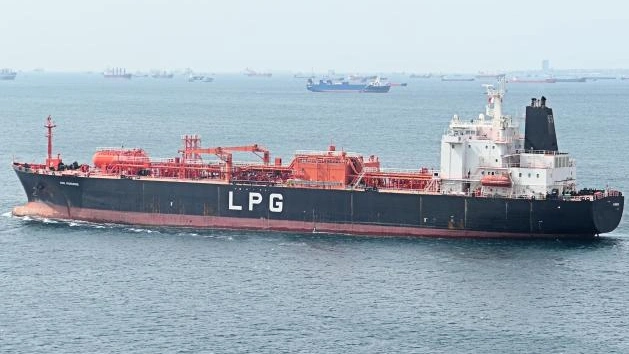
Location: Korea
Size: 16897DWT
Built Year: 2002
Price: $-
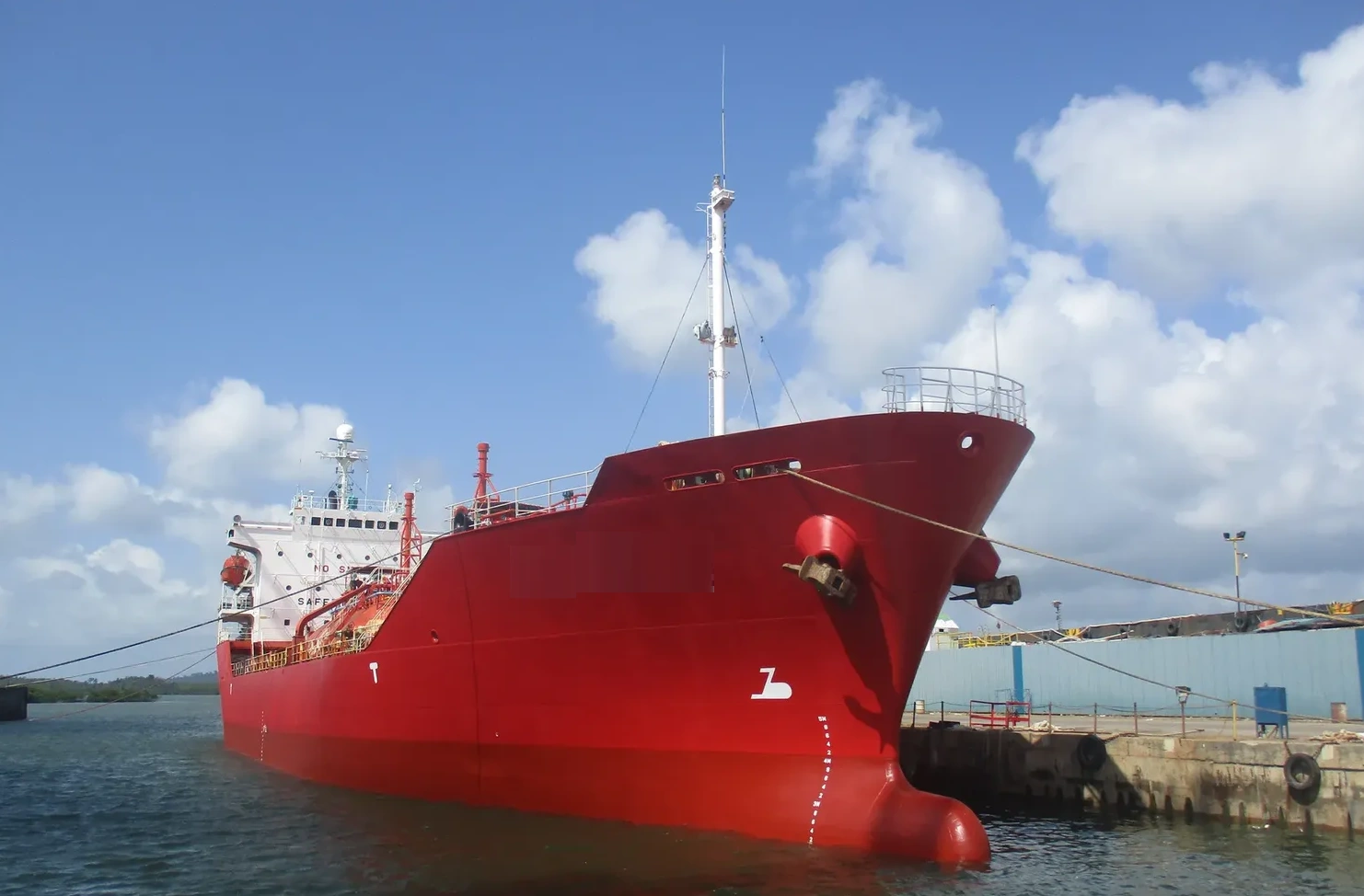
Location: Japan
Size: 2610DWT
Built Year: 1995
Price: $-
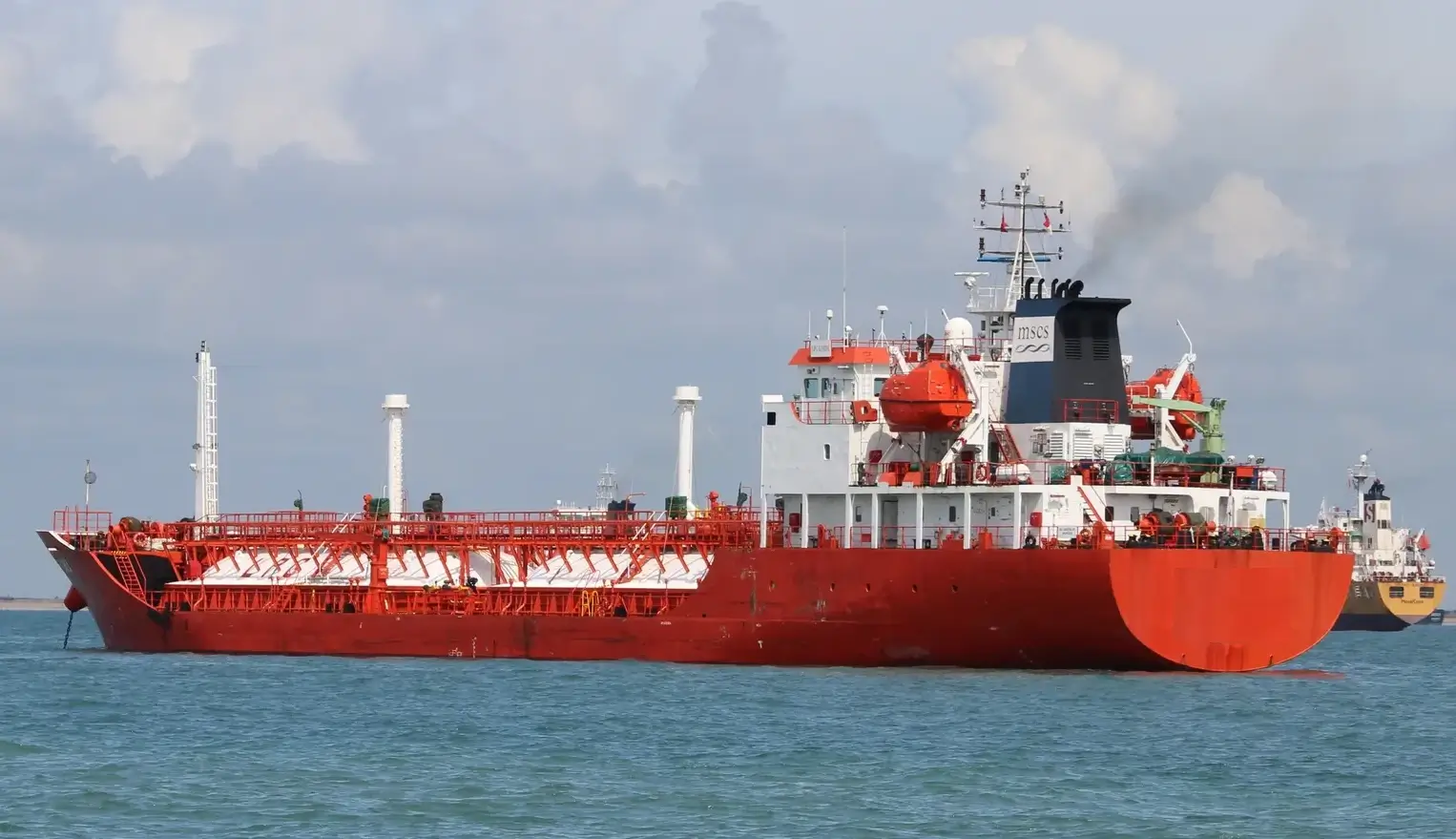
Location: China
Size: 2654DWT
Built Year: 2007
Price: $-
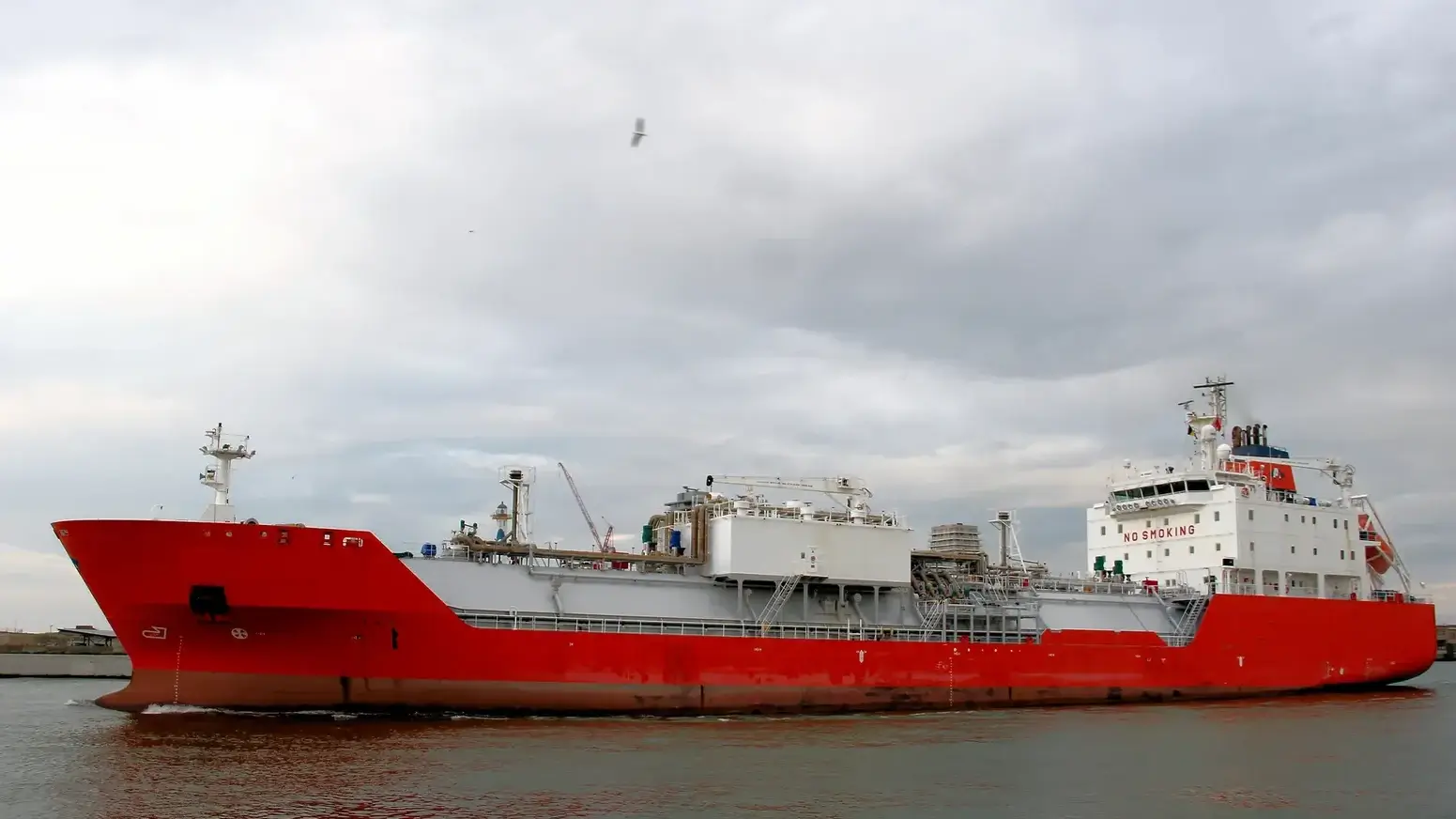
Location: PG Sharjah
Size: 8669DWT
Built Year: 2000
Price: $-
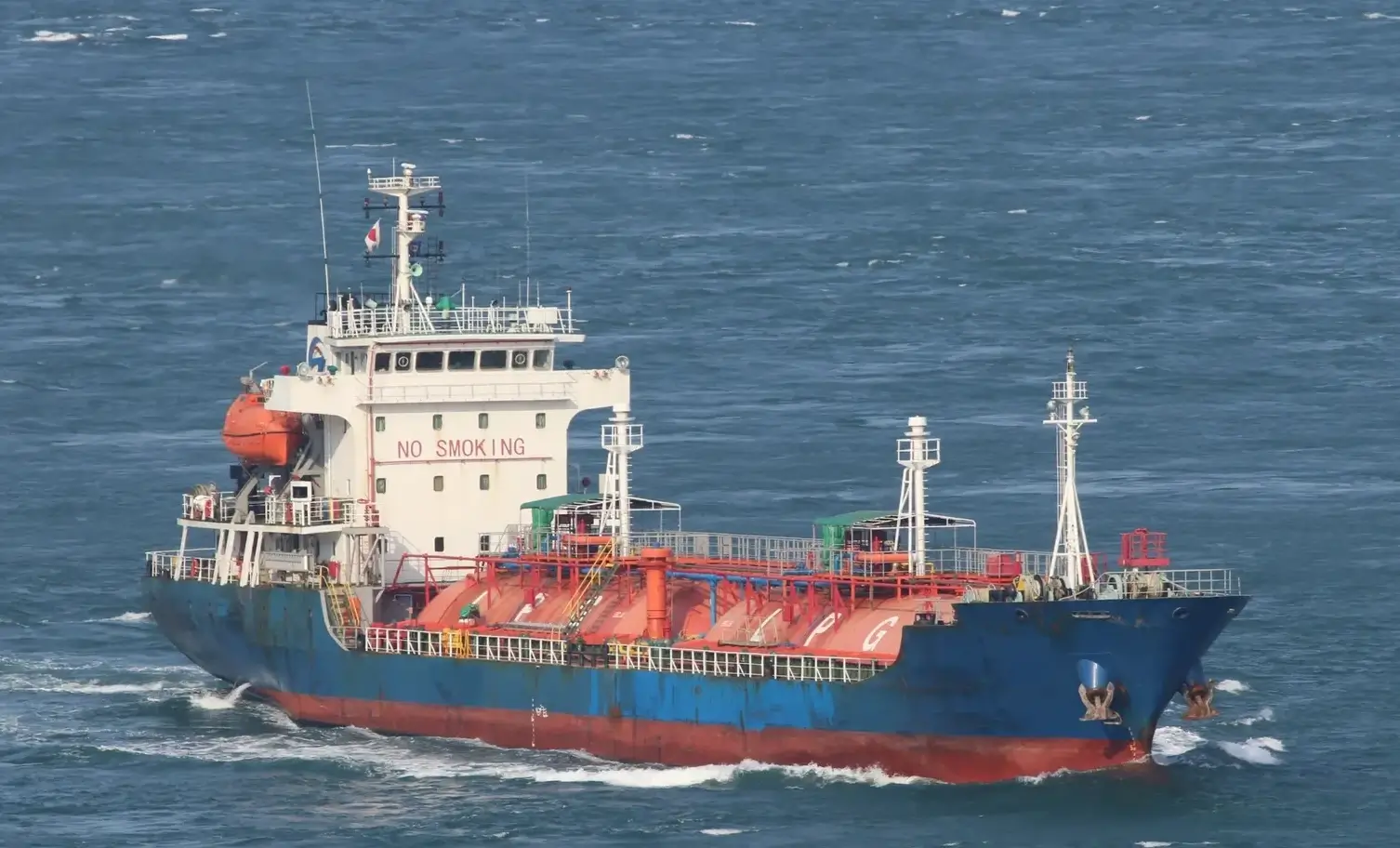
Location: -
Size: 2983DWT
Built Year: 2010
Price: $-
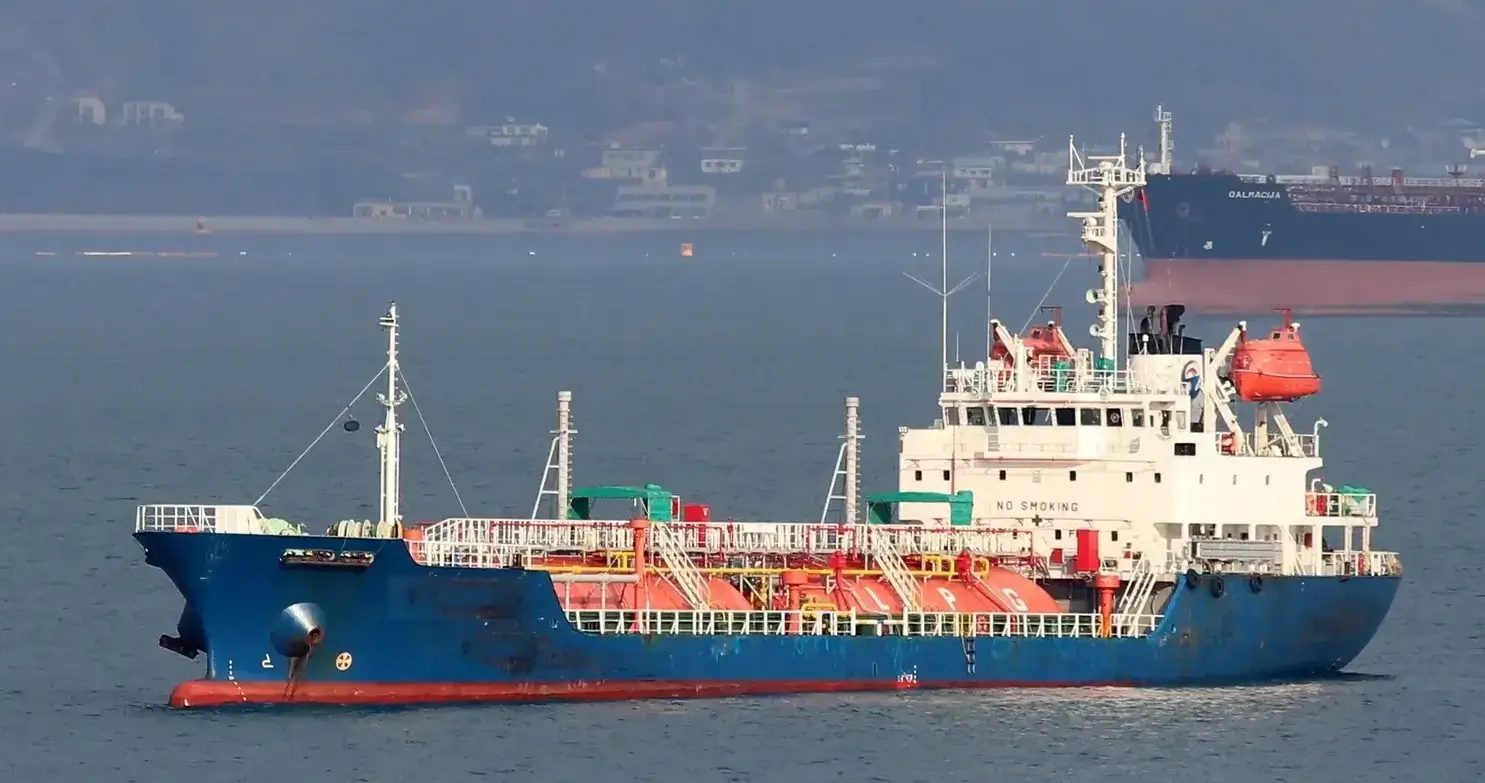
Location: KOREA-JAPAN-CHINA
Size: 2891DWT
Built Year: 1998
Price: $-
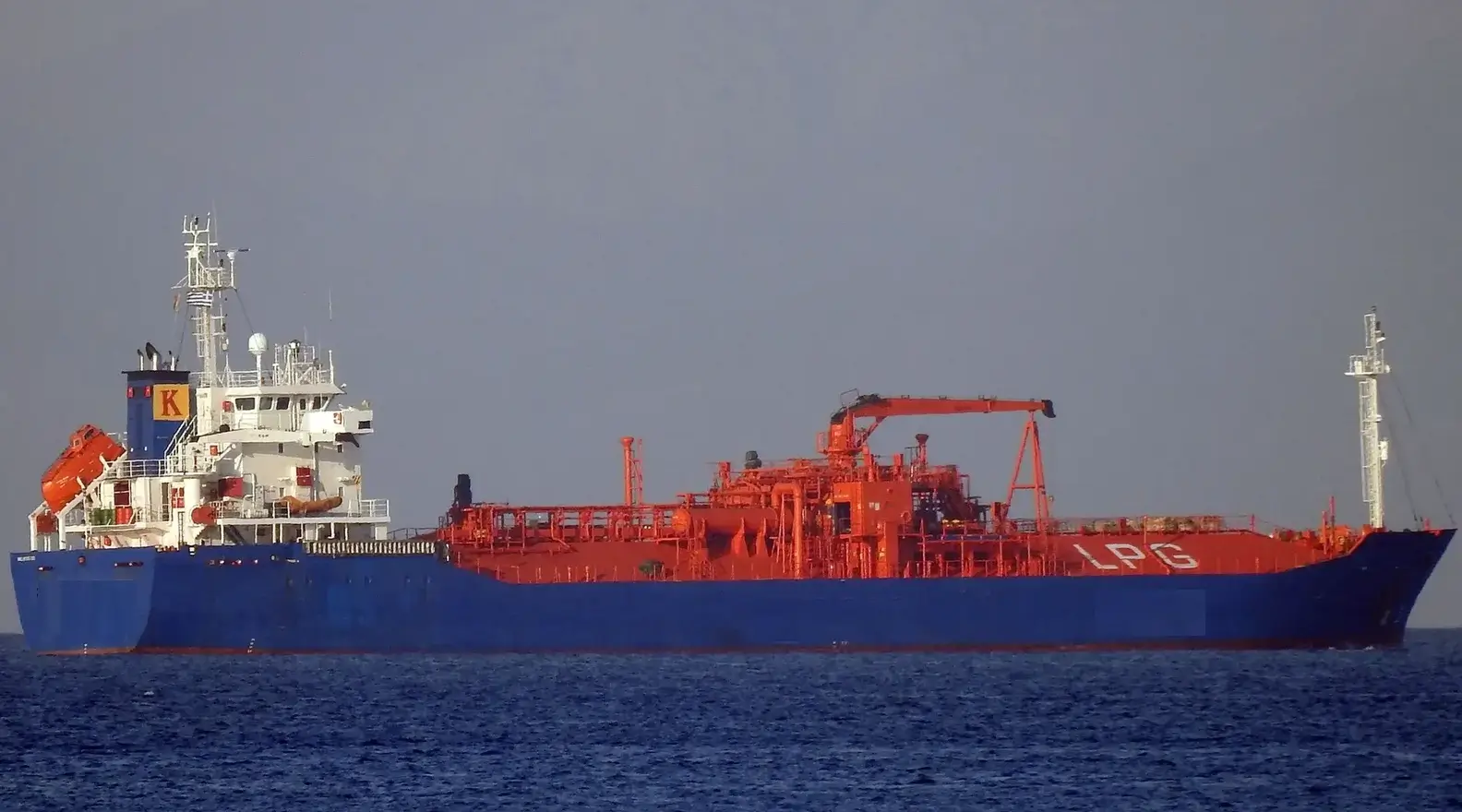
Location: E/Med
Size: 4197DWT
Built Year: 1999
Price: $-
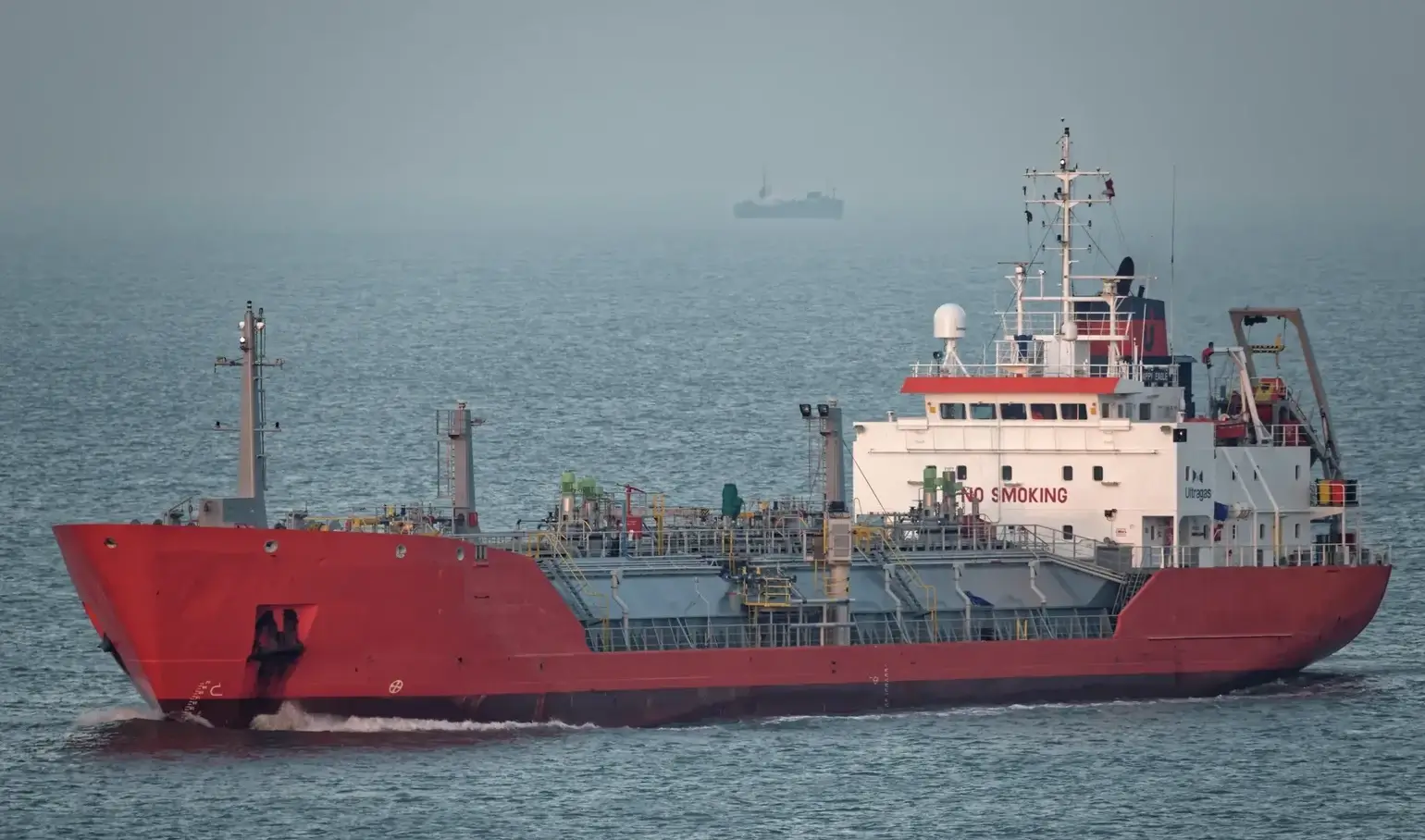
Location: MED – B.SEA.
Size: 4512DWT
Built Year: 1993
Price: $-
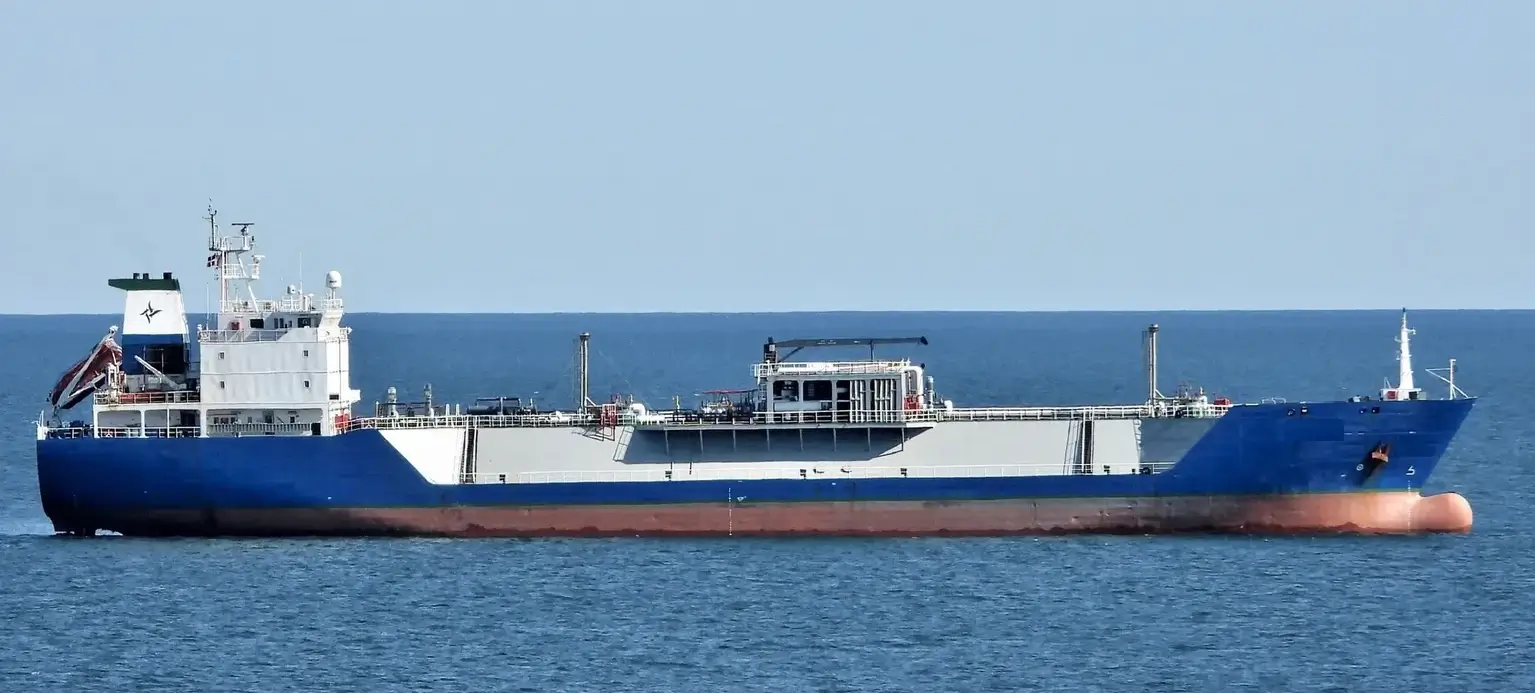
Location: Europe
Size: 9329DWT
Built Year: 2003
Price: $-
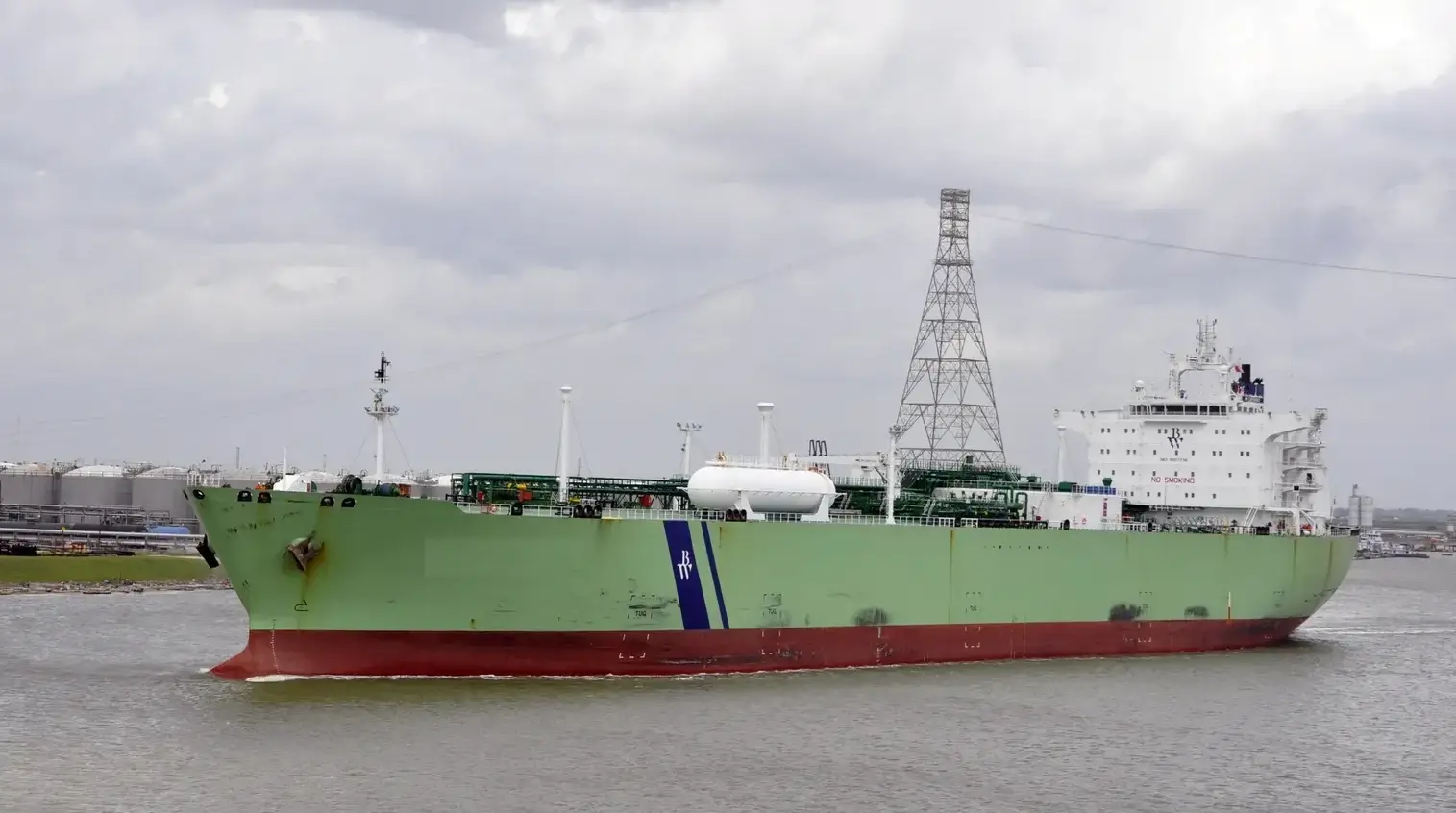
Location: -
Size: 54490DWT
Built Year: 2006
Price: $-
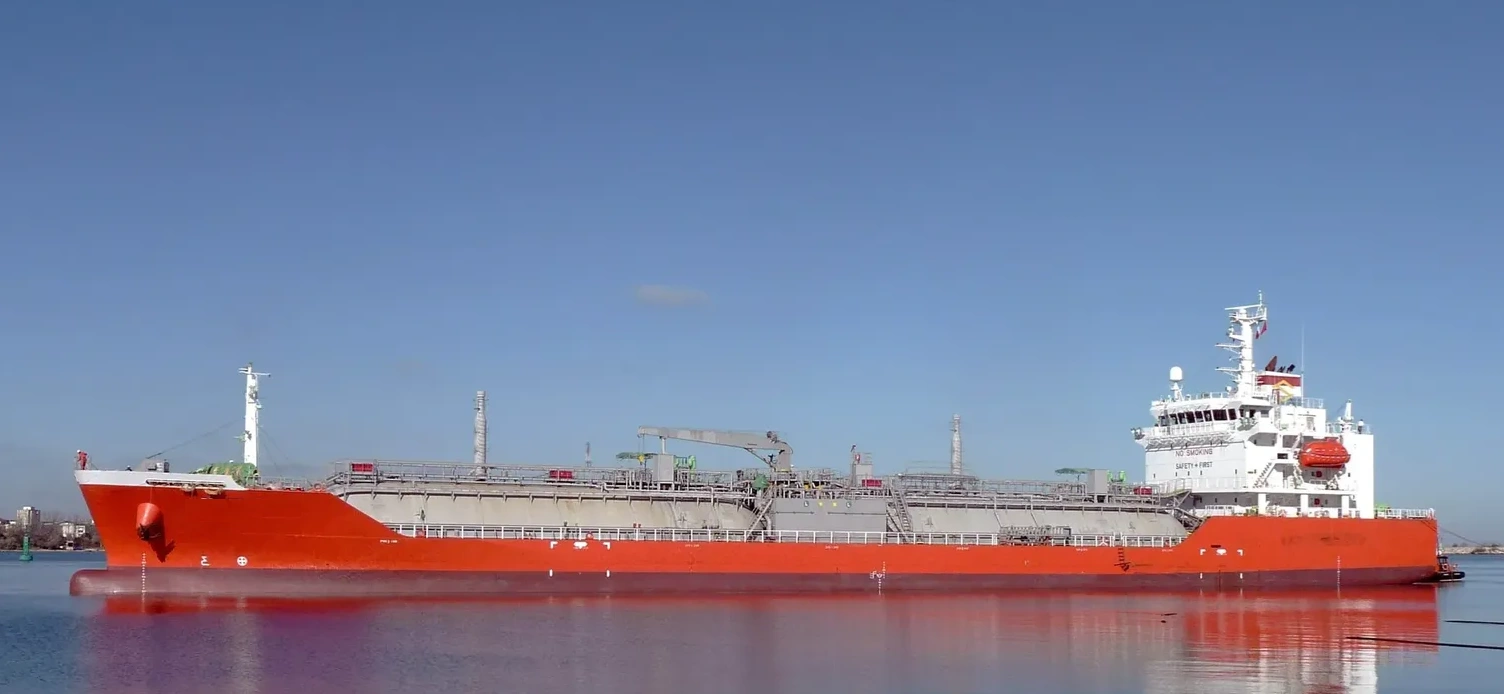
Location: Japan
Size: 9127DWT
Built Year: 2006
Price: $-
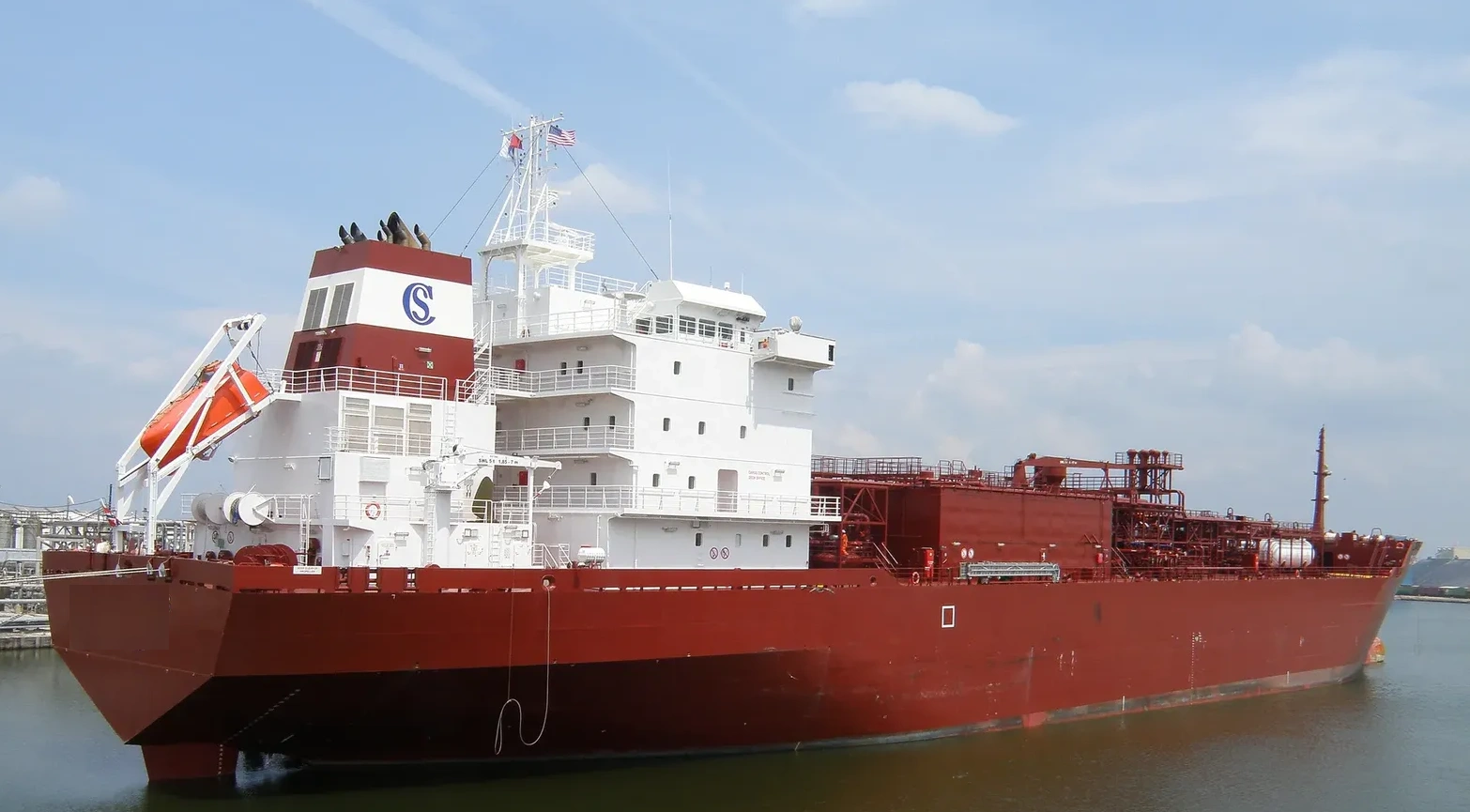
Location: Germany
Size: 18880DWT
Built Year: 2008
Price: $-
Looking for an LPG tanker ship for sale? We connect buyers and sellers with a wide range of LPG vessels for sale, from smaller coastal carriers to large ocean-going gas carriers, helping clients select the right vessel based on trading area, cargo capacity, age, class, and budget. Whether you are searching for an LPG vessel for sale, an LPG carrier for sale, or other specialized gas units, our team provides practical market knowledge and end-to-end brokerage support throughout the entire transaction process.
The LPG shipping market continues to attract strong global interest because liquefied petroleum gas plays a key role in industrial, commercial, and domestic energy supply chains. Buyers looking for an LPG ship for sale typically focus on reliability, class compliance, operational efficiency, and suitability for specific trading routes. Selecting the right vessel is not only about price — it is about long-term performance, safety standards, and commercial viability.
The global LPG shipping sector includes a diverse fleet of pressurized, semi-refrigerated, and fully refrigerated gas carriers. Each vessel type is designed for specific cargo temperatures, pressure systems, and trading patterns. The market continues to evolve with modern designs, improved fuel efficiency, and increasing demand driven by global energy consumption and petrochemical expansion.
For buyers, this means opportunities exist across multiple segments, but careful evaluation is essential. A vessel suitable for short-sea regional trade may not be efficient for long-haul international voyages. Similarly, lower purchase prices must always be assessed alongside survey status, maintenance requirements, and potential class-related expenses.
We provide brokerage support across a wide range of gas and tanker vessels, ensuring clients can access multiple options depending on their operational and investment needs.
This broad market coverage allows buyers and sellers to compare multiple vessel categories and identify the most suitable commercial option based on trade requirements, cargo type, and investment strategy.
The global LPG fleet is continuously changing as new vessels enter service, older ships are sold or scrapped, and market demand shifts. Instead of a fixed number, the LPG carrier market is better understood through fleet segmentation, vessel size categories, and cargo-handling capabilities.
Industry reports confirm that the LPG shipping sector remains active and globally distributed, supported by international trade flows and ongoing fleet modernization. However, the key factor for buyers is not total fleet size — it is finding the right vessel within the right segment that matches operational requirements, flag preferences, and commercial goals.
The LPG shipping industry continues to show strong long-term potential due to consistent global demand for liquefied petroleum gas. LPG is widely used for residential energy, industrial fuel, petrochemical production, and regional distribution networks, ensuring steady maritime transport requirements.
For investors and shipowners, LPG vessels can offer attractive returns when acquired strategically. The most successful investments typically come from selecting vessels that are fuel-efficient, compliant with current regulations, and well-suited to active trade routes. Market timing and vessel condition play a critical role in overall profitability.
These vessels are designed for smaller cargo volumes and shorter trade routes. They are simpler in design and often represent a cost-effective entry point into the LPG shipping market.
Semi-refrigerated carriers offer flexibility between pressurized and fully refrigerated systems. They are widely used in regional and mid-range international trades due to their operational adaptability.
Fully refrigerated LPG vessels are designed for large-scale transportation over long distances. They are commonly used in major international trade routes where cargo volume and efficiency are key priorities.
Specialized gas carriers, including ethylene vessels, are designed for specific chemical cargoes. These ships offer flexibility for operators handling multiple gas products and complex trade requirements.
Buying an LPG ship for sale should be approached as a structured transaction, not a quick purchase. A disciplined process helps avoid costly mistakes and ensures the vessel fits your real operational needs.
Define your trade requirement. Decide whether you need a pressurized, semi-refrigerated, or fully refrigerated unit. Set a budget that includes purchase price, inspection costs, class work, and delivery expenses. Review the vessel’s technical details, class status, survey history, and trading suitability. Arrange inspection and independent verification where possible. Negotiate commercial terms and sale conditions. Complete legal, technical, and payment documentation. Plan delivery, reflagging, and operational onboarding.
This process is especially important in gas shipping because cargo systems, compliance status, and trading restrictions can significantly affect real operating value.
When buying an LPG tanker ship for sale, buyers should pay close attention to several practical issues. First, check the vessel’s age, class records, and survey status, because these factors influence both resale value and near-term operating costs. Second, review cargo system specifications carefully, including tank type, cargo handling capability, and compatibility with your intended trade.
A low asking price can be misleading if the vessel needs immediate investment after delivery. In many cases, a slightly higher-priced ship with a clean survey record and better technical condition delivers stronger long-term value.
Our experience in the shipping market allows us to guide clients with a practical and commercially focused approach. We help buyers identify suitable LPG vessels for sale, compare available options, and understand the real strengths and weaknesses of each candidate before moving forward. This saves time, reduces risk, and improves decision-making.
We also support sellers by positioning their vessels correctly in the market, reaching serious buyers, and managing negotiations with clarity and professionalism. Because we deal in LPG and multiple other vessel categories, clients benefit from broader market exposure rather than a narrow search. That broader reach is often the difference between a slow transaction and a successful one.
In addition to LPG units, we also deal in other vessel types depending on market demand and client requirements. This includes a broad range of commercial shipping assets such as tankers, gas carriers, bulk carriers, general cargo vessels, offshore units, and other specialized ships.
This wider scope matters because many buyers are evaluating their fleet strategy, not just one transaction. A client searching for an LPG for sale opportunity may also want to compare it against alternative vessel categories before committing capital. We help make that comparison easier by offering insight across several ship segments.
The best vessel depends on your intended trade, cargo volume, and budget. A regional operator may prefer a pressurized or semi-refrigerated vessel, while a long-haul trader may need a fully refrigerated carrier.
They can be, especially when purchased with the right technical condition and market timing. The LPG shipping market continues to benefit from global energy demand and fleet renewal trends.
Buyers usually review class records, survey reports, ownership documents, technical specifications, and sale contract terms. Additional legal and flag-related documents may also be required.
Yes. We deal in multiple vessel categories, not only LPG-related ships, so clients can explore broader options based on their needs.
Suitability depends on cargo system, vessel size, trading area, regulatory status, and operating costs. A proper review of technical and commercial factors is essential before purchase.
If you are searching for an LPG tanker ship for sale, an LPG vessel for sale, or other LPG units, the key is to focus on suitability rather than price alone. The right vessel should match your route, cargo profile, class expectations, and long-term operating plan. With the right guidance, buyers can identify opportunities that are commercially sound and technically reliable.
Our team is ready to support your search with market knowledge, transaction experience, and access to a wider range of vessel opportunities. From LPG carriers to other ship types, we aim to help clients make confident decisions in a competitive market.