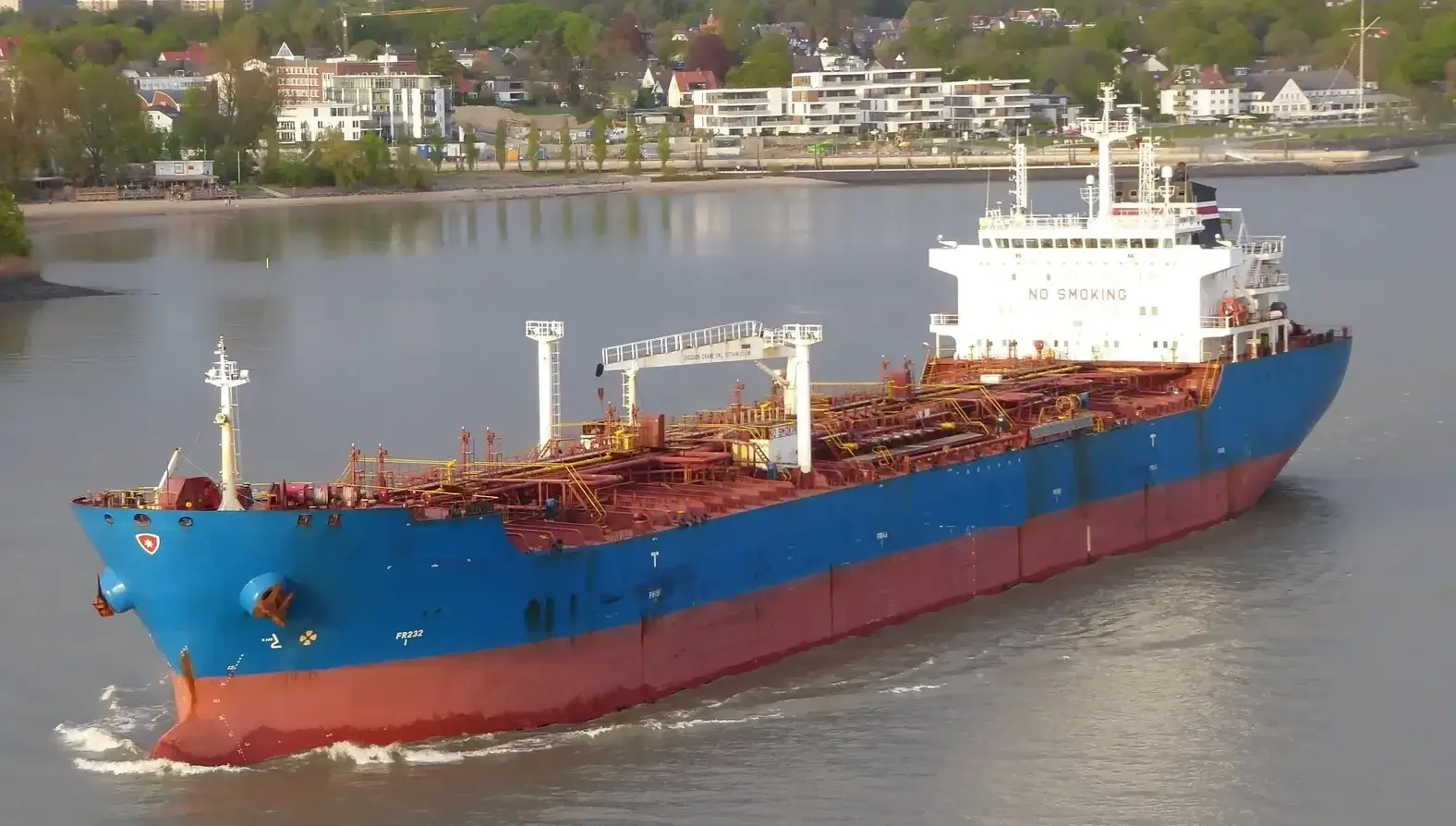
Location: -
Size: 38374DWT
Built Year: 2008
Price: $-
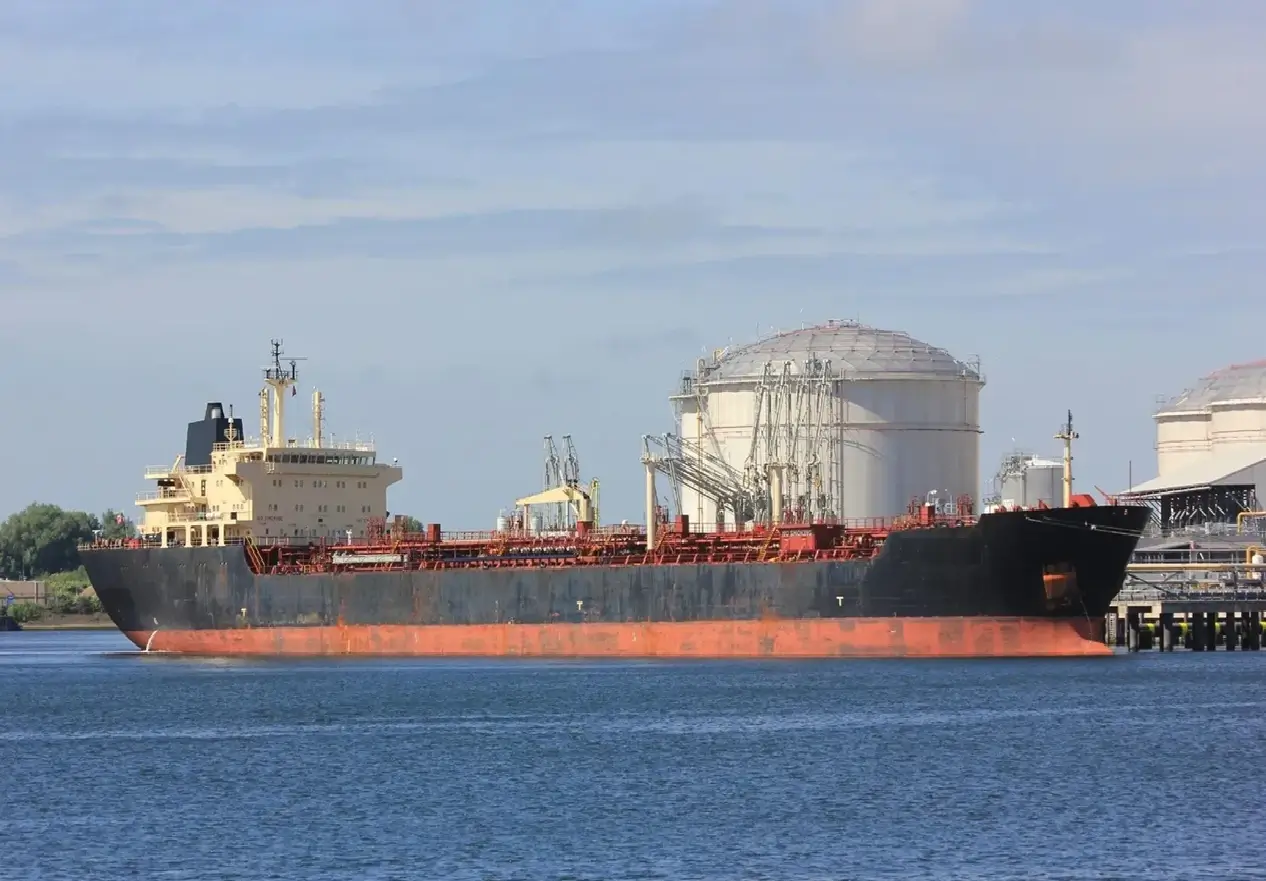
Location: DPP
Size: 34530DWT
Built Year: 2003
Price: $-
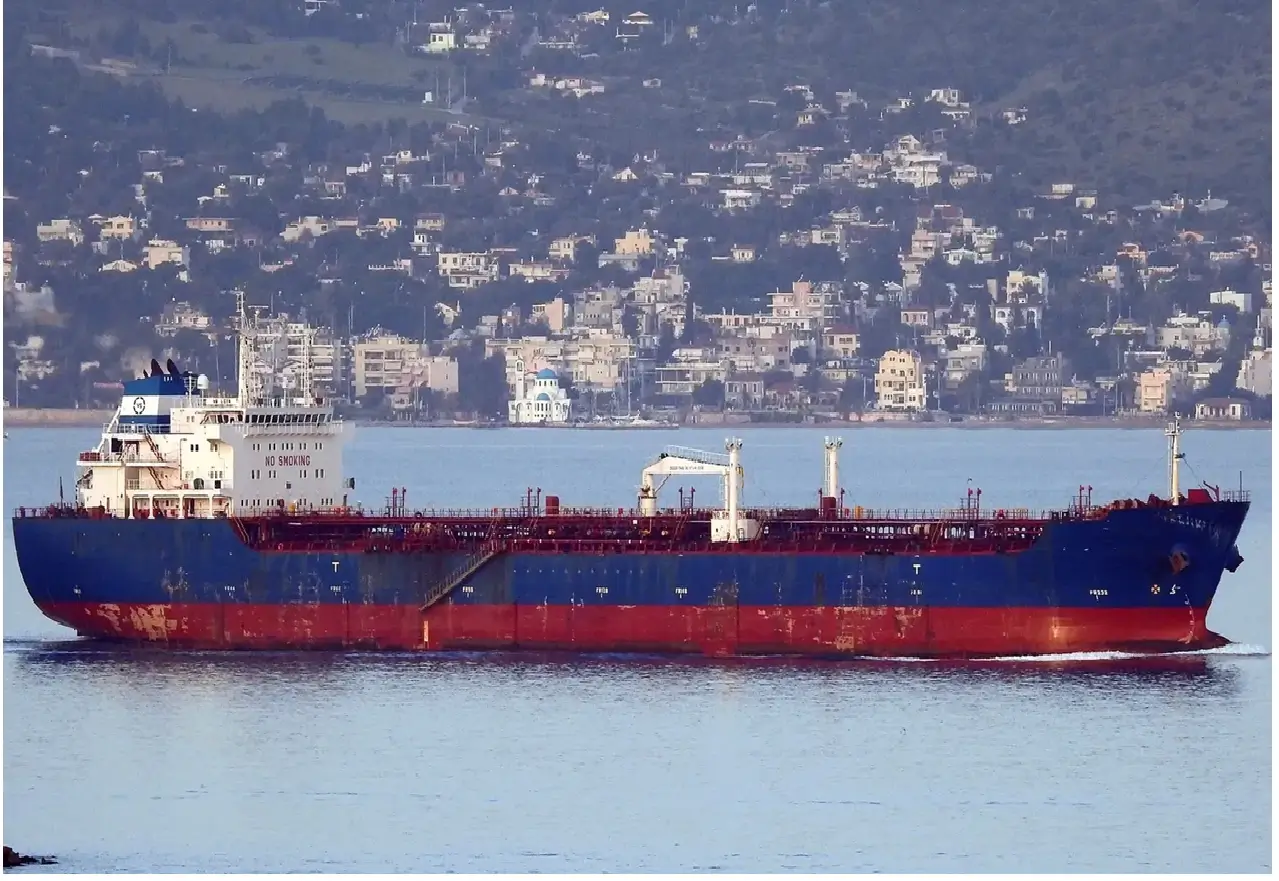
Location: CPP
Size: 38461DWT
Built Year: 2006
Price: $-
The global maritime industry plays a vital role in energy transportation, and crude oil ships remain one of the most important assets in international trade. A crude oil ship for sale or crude oil vessel for sale represents a high-value investment opportunity for ship owners, trading companies, and energy logistics operators. These vessels are designed to transport large volumes of unrefined petroleum across oceans safely, efficiently, and in compliance with international maritime standards.
The world fleet of crude oil tankers is estimated to include several thousand active vessels ranging from small coastal tankers to ultra-large crude carriers (ULCCs). The major categories include MR tankers (Medium Range), LR1 and LR2 (Long Range), Aframax, Suezmax, and VLCC (Very Large Crude Carriers). VLCCs alone can carry around 2 million barrels of crude oil in a single voyage. The global demand for crude oil transport remains strong due to continuous energy consumption, refinery requirements, and international trade routes.
As of recent maritime industry estimates, there are approximately 5,000+ crude oil tankers operating globally, though the exact number changes due to new deliveries, scrapping, and conversions. The tanker market is closely tied to global oil production, geopolitical factors, and shipping demand cycles.
When searching for a crude oil vessel for sale, buyers will encounter multiple vessel types depending on cargo capacity and trading routes:
VLCC (Very Large Crude Carrier): Used for long-haul intercontinental crude transport, especially Middle East to Asia and Europe routes.
Suezmax Tankers: Ideal for passing through the Suez Canal, carrying up to ~1 million barrels.
Aframax Tankers: Flexible mid-size vessels commonly used in regional trade.
LR1 & LR2 Tankers: Long-range product and crude transportation vessels.
MR Tankers: Smaller vessels used for coastal and short-sea shipping operations.
The crude oil shipping industry remains one of the most profitable sectors in maritime trade due to global dependency on oil. Even with increasing renewable energy adoption, crude oil demand continues to stay strong in transportation, aviation, manufacturing, and industrial sectors.
The profitability of crude oil tankers depends on freight rates, vessel size, charter agreements, and global oil demand cycles. During high-demand periods, tanker rates can increase significantly, making ownership or chartering highly attractive.
Purchasing a crude oil ship for sale involves a structured maritime transaction process:
1. Vessel Selection: Identify vessel type, age, capacity, and trading route suitability.
2. Initial Negotiation: Buyer and seller agree on price indication and terms.
3. Inspection (Survey): Marine surveyors inspect hull, machinery, cargo systems, and safety compliance.
4. Due Diligence: Review classification society records, maintenance history, and legal status.
5. Sale Agreement (MOA): Memorandum of Agreement signed between parties.
6. Payment & Transfer: Funds transferred via escrow or banking channels.
7. Delivery & Flag Registration: Vessel is delivered and re-registered under new ownership.
Buying a crude oil tanker requires careful evaluation due to high capital investment and strict regulations:
- Vessel age and maintenance condition
- Classification society approval (ABS, DNV, Lloyd’s Register, etc.)
- IMO regulations compliance (safety, pollution control)
- Charter market demand and earning potential
- Flag state registration and restrictions
- Environmental and sanctions compliance (very important in oil trade)
- Engine efficiency and fuel consumption (bunker cost impact)
Working with experienced ship brokers and maritime consultants provides significant advantages in the crude oil vessel market. Professional guidance helps buyers avoid risks, secure better pricing, and ensure legal compliance in international transactions.
Our experience in vessel sourcing allows clients to access verified listings, negotiate better deals, and complete transactions smoothly. We assist with technical evaluation, market comparison, inspection coordination, and documentation support.
In addition to crude oil ships for sale, we also deal in a wide range of commercial vessels including:
- Bulk Carriers (Handysize, Panamax, Capesize)
- Container Ships (Feeder to Ultra Large Container Vessels)
- LPG and LNG Gas Carriers
- Multi-Purpose Vessels (MPP)
- Offshore Support Vessels (AHTS, PSV)
- Product Tankers (Clean Petroleum Product carriers)
- General Cargo Ships
- Heavy Lift Vessels
Q1: What is the average price of a crude oil ship for sale?
Prices vary widely depending on size and age. Small tankers may start from a few million USD, while VLCCs can cost $60M–$120M+ depending on market conditions.
Q2: How long does it take to buy a crude oil vessel?
Typically 2–6 weeks depending on inspection, negotiation, and documentation.
Q3: Is it profitable to invest in crude oil tankers?
Yes, profitability depends on freight rates, charter agreements, and market cycles. Tanker demand often rises during supply disruptions and high oil demand periods.
Q4: What documents are required for purchase?
Bill of Sale, MOA, class certificates, registry documents, and inspection reports are commonly required.
Q5: Can foreign buyers purchase crude oil vessels?
Yes, international buyers can purchase vessels through brokers, subject to flag state regulations and compliance laws.
The market for crude oil ships for sale continues to remain a strong segment of global maritime trade. With proper due diligence, expert guidance, and strategic investment planning, buyers can benefit from long-term returns in the tanker shipping industry. Whether investing in VLCCs, Suezmax, Aframax, or smaller crude carriers, understanding the market structure is essential for success.