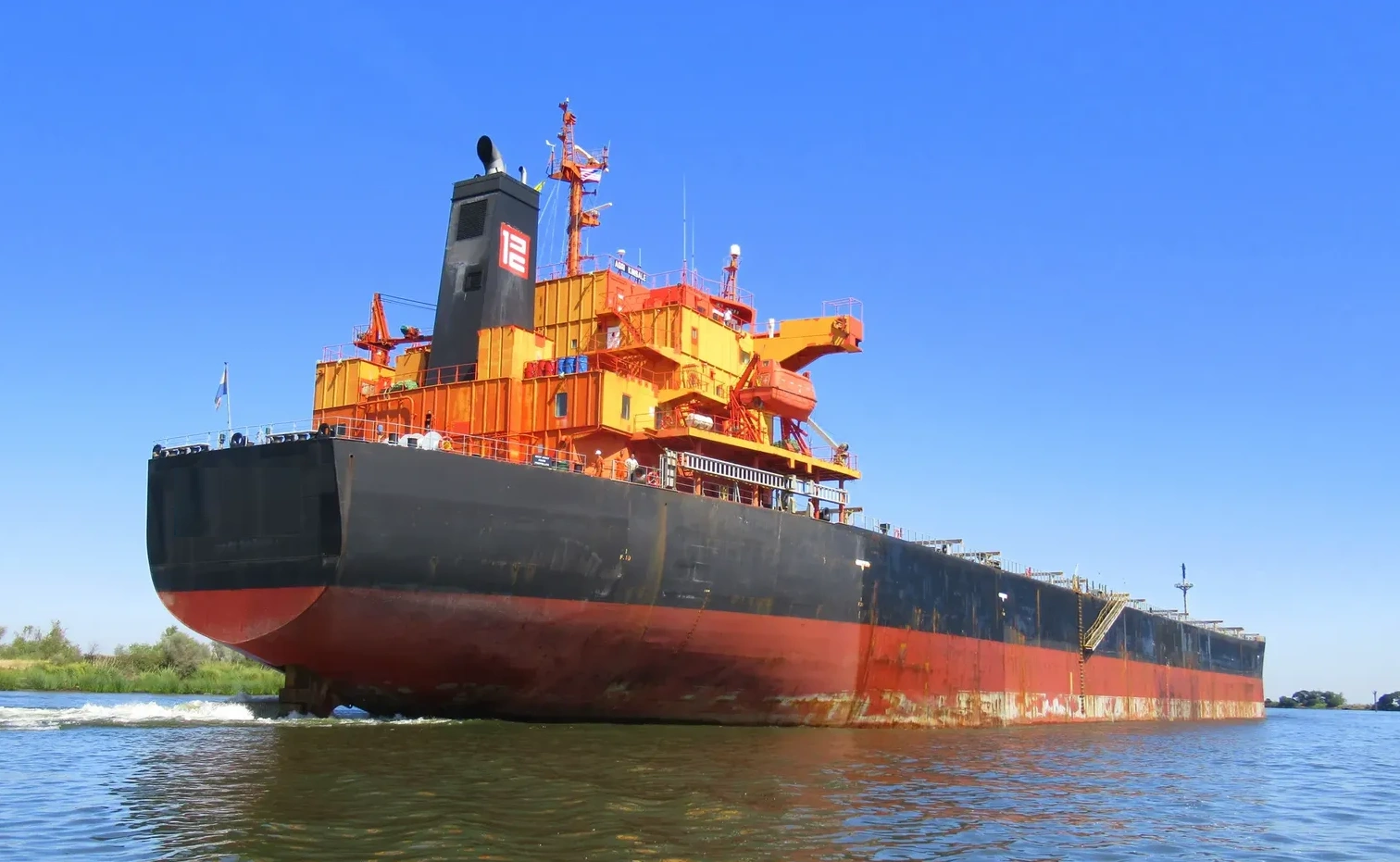
Location: -
Size: 77171DWT
Built Year: 2009
Price: $-
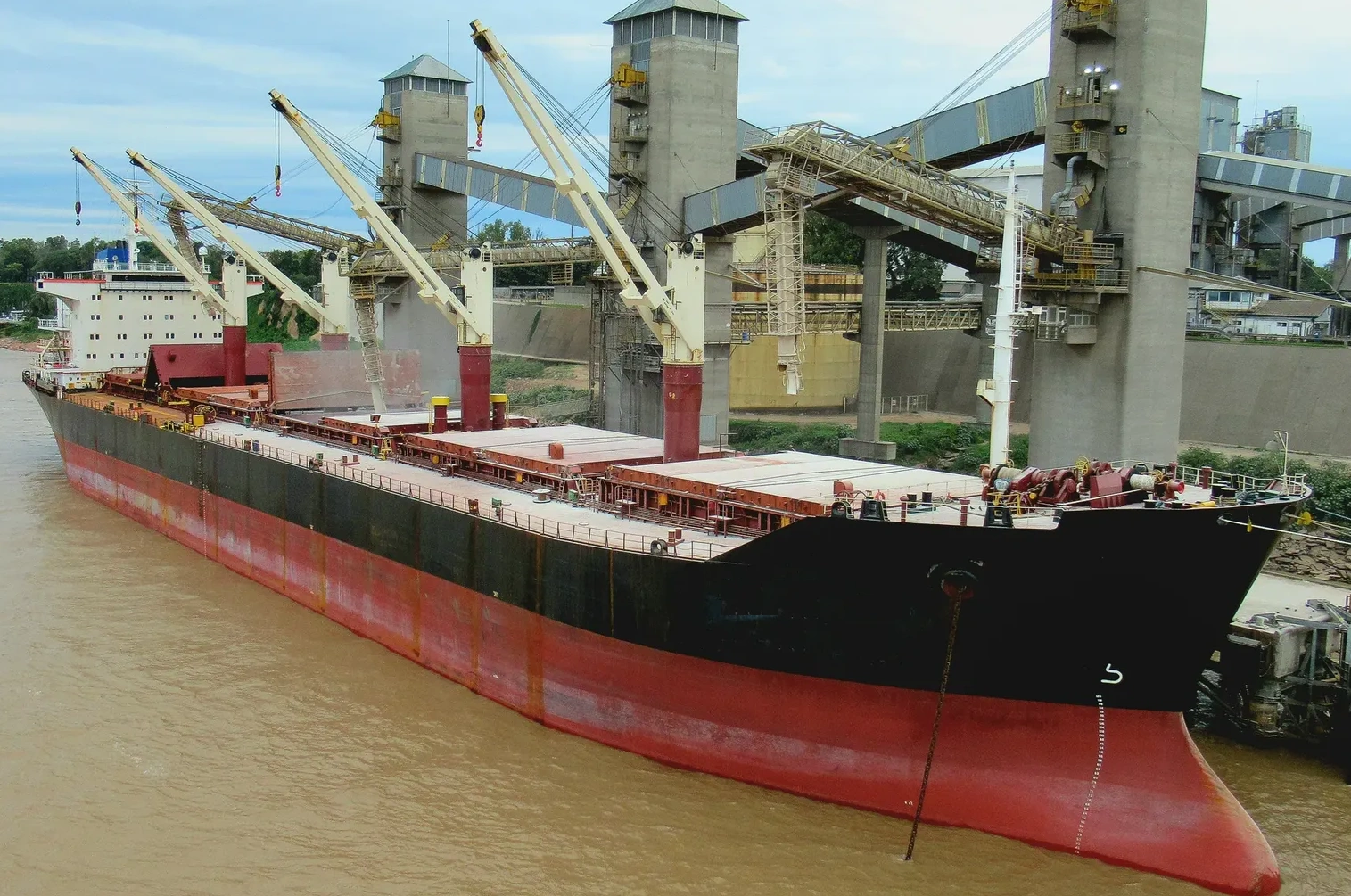
Location: Ho Chi Minh
Size: 41327DWT
Built Year: 2004
Price: $-
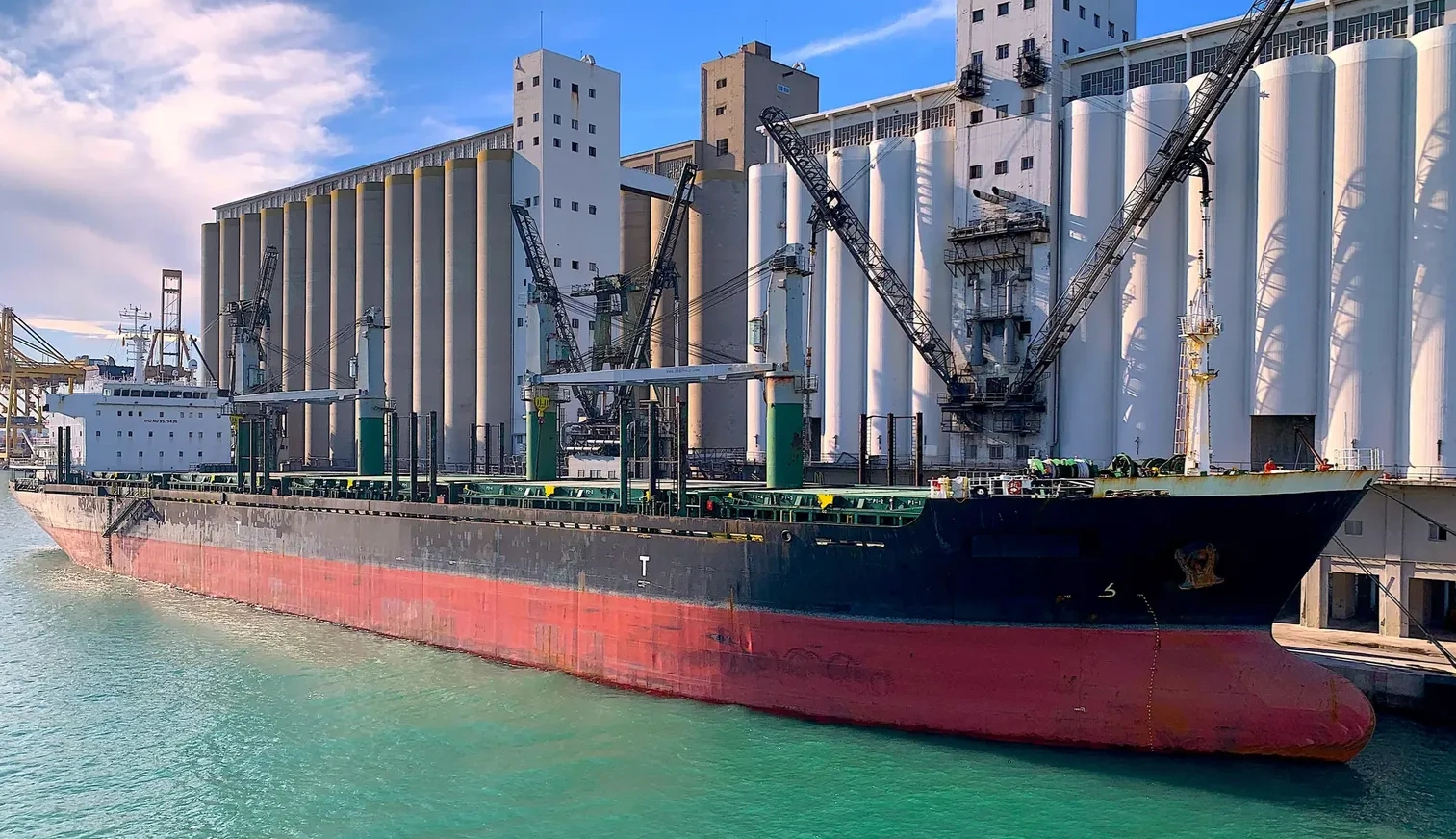
Location: Mongla, Bangladesh
Size: 32631DWT
Built Year: 2010
Price: $-
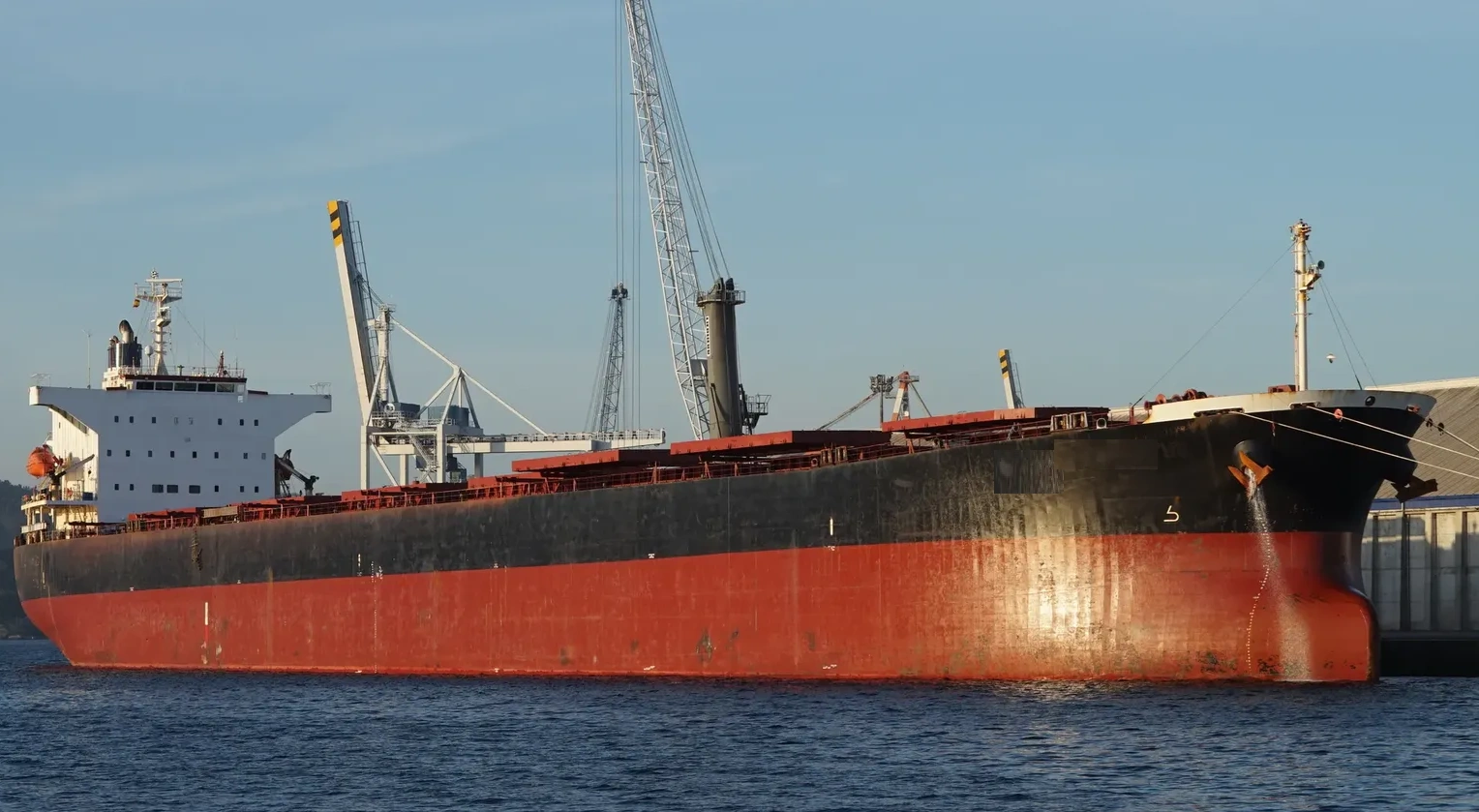
Location: Venice, Italy
Size: 76596DWT
Built Year: 2008
Price: $-
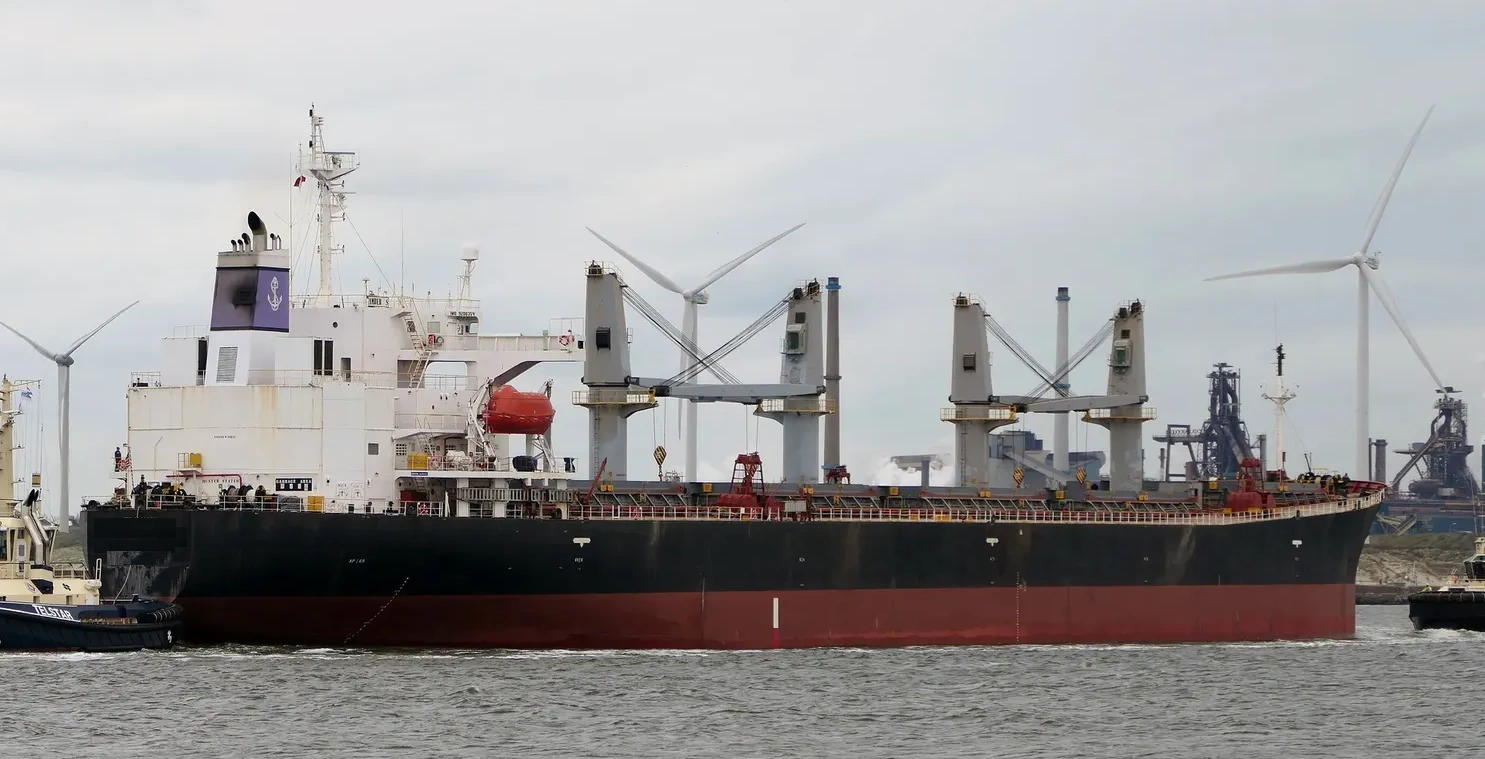
Location: Alexandria, Egypt
Size: 47282DWT
Built Year: 2000
Price: $-
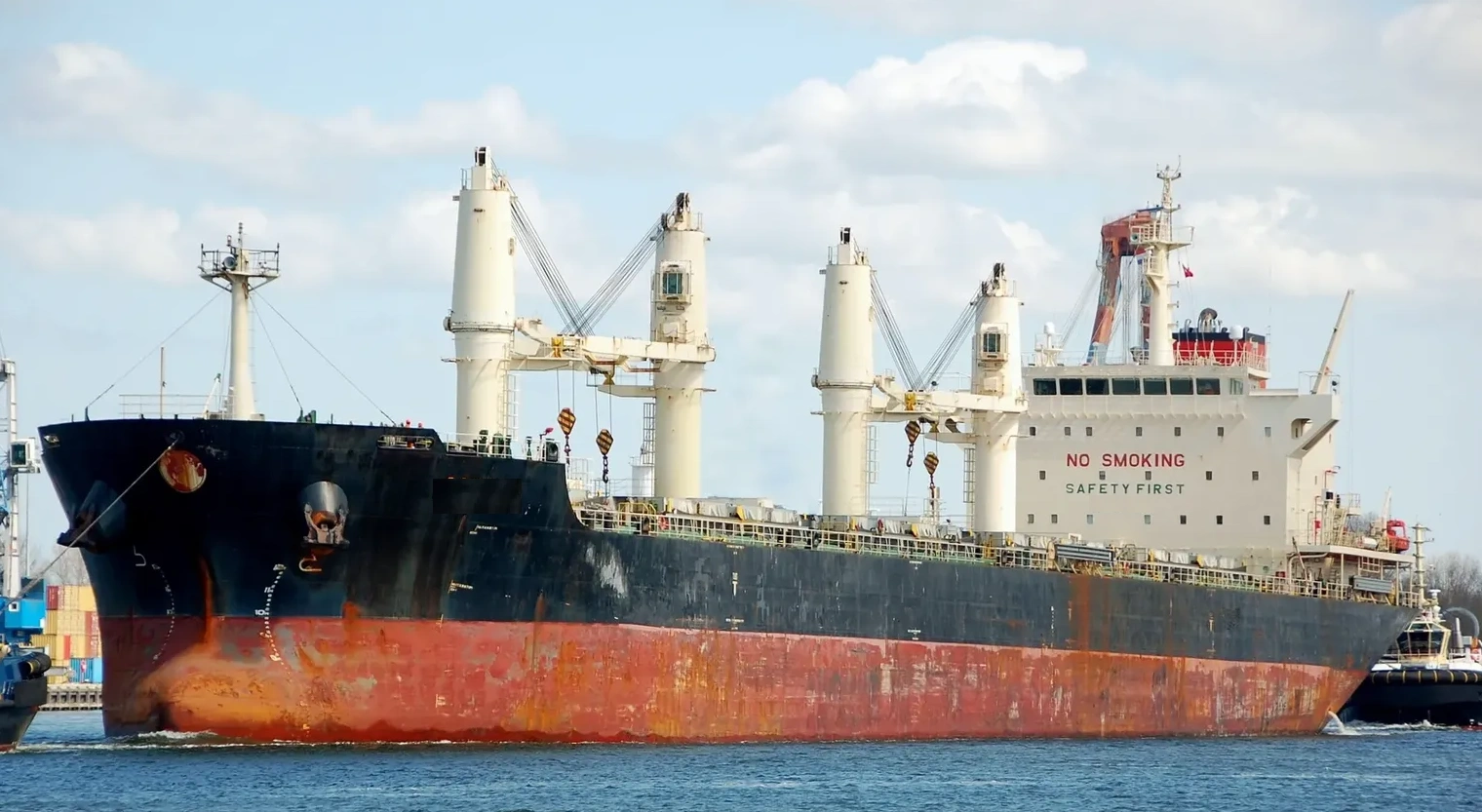
Location: Venezuela
Size: 29996DWT
Built Year: 2012
Price: $-
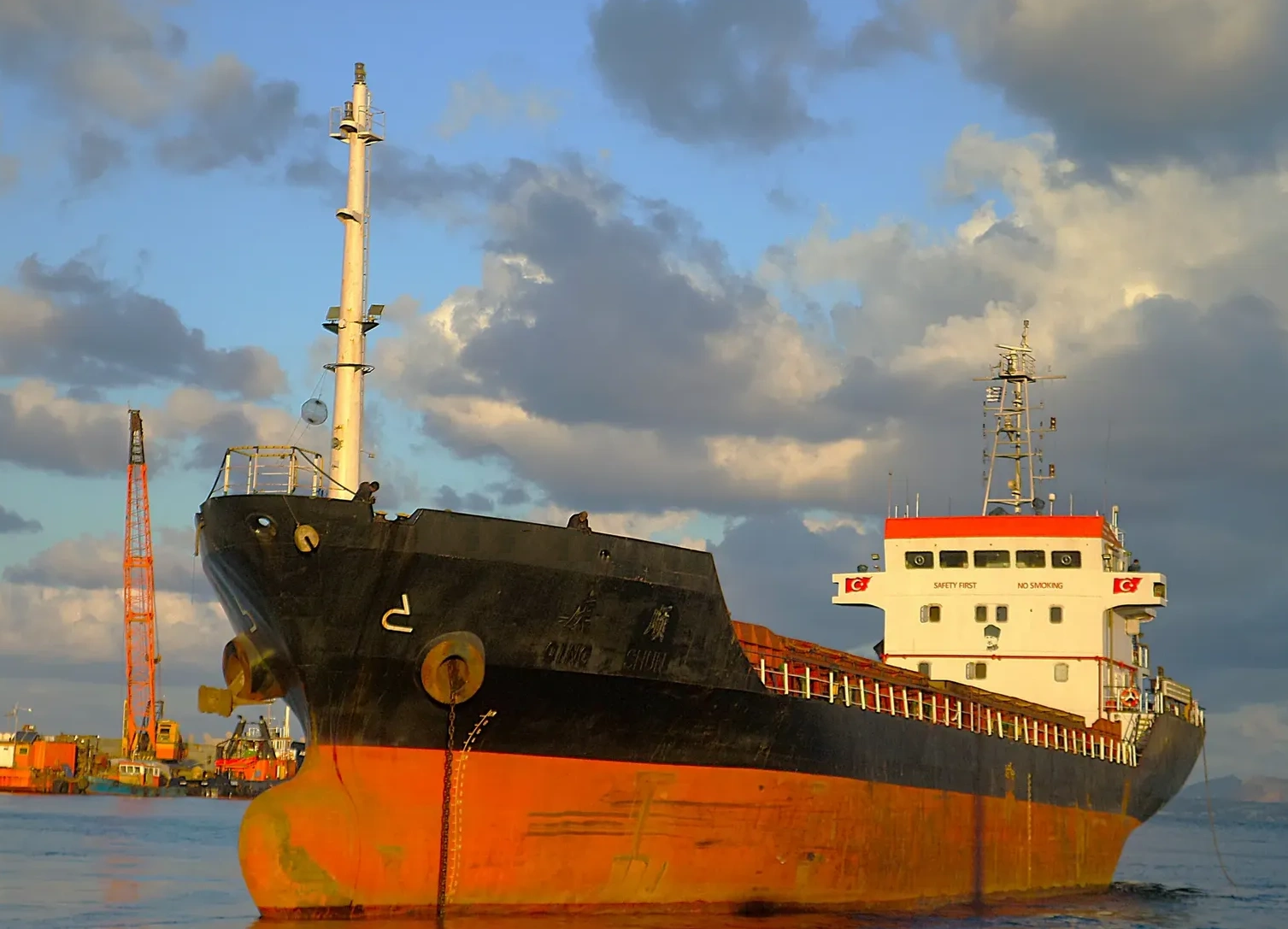
Location: -
Size: 2876DWT
Built Year: 2002
Price: $-
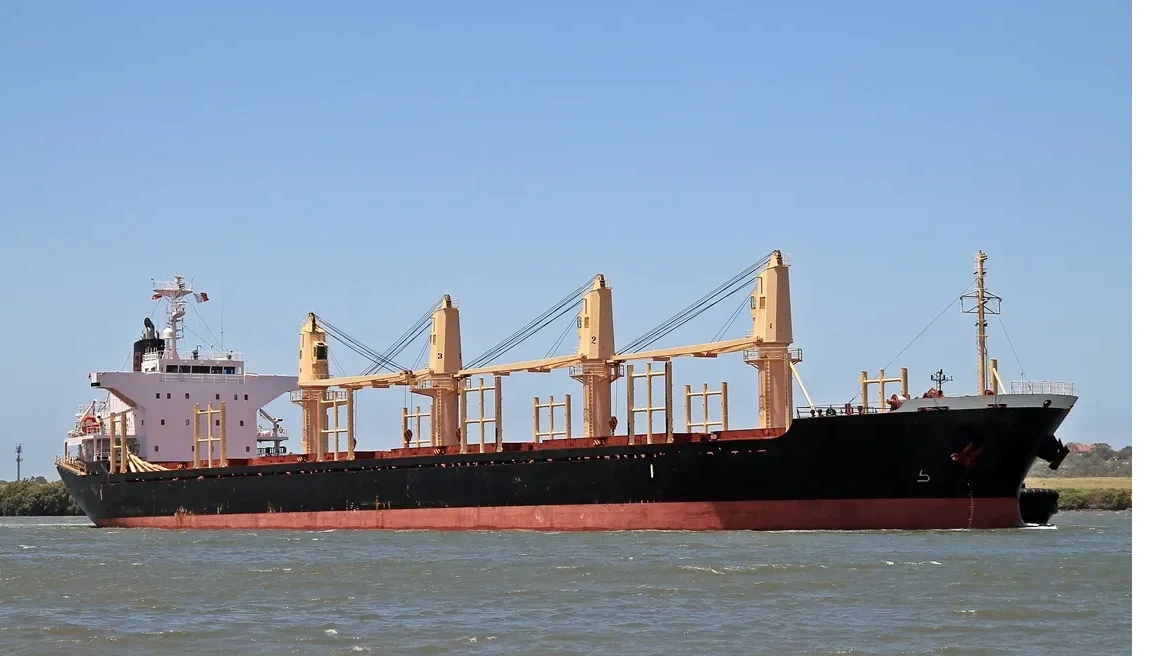
Location: Dar Es Salaam in Tanzania
Size: 28326DWT
Built Year: 2009
Price: $-
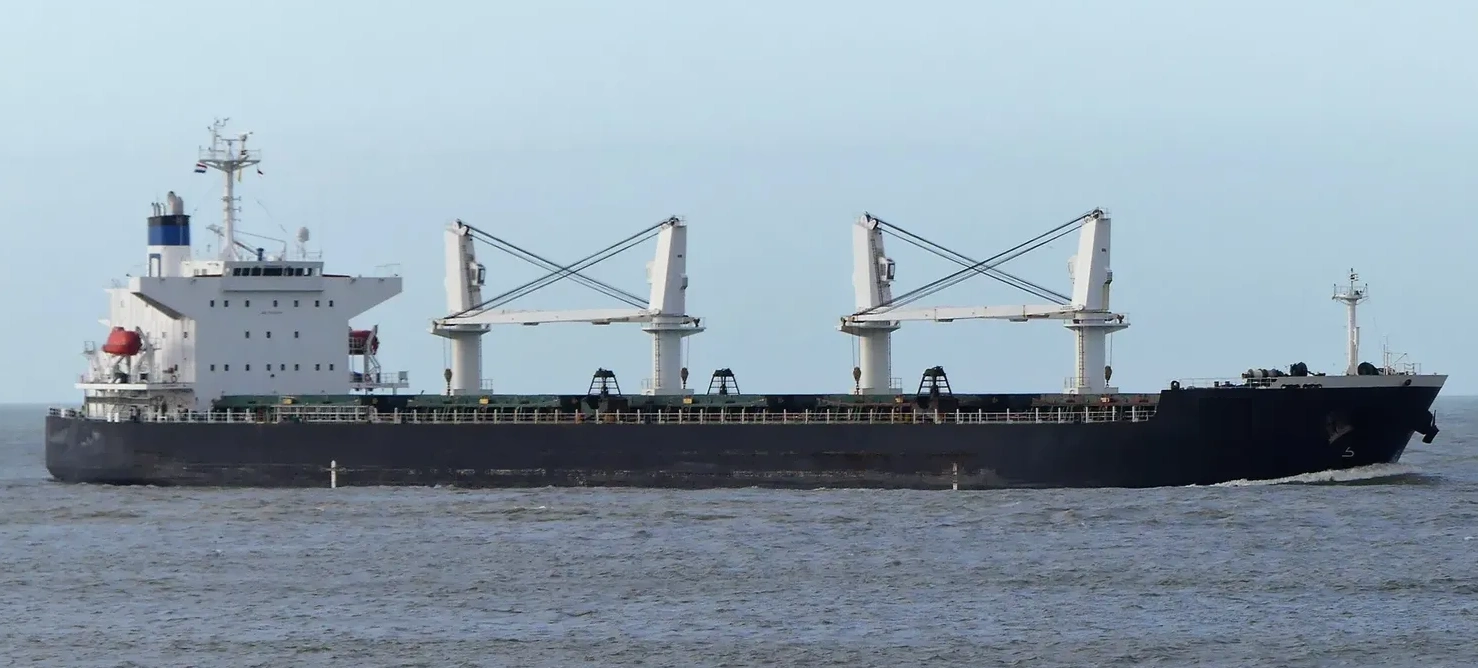
Location: Krishnapatnam (ECI) to China intention Tianjin Eta Krishnapatnam
Size: 55679DWT
Built Year: 2008
Price: $-
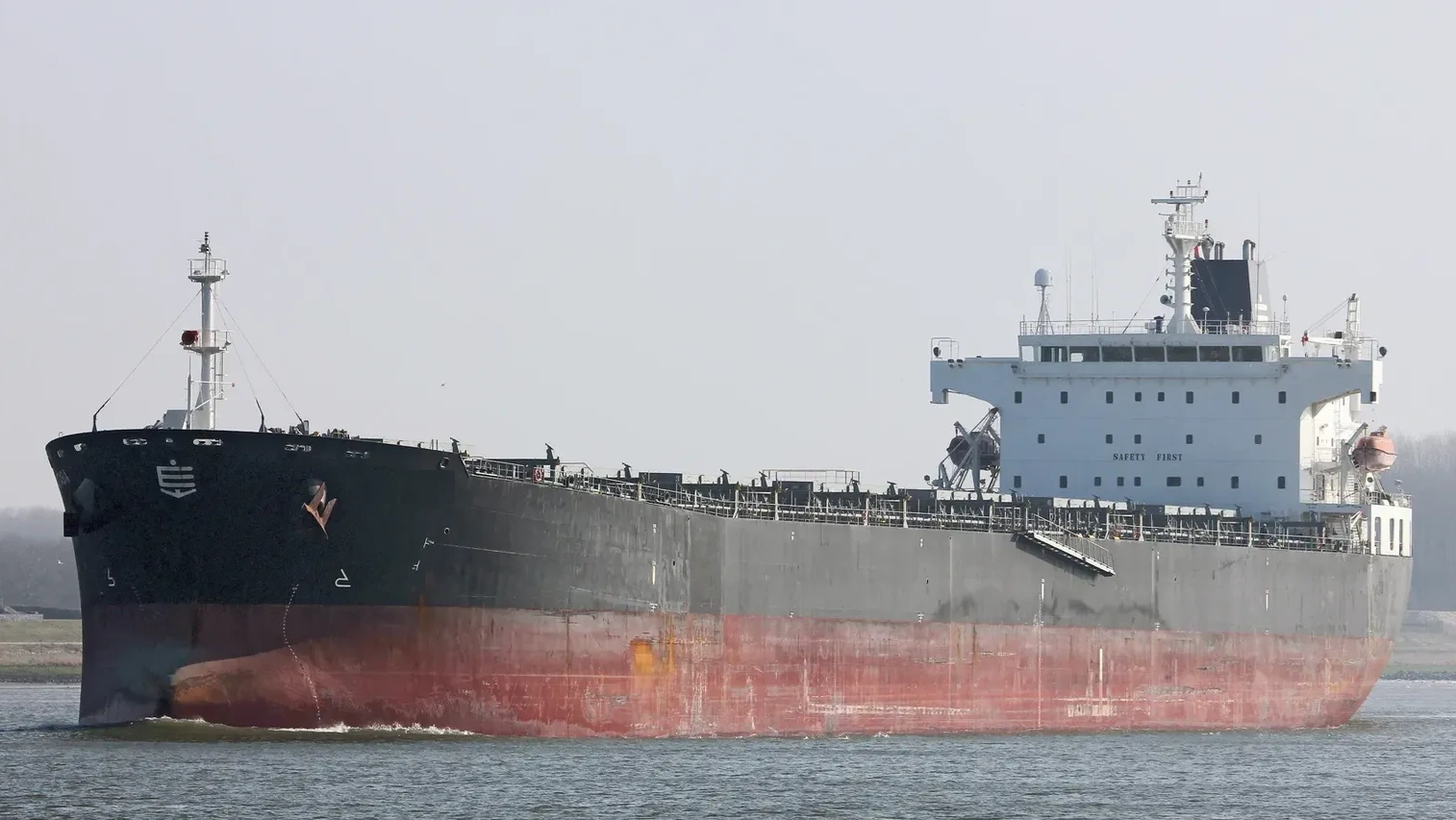
Location: -
Size: 75331DWT
Built Year: 2006
Price: $-
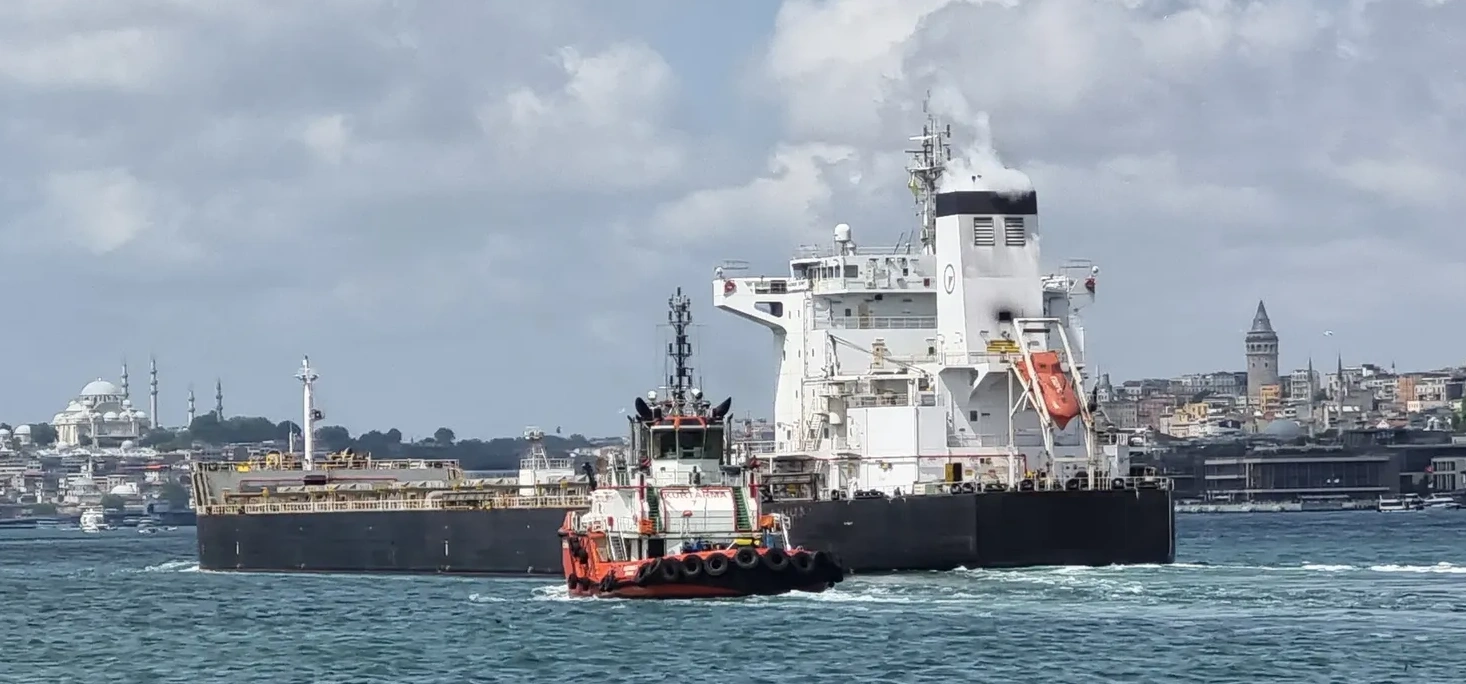
Location: Yangzhou, China
Size: 82740DWT
Built Year: 2012
Price: $-
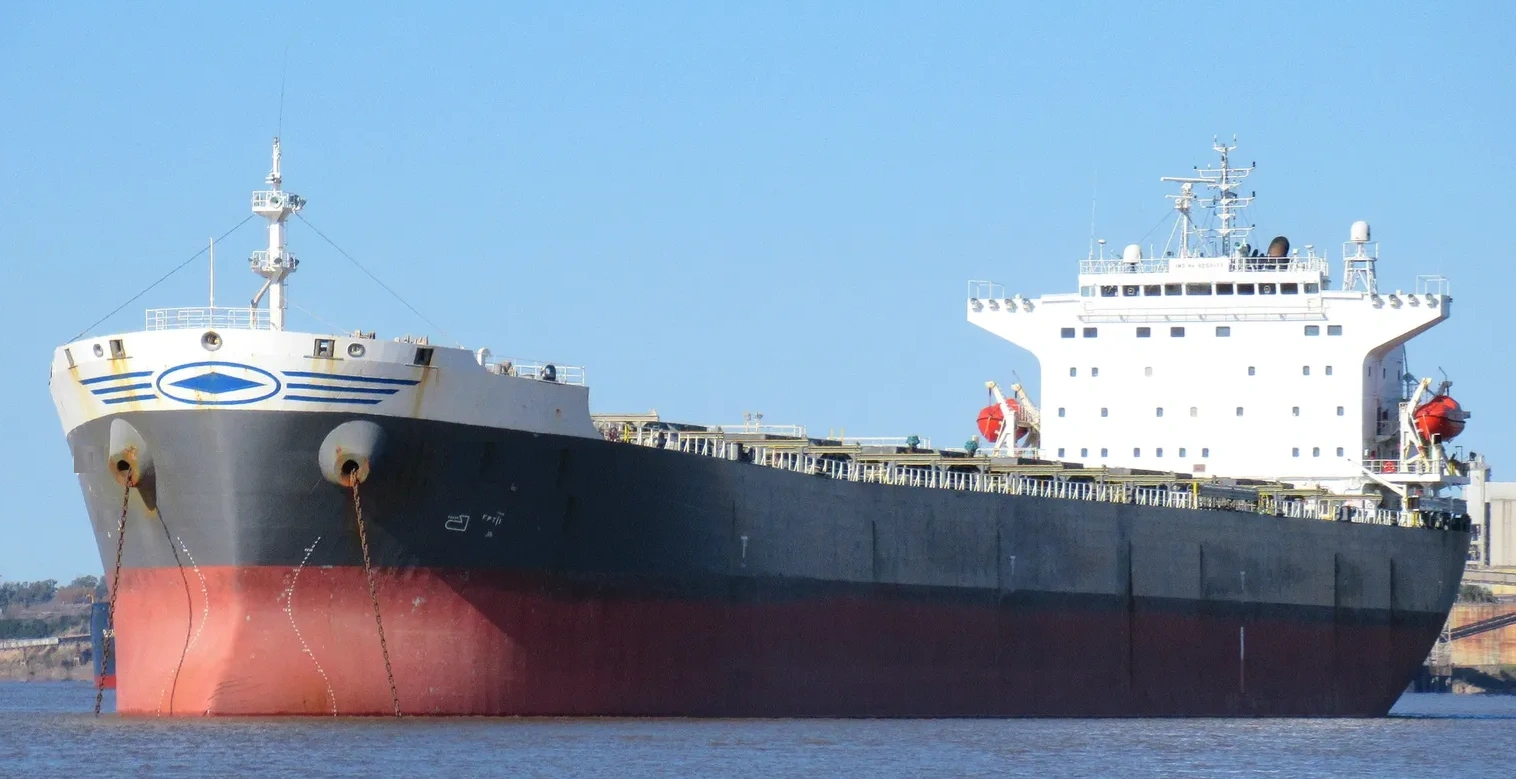
Location: Ningde
Size: 75007DWT
Built Year: 2001
Price: $-
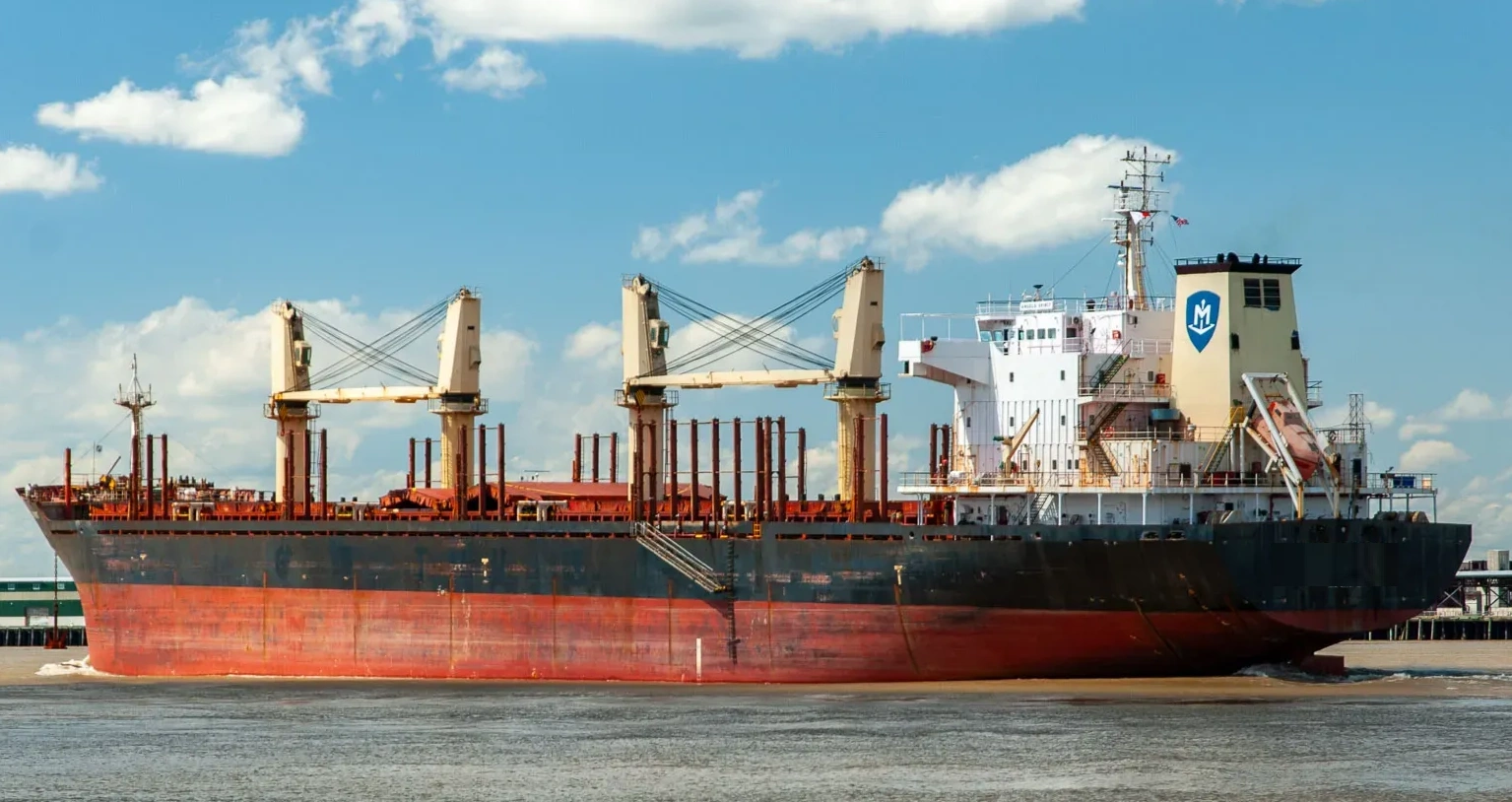
Location: Castellon, Spain
Size: 35239
Built Year: 2009
Price: $-
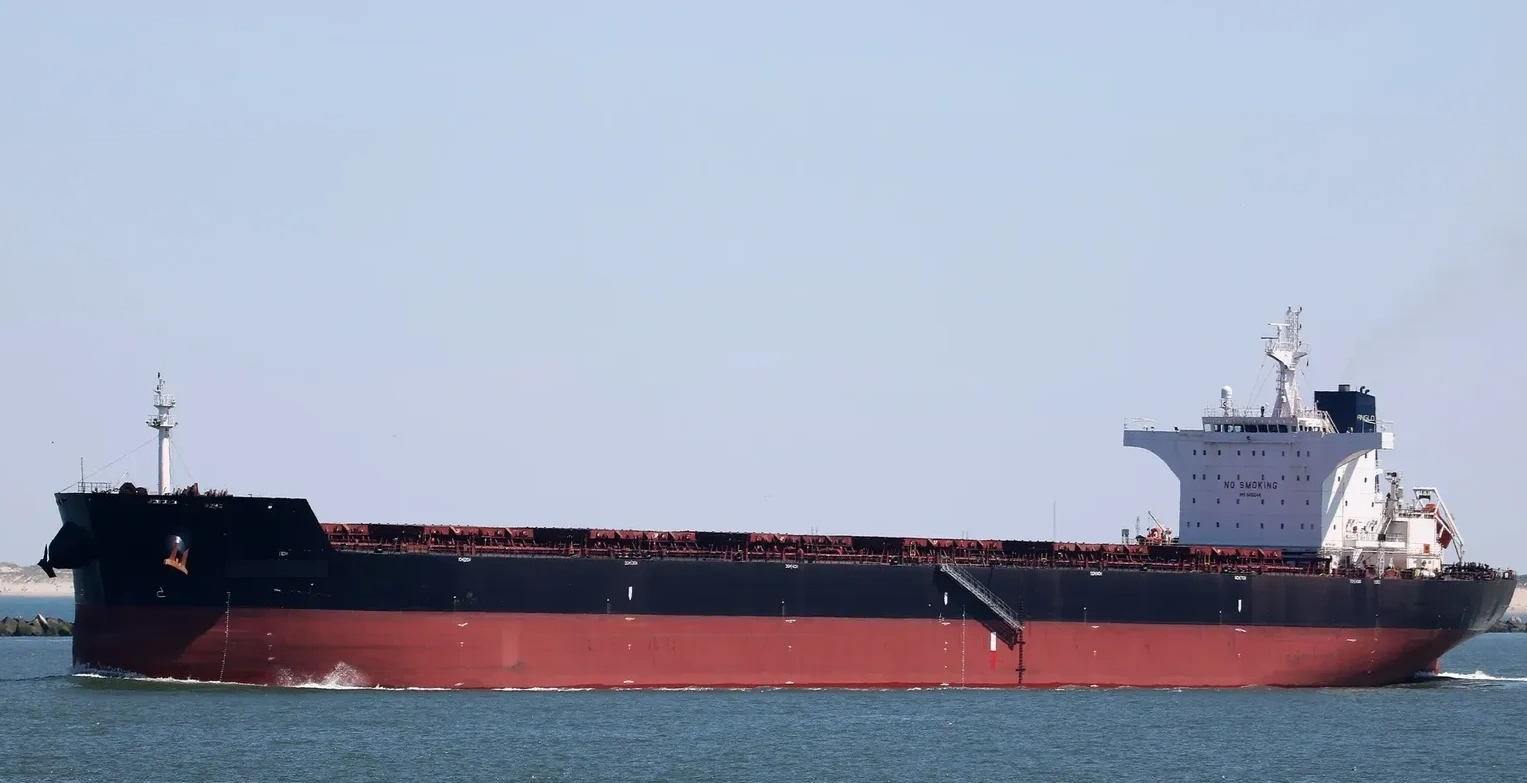
Location: Brisbane, Australia
Size: 114248DWT
Built Year: 2011
Price: $-
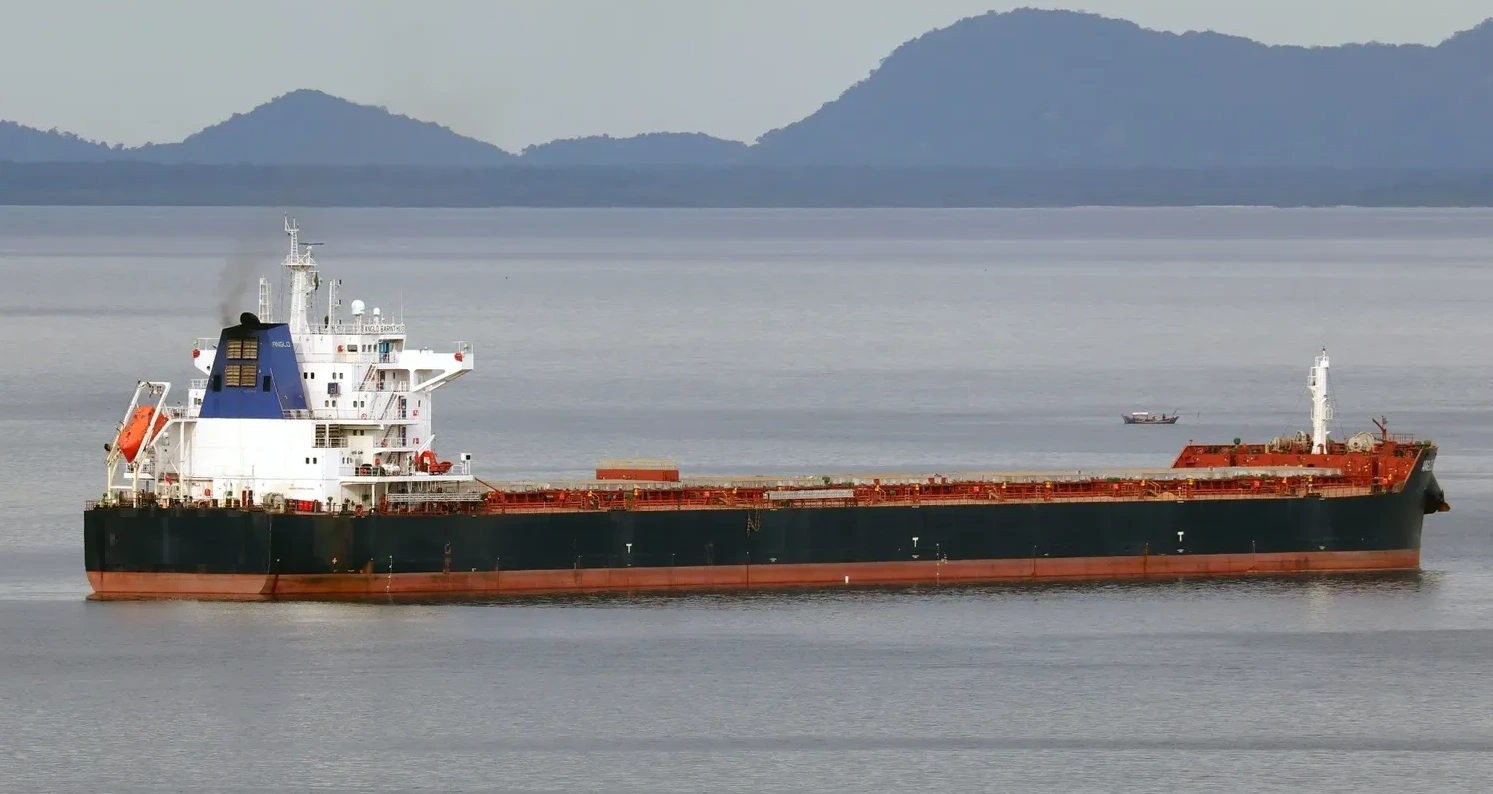
Location: GLADSTONE, AUSTRALIA
Size: 81628DWT
Built Year: 2013
Price: $-
The bulk carrier fleet stands as one of the largest and most commercially vital segments of the entire global shipping industry. As of today there are approximately 12,000 to 13,000 bulk carrier vessels of various sizes and types actively trading across the world's major ocean routes — making the bulker fleet the single largest vessel category by number in the entire world merchant fleet. These remarkable vessels collectively carry the essential dry commodities that sustain global industrial production and human civilization itself — iron ore, coal, grain, fertilizers, bauxite, cement, steel products, and countless other dry bulk cargoes that move in enormous volumes between producing nations and consuming markets every single day of the year. The global bulk carrier market represents one of the most accessible, liquid, and commercially rewarding investment opportunities in the entire maritime asset class — and it is a market that Ships24.net has studied deeply, participated in actively, and served with unmatched professional expertise across every bulk carrier size category and every major trading region in the world.
The secondhand bulk carrier sale and purchase market is without question one of the most active, dynamic, and continuously traded segments of the global ship sale market. At any given moment there are hundreds of bulker vessels for sale spanning every size category from small handy size coastal traders to massive Capesize vessels of over 180,000 deadweight tonnes — being offered by motivated sellers across Europe, Asia, the Middle East, and the Americas. For buyers entering the bulker vessel for sale market, this abundance of available tonnage creates extraordinary opportunity — but it also creates significant complexity and risk for those who approach the market without the right expertise, market intelligence, and professional guidance. The difference between a successful bulk carrier acquisition and a costly mistake often comes down to the quality of the brokerage partner you choose to work with — and this is precisely where Ships24.net consistently delivers the most value to our clients in the bulker sale and purchase market.
The bulk carrier vessel category is far more diverse and nuanced than many outside the industry appreciate. Bulkers are classified primarily by their cargo carrying capacity measured in deadweight tonnes (DWT) and each size category serves specific trade routes, cargo types, and port infrastructure requirements. At Ships24.net our bulker vessel for sale portfolio covers the complete spectrum of bulk carrier types available in the global secondhand market.
Capesize Bulk Carriers are the largest vessels in the dry bulk fleet, typically ranging from 100,000 to over 400,000 deadweight tonnes. These massive vessels are too large to transit the Suez or Panama canals and must therefore navigate around the Cape of Good Hope or Cape Horn — hence the name Capesize. They predominantly carry iron ore and coal on long-haul routes between major exporting nations such as Australia and Brazil and importing nations such as China, Japan, South Korea, and India. Capesize vessels represent the highest-value segment of the bulk carrier sale market and their freight rates are closely tracked as a key indicator of overall global industrial demand.
Newcastlemax Bulk Carriers represent the largest vessel size capable of entering Newcastle port in Australia — one of the world's most important coal export terminals — and typically range from 185,000 to 210,000 deadweight tonnes. These vessels occupy a premium niche within the large bulk carrier segment and are actively sought by operators serving the Pacific coal and iron ore trades.
Panamax Bulk Carriers range from approximately 60,000 to 80,000 deadweight tonnes and were originally sized to transit the original Panama Canal locks — though the expansion of the Panama Canal has given rise to the Post-Panamax category of larger vessels now capable of using the expanded canal locks. Panamax bulkers are among the most versatile and commercially flexible vessels in the dry bulk fleet, capable of carrying coal, grain, fertilizers, and minor bulk cargoes across a wide range of global trade routes. The Panamax segment is one of the most actively traded in the bulk carrier sale and purchase market and Ships24.net maintains strong and continuous market coverage across this important size category.
Kamsarmax Bulk Carriers are a specialized subset of the Panamax category sized to the maximum dimensions permitted at the Port of Kamsar in Guinea — one of the world's most important bauxite export terminals. Kamsarmax vessels typically measure around 82,000 deadweight tonnes and have become one of the most popular and widely ordered bulk carrier designs in recent years due to their superior cargo flexibility and broad charterer acceptance across multiple bulk commodity trades.
Supramax and Ultramax Bulk Carriers range from approximately 50,000 to 65,000 deadweight tonnes and represent one of the most commercially versatile segments of the entire bulk carrier fleet. Equipped with their own cranes and grabs, these self-geared vessels can operate in ports lacking shore-based cargo handling equipment — dramatically expanding their trading flexibility and cargo earning potential. Ultramax vessels — the modern evolution of the Supramax design — have become the industry standard for medium-sized bulk carrier newbuildings due to their optimized hull form, fuel efficiency, and cargo hold configuration.
Handymax Bulk Carriers ranging from 35,000 to 50,000 deadweight tonnes represent one of the most accessible entry points for bulk carrier investors and first-time vessel buyers. These versatile self-geared vessels serve an enormous range of cargo markets and port destinations globally and have historically demonstrated strong and consistent commercial performance across multiple shipping market cycles.
Handysize Bulk Carriers are the smallest category of ocean-going bulk carrier, typically ranging from 15,000 to 35,000 deadweight tonnes. These compact and highly maneuverable vessels serve short-sea and regional bulk commodity trades, coastal ports with draft restrictions, and specialized minor bulk cargo markets. Handysize bulkers are particularly popular in Asian, Mediterranean, and Caribbean regional trading markets and represent some of the most affordable bulk carrier acquisition opportunities currently available in the global sale market.
Mini Bulkers and Small Bulk Carriers below 15,000 deadweight tonnes serve inland waterway systems, river ports, and highly specialized coastal bulk trades — providing essential cargo transportation services in markets that larger vessels simply cannot access due to draft, beam, or air draft restrictions.
Understanding the bulk carrier buying process is essential for any prospective buyer seeking to make a successful and well-informed acquisition in the global bulker vessel for sale market. At Ships24.net our experienced brokers guide clients through every stage of this process with clarity, professionalism, and unwavering dedication to protecting our clients interests at every step.
Step One — Define Your Requirements. The first and most critical step in any bulk carrier acquisition is clearly defining your operational and commercial requirements. This means determining the vessel size category that best suits your intended trade route and cargo type, establishing your target age range and preferred classification society, setting realistic budget parameters covering not just the purchase price but also initial operational costs, drydock requirements, and working capital needs, and identifying your preferred flag state and crewing nationality. Ships24.net brokers work closely with buyers at this initial stage to help translate operational objectives into a precise vessel specification that guides the entire search and acquisition process.
Step Two — Market Search and Vessel Identification. Once your requirements are clearly defined our brokers conduct a comprehensive and targeted search of the global bulk carrier sale market — drawing on our extensive database of listed vessels, our direct relationships with shipowners and sellers worldwide, and our access to exclusive off-market opportunities not available through public listing platforms. We present buyers with a carefully curated shortlist of suitable vessels accompanied by detailed technical summaries, pricing analysis, and our honest market assessment of each option — saving our clients enormous amounts of time and protecting them from pursuing unsuitable or overpriced vessels.
Step Three — Initial Due Diligence and Vessel Assessment. For vessels of serious interest our team conducts thorough initial due diligence covering a review of the vessel's classification records and survey history, analysis of port state control inspection records, review of trading and maintenance history, assessment of the vessel's remaining drydock and Special Survey intervals, and preliminary commercial valuation benchmarking against recent comparable sales in the current market.
Step Four — Pre-Purchase Inspection. A comprehensive pre-purchase inspection is absolutely non-negotiable in any bulk carrier acquisition regardless of vessel age or condition. Ships24.net coordinates the full inspection program on behalf of buyers working alongside experienced and internationally accredited marine surveyors and naval architects to conduct a complete hull and machinery survey, cargo hold inspection covering structural condition and hatch cover integrity, engine room assessment covering main engine, auxiliary engines, and all mechanical and electrical systems, underwater hull inspection by qualified divers or ROV, and a full review of all safety and navigation equipment. Our goal is to ensure buyers have a completely transparent and accurate picture of their intended purchase before any financial commitment is finalized.
Step Five — Commercial Negotiation. Armed with full technical inspection results and current market data our experienced brokers conduct skilled and assertive commercial negotiations on behalf of buyers — working to secure the most favorable purchase price, payment terms, delivery conditions, and contractual protections available in the current market. Our brokers have negotiated hundreds of bulk carrier transactions and bring a level of commercial sophistication and market leverage to every negotiation that individual buyers simply cannot replicate without professional brokerage support.
Step Six — Memorandum of Agreement and Documentation. Once commercial terms are agreed our team manages the preparation, review, and execution of the Memorandum of Agreement (MOA) — the legally binding sale contract — working alongside qualified maritime lawyers to ensure all contractual terms are clear, enforceable, and fully protective of our client's interests. We also manage all associated documentation including the Bill of Sale, Deletion Certificate, flag state registration transfer, classification society transfer, and closing statement preparation.
Step Seven — Vessel Delivery. The final stage of the bulk carrier acquisition process involves the physical delivery of the vessel from seller to buyer at the agreed delivery location and condition. Ships24.net coordinates and supervises the delivery process on behalf of buyers — ensuring the vessel is delivered in the agreed condition, with all required documentation complete and in order, and that the entire handover process is conducted smoothly, efficiently, and in full compliance with the terms of the Memorandum of Agreement.
Buying a bulk carrier is a significant financial and operational commitment that demands careful consideration of several critical factors beyond the headline purchase price. Ships24.net advises every prospective bulker buyer to keep the following essential considerations firmly in mind throughout the acquisition process.
The vessel's classification society status and the timing of upcoming Special Surveys and drydock requirements can have a very significant impact on the true all-in cost of acquisition — a vessel with a Special Survey due imminently may require substantial additional expenditure within months of purchase. The condition of the cargo holds, hatch covers, and hatch cover sealing systems is particularly critical in bulk carriers as water ingress through defective hatch covers is one of the most common and costly operational problems affecting bulk carrier vessels. The main engine hours since last overhaul and the condition of the turbochargers, fuel injection system, and exhaust valves should be carefully assessed as these components represent the most significant maintenance cost items in any bulk carrier's operational budget. The vessel's fuel consumption performance relative to its charter speed warranty is a critical commercial consideration — even small variations in actual versus warranted fuel consumption can translate into significant daily operating cost differences over the vessel's trading life. Flag state and crew nationality implications for your intended trading area should be carefully considered in advance — some flag states and crew nationalities face port state control scrutiny or charterer acceptance issues in certain trading regions that can materially impact the vessel's commercial earning potential.
When you choose Ships24.net as your bulk carrier brokerage partner you are not simply hiring an intermediary to pass messages between buyer and seller — you are gaining access to a team of dedicated maritime professionals whose accumulated experience, market knowledge, and professional networks represent an enormously valuable asset in every transaction they handle. Our brokers have personally participated in bulk carrier transactions spanning every size category from small handysize coastal vessels to large Capesize carriers — in every major market cycle from the historic highs of 2007 and 2008 through the prolonged market depression of the following years and the subsequent recovery and strengthening of the current market environment.
This depth of real-world transactional experience means that Ships24.net brokers can identify overpriced vessels, spot hidden technical risks, recognize commercially unfavorable contract terms, and negotiate effectively on your behalf in ways that are simply not possible without years of direct market participation. Our clients consistently tell us that the value our experienced team adds to their transactions — through better pricing, avoided mistakes, faster deal execution, and smoother closings — far exceeds the cost of our professional brokerage services. Choosing Ships24.net means choosing the experience, the network, and the professional commitment that gives your bulk carrier acquisition the best possible foundation for long-term commercial success.
Q1. How many bulk carrier ships are currently trading in the world?
The global bulk carrier fleet currently numbers approximately 12,000 to 13,000 vessels of all sizes actively trading across the world's major ocean routes. This makes the bulk carrier the single most numerous vessel type in the entire world merchant fleet by number of ships. The fleet collectively provides enormous carrying capacity for the dry bulk commodities — iron ore, coal, grain, fertilizers, bauxite, and minor bulks — that are essential to global industrial production and food security. The sheer scale of the global bulker fleet means that the secondhand sale and purchase market for bulk carriers is one of the most liquid and continuously active in the entire shipping industry — with new transactions taking place every single day across every size category and every major maritime trading region.
Q2. What is the most popular bulk carrier size for first-time buyers?
For first-time bulk carrier buyers and maritime investors entering the dry bulk market for the first time, the Handysize and Handymax size categories are consistently the most popular entry points. These vessels offer a combination of lower acquisition costs relative to larger size categories, excellent trading flexibility due to their self-geared cargo handling capability and ability to access a wide range of global ports, and strong charterer demand across multiple dry bulk commodity trades. The Supramax and Ultramax categories are also extremely popular among more experienced buyers seeking a balance of manageable acquisition cost and superior commercial versatility. Ships24.net advisors work closely with first-time bulk carrier buyers to identify the size category and vessel specification that best matches their commercial objectives, risk appetite, and available investment capital.
Q3. What are the main cargoes carried by bulk carrier vessels?
Bulk carrier vessels carry an extraordinarily wide range of dry commodity cargoes that form the essential raw material inputs of global industrial production and food supply chains. The five major bulk commodities that dominate global bulk carrier demand are iron ore — the primary raw material for steel production carried predominantly on large Capesize and Panamax vessels from Australia and Brazil to Asian steel mills — coal including both thermal coal for power generation and coking coal for steelmaking — grain including wheat, corn, soybeans, and rice serving global food security — bauxite and alumina serving the global aluminum production industry — and fertilizers including potash, urea, and phosphates serving global agricultural production. Beyond these major bulks, bulk carriers also carry cement, steel products, sugar, salt, woodchip, petcoke, and many other industrial and agricultural commodities.
Q4. What does deadweight tonnage (DWT) mean for bulk carriers?
Deadweight tonnage (DWT) is the total weight in metric tonnes a vessel can safely carry when loaded to its maximum permitted draft. This includes cargo, fuel, fresh water, ballast water, stores, provisions, and crew. For bulk carrier buyers, DWT is the key measurement used to determine cargo capacity and earning potential — higher DWT generally means higher cargo intake per voyage and greater revenue potential. However, actual cargo capacity is slightly lower than total DWT because part of it is used for fuel, water, and stores.
Q5. What is a gearless versus a geared bulk carrier?
A geared bulk carrier is equipped with onboard cranes (typically two to four cranes) that allow independent loading and discharge without shore equipment. This makes them highly flexible and suitable for ports without cargo handling infrastructure. Supramax, Ultramax, Handymax, and Handysize vessels are usually geared. A gearless bulk carrier depends entirely on shore-based cranes and is therefore limited to well-equipped ports. Capesize and most Panamax vessels are typically gearless and operate mainly in major terminals.
Q6. How long does it take to complete a bulk carrier purchase?
A standard bulk carrier transaction usually takes three to six weeks for straightforward deals involving well-documented vessels. More complex transactions involving inspections, drydock requirements, financing, or legal complexities can take two to four months or longer. Ships24.net manages the process efficiently to ensure smooth execution while maintaining full due diligence and transactional safety.
Q7. What ongoing costs should I budget for after purchasing a bulk carrier?
Ongoing costs include crew wages, provisions, insurance (H&M and P&I), lubricants and spare parts, maintenance and repairs, port dues, pilotage, towage, agency fees, and periodic drydock and Special Survey costs every 2–5 years. These costs vary depending on vessel age, size, condition, and trading pattern. Proper financial planning is essential for sustainable operations.
Q8. How does the Baltic Dry Index affect bulk carrier values?
The Baltic Dry Index (BDI) reflects global dry bulk freight rates and is a key indicator of market demand. When the BDI rises, freight earnings improve and vessel values typically increase due to stronger buyer demand. When it falls, vessel values tend to soften. It is a critical benchmark for timing bulk carrier investments.
Q9. What environmental regulations affect bulk carrier operations and values?
Bulk carriers are affected by IMO regulations including the IMO 2020 sulfur cap, EEXI (Energy Efficiency Existing Ship Index), and CII (Carbon Intensity Indicator). These rules require improved fuel efficiency and lower emissions. Vessels with scrubbers, energy-saving devices, and better compliance ratings generally achieve higher market value, while older inefficient ships face commercial pressure.
Q10. Why should I use Ships24.net to buy or sell my bulk carrier?
Ships24.net provides end-to-end brokerage support including market access, vessel selection, technical evaluation, negotiation, inspection coordination, legal documentation, and delivery management. The advantage lies in global network access, real-time market intelligence, and experienced negotiation support across all vessel sizes and market conditions. This ensures better pricing, reduced risk, and smoother transactions for both buyers and sellers.
Beyond Bulk Carriers — Every Vessel Type, Every Ocean, Every Market
Ships24.net operates as a full-spectrum maritime brokerage covering tankers, container ships, gas carriers, general cargo vessels, offshore vessels, ferries, dredgers, tugboats, cruise ships, and many other vessel types across global markets. The platform provides complete support for vessel sale and purchase transactions worldwide.