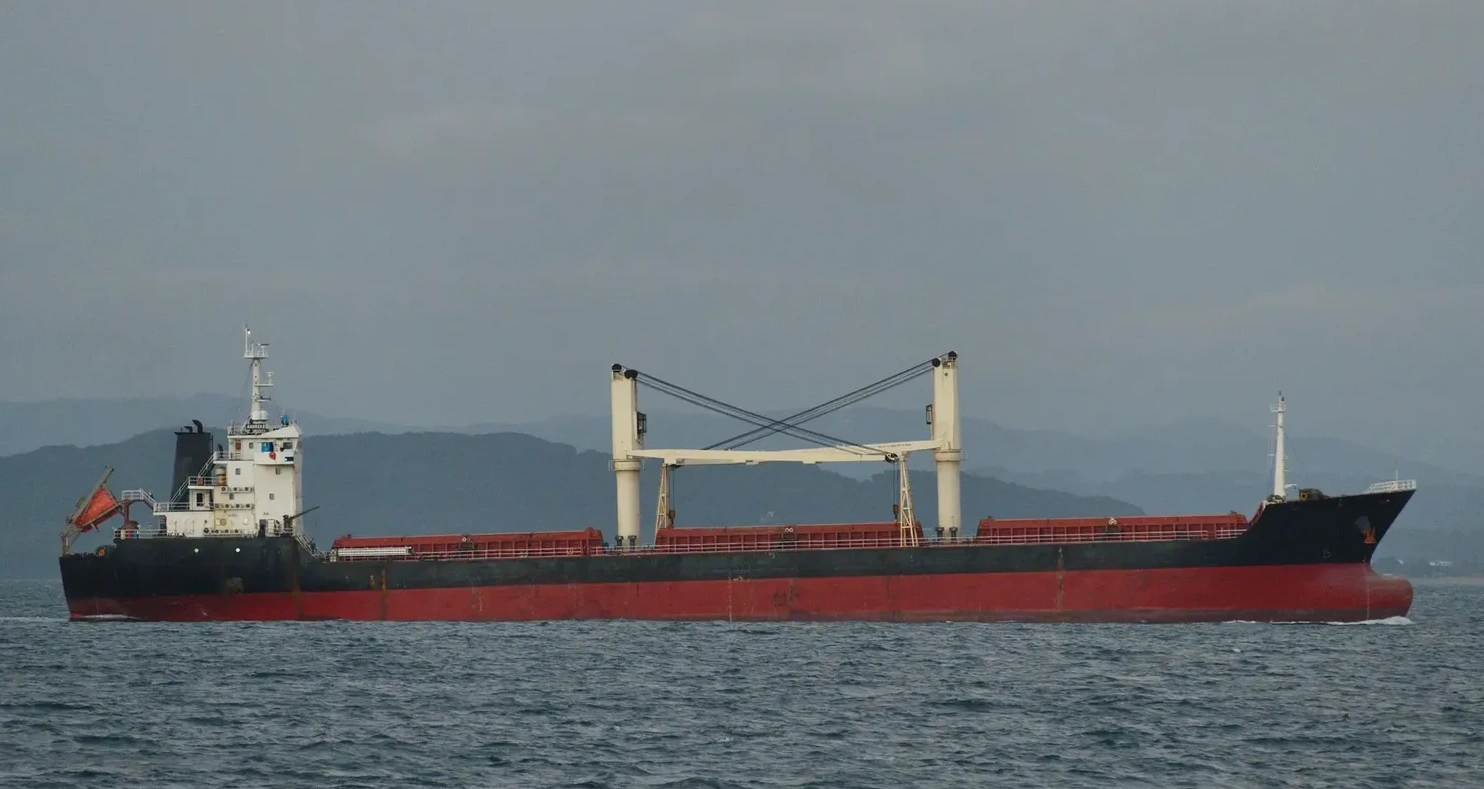
Location: -
Size: 13436DWT
Built Year: 2010
Price: $-
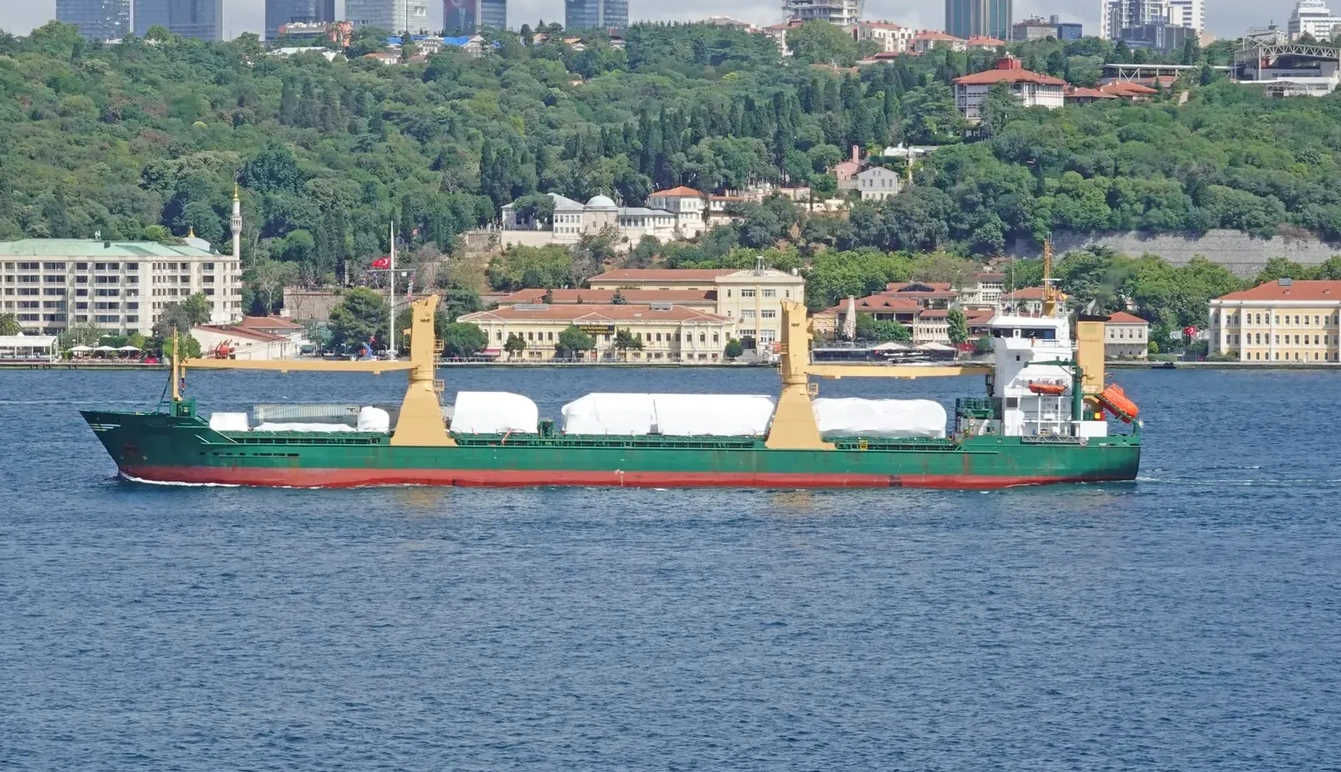
Location: Baltic/Cont/Med.
Size: 7763DWT
Built Year: 2005
Price: $-
The global general cargo and multi-purpose vessel fleet represents one of the most diverse, versatile, and commercially active segments of the entire world shipping industry. As of today there are approximately 15,000 to 17,000 general cargo vessels and multi-purpose ships of varying sizes, configurations, and flag states actively operating across the world's oceans, coastal routes, and inland waterway networks — collectively serving the broadest possible range of cargo types, trade routes, and industrial sectors in the global economy. Unlike specialized vessel categories that are restricted to carrying a single cargo type, general cargo ships and MPP vessels are the true workhorses of international maritime trade — capable of transporting break-bulk cargo, project cargo, heavy lift equipment, steel products, timber, bagged goods, machinery, vehicles, containers, and an enormous variety of other commercial cargoes in a single flexible platform. This extraordinary cargo versatility makes the general cargo ship and MPP vessel category one of the most commercially resilient, consistently in-demand, and investment-attractive segments of the global vessel sale market — and it is a market that Ships24.net monitors continuously and serves with the highest level of professional expertise and market intelligence.
A Multi-Purpose vessel — commonly referred to in the maritime industry as an MPP ship or MPP vessel — is a highly versatile cargo ship specifically designed and engineered to handle a wide variety of different cargo types within a single vessel platform. Unlike bulk carriers that carry only dry bulk commodities or container ships that exclusively carry containerized freight, an MPP vessel is built with the operational flexibility to carry general break-bulk cargo, heavy lift and project cargo, containers, steel coils and plates, timber, machinery, wind energy components, and a broad range of other industrial and commercial cargoes — often simultaneously within different cargo holds and on deck. This remarkable operational flexibility is the defining commercial advantage of the MPP ship — allowing operators to maximize vessel utilization across multiple cargo markets and trade routes rather than being dependent on a single commodity or cargo type. The global demand for MPP vessels and general cargo ships has strengthened considerably in recent years driven by the rapid growth of the global project cargo market, the booming wind energy and renewable energy infrastructure sector, continued expansion of industrial trade across emerging markets, and the growing need for flexible short-sea and feeder cargo solutions worldwide.
At Ships24.net, our brokerage portfolio covers the complete spectrum of general cargo ship and MPP vessel types actively traded in the global sale and purchase market.
Standard General Cargo Ships are conventional cargo vessels equipped with cargo holds and onboard cranes or derricks for cargo handling, capable of carrying break-bulk and packaged cargo types. These vessels typically range from small coastal traders up to ocean-going general cargo ships of 10,000 to 15,000 deadweight tonnes.
Multi-Purpose Heavy Lift Vessels (MPP HL) represent premium MPP ships equipped with powerful cranes capable of lifting extremely heavy cargo units such as industrial machinery, power plant components, and offshore structures.
Box-Shaped MPP Vessels are designed with box-shaped cargo holds providing maximum cubic capacity and flexibility for containers, steel products, and project cargo.
Tweendecker Vessels are equipped with between-deck platforms that allow multiple cargo levels for efficient separation of different cargo types.
Coaster and Short-Sea General Cargo Vessels serve regional and coastal routes and are essential for ports with draft or infrastructure limitations.
Forest Products Carriers are specialized vessels for timber and wood products with reinforced cargo holds and deck fittings.
Steel Carriers and Open Hatch Vessels are optimized for steel products such as coils, plates, and beams with reinforced structures and wide hatch openings.
The commercial potential of owning and operating a general cargo ship or MPP vessel in today's global shipping market is substantial and multifaceted. Unlike highly specialized vessel types that are entirely dependent on the performance of a single commodity market, general cargo ships and MPP vessels offer operators the unique ability to diversify their cargo revenue across multiple trades, commodity types, and geographical markets simultaneously — providing a natural commercial hedge against the volatility that characterizes more specialized shipping segments.
The global project cargo market — which relies heavily on MPP and heavy lift vessel capacity — has been experiencing strong and sustained growth driven by massive worldwide investment in renewable energy infrastructure including wind farms, solar installations, and hydroelectric projects, each generating significant volumes of oversized and heavy cargo movements. The International Renewable Energy Agency estimates that global renewable energy investment will continue to grow substantially over the coming decades — creating a powerful and long-term demand driver for MPP vessel capacity that makes well-specified MPP ships particularly attractive commercial assets for forward-looking investors and operators.
Additionally, the continued industrialization and infrastructure development of emerging economies across Africa, South Asia, Southeast Asia, and Latin America is generating growing volumes of general cargo trade that plays directly to the strengths of flexible multi-purpose tonnage. As port infrastructure in these regions continues to develop and trade volumes expand, the demand for versatile general cargo and MPP vessels capable of serving a wide range of ports and cargo types is expected to remain robust and commercially rewarding for the foreseeable future.
Purchasing a general cargo ship or MPP vessel is a significant and complex commercial undertaking that requires careful planning, thorough market knowledge, and professional guidance at every stage of the process. At Ships24.net, we guide our clients through every step of the vessel acquisition journey with complete transparency, technical expertise, and dedicated personal support. Here is a clear overview of the buying process as managed by our experienced brokerage team:
Step One — Define Your Requirements. The buying process begins with a clear and detailed definition of your vessel requirements. This includes identifying the most suitable vessel type and size for your intended cargo market and trading route, establishing your budget parameters and financing structure, determining your preferred vessel age range and classification society requirements, and clarifying your flag state preferences and crewing requirements. Ships24.net works closely with every buyer from the very beginning to help refine and articulate these requirements based on current market realities and commercial best practices.
Step Two — Market Search and Vessel Identification. Once your requirements are clearly defined, our brokerage team conducts a comprehensive search of the global sale market — covering both publicly listed vessels and exclusive off-market opportunities available through our extensive global network of shipowners and operators. We present buyers with a carefully curated shortlist of suitable vessels, complete with detailed technical summaries, pricing indications, and our honest commercial assessment of each option in the context of current market conditions.
Step Three — Initial Negotiation and Offer. When a suitable vessel has been identified, Ships24.net manages the initial negotiation process on your behalf — engaging with the seller or their broker to establish the key commercial terms of the transaction including purchase price, deposit arrangements, inspection rights, delivery conditions, and timeline. Our experienced negotiators draw on deep market knowledge and strong professional relationships to secure the most favorable terms possible for our buyer clients.
Step Four — Pre-Purchase Inspection. Following agreement on initial commercial terms, a comprehensive pre-purchase inspection is arranged and coordinated by Ships24.net. This typically includes a full hull and machinery survey conducted by an independent and internationally accredited marine surveyor, an underwater hull inspection, a cargo hold and hatch cover condition assessment, a crane and cargo handling equipment survey, a full engine room inspection, and a complete review of the vessel's classification society records, outstanding recommendations, and drydock history. The inspection findings are carefully reviewed by our team before any final purchase commitment is made.
Step Five — Memorandum of Agreement. Upon satisfactory completion of the pre-purchase inspection, Ships24.net manages the preparation, negotiation, and execution of the Memorandum of Agreement (MOA) — the legally binding contract governing the terms of the vessel sale and purchase transaction. We work closely with experienced maritime lawyers to ensure every clause of the MOA accurately reflects the agreed commercial terms and fully protects our client's legal and financial interests.
Step Six — Closing and Delivery. The final stage of the acquisition process involves the coordination of all closing documentation including the Bill of Sale, Deletion Certificate, Classification Society transfer, flag state registration, and closing financial settlement. Ships24.net manages this entire process meticulously to ensure a smooth, timely, and legally sound vessel delivery that gives our buyer clients complete confidence and peace of mind at the conclusion of their transaction.
Buying a general cargo ship or MPP vessel involves numerous important commercial, technical, and regulatory considerations that every buyer must carefully evaluate before committing to a purchase. Ships24.net has compiled the following essential guidance points based on years of experience managing general cargo and MPP vessel transactions in the global market:
Always verify the vessel's classification society status and ensure that all outstanding class recommendations and conditions of class have been addressed before purchase. A vessel with unresolved class issues can generate significant unexpected expenditure for the new owner in the months following acquisition.
Carefully assess the condition and capacity of the vessel's onboard cranes and cargo handling equipment — particularly for MPP vessels where crane capability is a primary commercial asset. Crane repairs and upgrades can be extremely costly and time-consuming if deficiencies are identified after purchase.
Review the vessel's cargo hold condition thoroughly including hatch cover integrity, hold coating condition, bilge system functionality, and ventilation system performance. Deficiencies in any of these areas can result in cargo damage claims and significant commercial liability for the owner.
Evaluate the vessel's fuel consumption performance carefully against current market benchmarks. Older vessels with high fuel consumption profiles may face significant commercial disadvantages in a market where charterers and cargo owners are increasingly focused on operational efficiency and environmental sustainability.
Assess the vessel's compliance with current and upcoming environmental regulations including MARPOL requirements, the IMO Carbon Intensity Indicator (CII) framework, the Energy Efficiency Existing Ship Index (EEXI), and ballast water management convention requirements. Non-compliant vessels may face trading restrictions, additional capital expenditure requirements, or reduced charterer acceptance in the near future.
Consider the vessel's port state control inspection history carefully. A record of multiple port state control deficiencies or detentions is a serious red flag that may indicate systemic maintenance and operational management issues that could prove extremely costly to resolve after acquisition.
Always engage an experienced and independent marine surveyor with specific general cargo and MPP vessel expertise to conduct the pre-purchase inspection. The cost of a thorough professional survey is negligible compared to the potential financial exposure arising from undiscovered deficiencies in a vessel acquired without proper technical due diligence.
When you choose Ships24.net as your general cargo ship or MPP vessel brokerage partner, you are not simply engaging a transaction facilitator — you are gaining access to a team of deeply experienced maritime professionals whose accumulated knowledge, market relationships, and transactional expertise can make a decisive and measurable difference to the outcome of your vessel acquisition or sale.
Our brokers have personally managed general cargo ship and MPP vessel transactions across every major trading region in the world — from European short-sea traders and Mediterranean coasters to large ocean-going multi-purpose heavy lift vessels serving the global project cargo market. This breadth of direct transactional experience means that our team understands the specific commercial, technical, and regulatory nuances of the general cargo and MPP vessel market in a way that generalist brokers simply cannot replicate.
We know which vessels represent genuine value in the current market and which are priced above their true worth. We know which sellers are genuinely motivated and which are simply testing the market. We know which surveyors have the specific expertise required to properly assess MPP crane systems and cargo hold conditions. We know which flag states and classification societies offer the best commercial positioning for general cargo and MPP vessel operations. And we know how to negotiate effectively on behalf of our clients to achieve transaction outcomes that consistently exceed their initial expectations.
This is the tangible and practical benefit of working with Ships24.net — not just market access, but genuine expertise, honest guidance, and a professional commitment to your success that sets us apart from every other brokerage option available in the global maritime market today.
Q1. What is the difference between a general cargo ship and an MPP vessel?
While both vessel types are capable of carrying a wide variety of cargo types, there are important distinctions between a standard general cargo ship and a true multi-purpose vessel. A general cargo ship is a conventional vessel designed primarily for break-bulk and packaged cargo transportation, typically equipped with standard onboard cranes or derricks suitable for handling general commercial cargo within normal weight and dimension parameters. An MPP vessel is a more sophisticated and purpose-built platform designed specifically to handle an exceptionally wide range of cargo types simultaneously — including heavy lift project cargo, containers, steel products, and oversized industrial equipment — often equipped with high-capacity cranes rated for lifts of several hundred tonnes or more. MPP vessels are generally more commercially versatile, more technically capable, and consequently more valuable in the sale market than standard general cargo ships of comparable size and age.
Q2. What is the typical price range for a general cargo ship or MPP vessel for sale?
The price range for general cargo ships and MPP vessels in the secondhand sale market is extremely broad, reflecting the enormous diversity of vessel types, sizes, ages, and specifications within this category. Small coastal general cargo ships and coasters can be acquired for as little as one to three million US dollars, while standard ocean-going general cargo vessels of 5,000 to 10,000 deadweight tonnes typically trade in the range of three to fifteen million dollars depending on age and condition. Mid-size MPP vessels with moderate crane capacity generally command prices between ten and thirty million dollars, while large and sophisticated MPP heavy lift vessels equipped with high-capacity cranes can reach values of fifty million dollars or significantly more for modern, well-specified examples in strong classification condition. Ships24.net provides accurate and current market valuations for every vessel type within the general cargo and MPP category — contact our team for a confidential appraisal tailored to your specific requirements.
Q3. What crane specifications should I look for when buying an MPP vessel?
The crane specification of an MPP vessel is one of its most commercially critical attributes and deserves extremely careful evaluation by any prospective buyer. Key crane parameters to assess include the Safe Working Load (SWL) of each crane measured in tonnes, the outreach distance of each crane measured in meters, the combined lift capacity when cranes are used in tandem configuration, the crane manufacturer and model, the age and maintenance history of the cranes, the condition of wire ropes and sheaves, the functionality of all crane controls and safety systems, and compliance with current lifting equipment certification requirements. For MPP vessels targeting the project cargo market, crane specifications directly determine which cargoes the vessel can commercially compete for — making a thorough crane survey by a qualified lifting equipment specialist an absolutely essential component of any MPP vessel pre-purchase inspection program.
Q4. What cargo markets do general cargo ships and MPP vessels typically serve?
General cargo ships and MPP vessels are among the most commercially versatile asset types in the entire global shipping fleet, capable of serving an extraordinarily wide range of cargo markets and industrial sectors. Primary cargo markets served by general cargo and MPP vessels include the global project cargo and heavy lift market transporting power generation equipment, oil and gas infrastructure components, renewable energy equipment, and industrial plant machinery. Steel and metals transportation covering coils, plates, sections, and pipes forms another major cargo market. Forest products including timber, logs, and lumber represent a consistent cargo base for many general cargo operators. Wind energy component transportation has emerged as one of the fastest-growing and most commercially rewarding cargo segments for MPP vessels in recent years. Agricultural machinery, mining equipment, rail and rolling stock, and humanitarian aid cargo are among the many other diverse markets regularly served by general cargo and MPP vessel operators worldwide.
Q5. How important is hatch cover condition when evaluating a general cargo ship for purchase?
Hatch cover condition is one of the most critically important technical parameters to evaluate in any general cargo ship or MPP vessel purchase — and one that is sometimes underestimated by less experienced buyers. Defective or leaking hatch covers are among the most common causes of cargo damage on general cargo vessels, potentially exposing the shipowner to significant cargo claim liability that can far exceed the cost of hatch cover repairs. A thorough hatch cover inspection should assess the structural integrity of all hatch panels, the condition of hatch cover seals and gaskets, the functionality of all hatch cover opening and closing mechanisms, the tightness of hatch covers under water pressure testing, and the general corrosion condition of all hatch cover steel components. Ships24.net strongly recommends that all buyers include a dedicated hatch cover inspection as a mandatory component of any general cargo or MPP vessel pre-purchase survey program.
Q6. What environmental regulations should general cargo ship buyers be aware of?
General cargo ship and MPP vessel buyers must be acutely aware of the current and evolving international environmental regulatory framework that governs vessel operations and directly impacts trading flexibility and commercial value. The most important environmental regulations currently applicable to general cargo vessels include the IMO Carbon Intensity Indicator (CII) rating system which assesses and rates vessel carbon efficiency on an annual basis with potential trading restrictions for persistently low-rated vessels, the Energy Efficiency Existing Ship Index (EEXI) which sets minimum energy efficiency standards for existing vessels, the Ballast Water Management Convention requiring vessels to be equipped with approved ballast water treatment systems, MARPOL Annex VI sulfur emission regulations requiring vessels to use compliant low-sulfur fuel or be fitted with exhaust gas cleaning systems, and the IMO 2050 decarbonization strategy which will drive further regulatory requirements in the years ahead. Ships24.net provides comprehensive regulatory compliance guidance to all buyers as part of our transaction advisory service — helping clients fully understand the regulatory implications of any specific vessel acquisition before commitment.
Q7. How long does the process of buying a general cargo ship typically take?
The timeline for completing a general cargo ship or MPP vessel purchase transaction varies depending on a number of factors including vessel location, inspection scheduling, negotiation complexity, documentation requirements, and financing arrangements. In straightforward transactions involving a well-documented vessel with a motivated seller and a prepared buyer, the process from initial inquiry to final delivery can be completed in as little as four to six weeks. More complex transactions — particularly those involving older vessels requiring extensive pre-purchase inspections, vessels with complex documentation histories, or acquisitions requiring financing approval — may take anywhere from two to four months or longer to complete successfully. Ships24.net manages the entire transaction timeline proactively and efficiently on behalf of our clients, coordinating all parties and processes to ensure the smoothest and fastest possible path to successful vessel delivery.
While general cargo ships and MPP vessels represent one of our most active and specialized brokerage categories at Ships24.net, we are enormously proud to operate as a genuinely comprehensive and full-spectrum maritime brokerage house with the global reach, deep technical expertise, and professional capability to handle the sale and acquisition of absolutely every vessel type actively traded in the international shipping market today. Our all-encompassing vessel portfolio covers Bulk Carriers, Crude Oil Tankers, Product Tankers, Chemical Tankers, LNG Carriers, LPG Carriers, Container Ships, RoRo Ships, Pure Car Carriers (PCC), Pure Car and Truck Carriers (PCTC), Heavy Lift Vessels, Offshore Supply Vessels (OSV), Platform Supply Vessels (PSV), Anchor Handling Tug Supply Vessels (AHTS), Crane Vessels, Pipe Laying Vessels, Cable Laying Ships, Dredgers, Hopper Barges, FPSO Units, Floating Storage Units (FSU), Floating Storage and Regasification Units (FSRU), Accommodation Vessels, Survey Ships, Fishing Vessels, Fish Factory Ships, Reefer Vessels, Livestock Carriers, Passenger Ships, Cruise Ships, Expedition Vessels, RoPax Ferries, Tugboats, Pilot Boats, Barges, Inland Waterway Vessels, Research Ships, Training Vessels, Ice Breakers, Super Yachts, and Harbor Craft. Whatever vessel type your business strategy demands or your maritime investment goals require, Ships24.net has the market intelligence, the global connections, the technical knowledge, and the unwavering professional dedication to deliver exactly the right solution — efficiently, transparently, and with the results-driven commitment that shipowners, operators, and investors across the world have come to trust and rely upon. Visit ships24.net today and take the first confident step toward your next successful vessel transaction with a brokerage team that truly delivers on every promise.