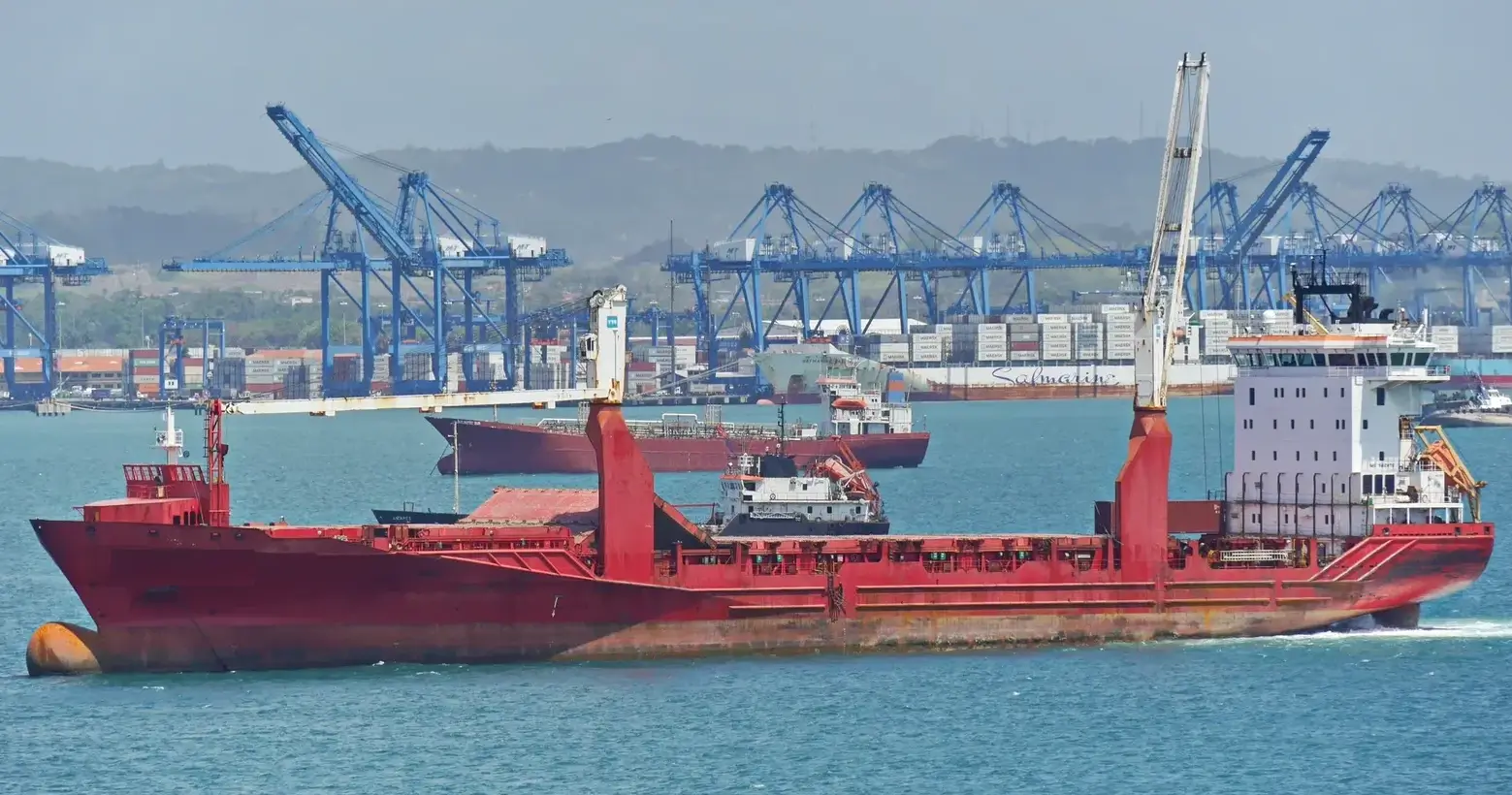
Location: -
Size: 12306DWT
Built Year: 2010
Price: $12M
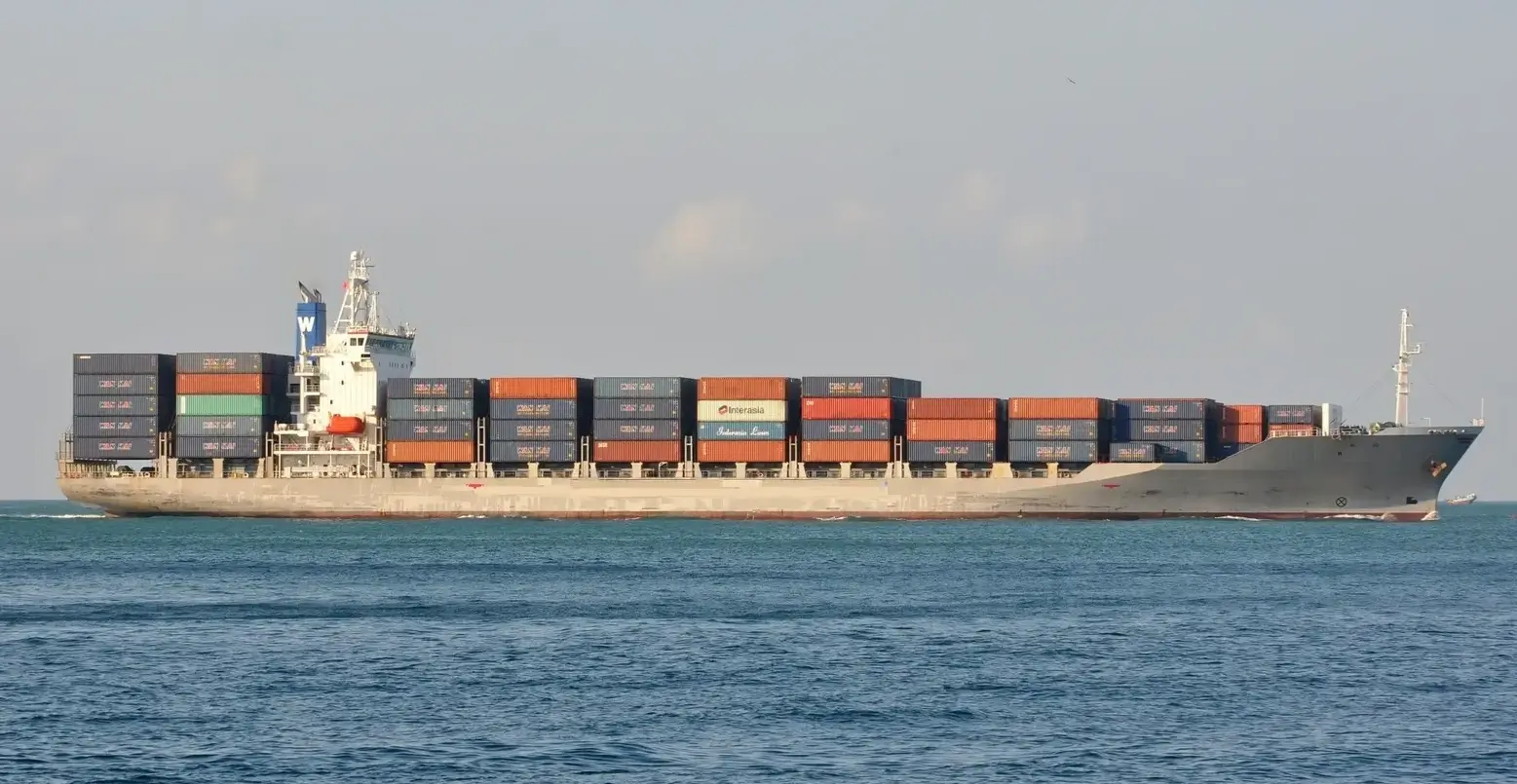
Location: China
Size: 23643DWT
Built Year: 2002
Price: $-
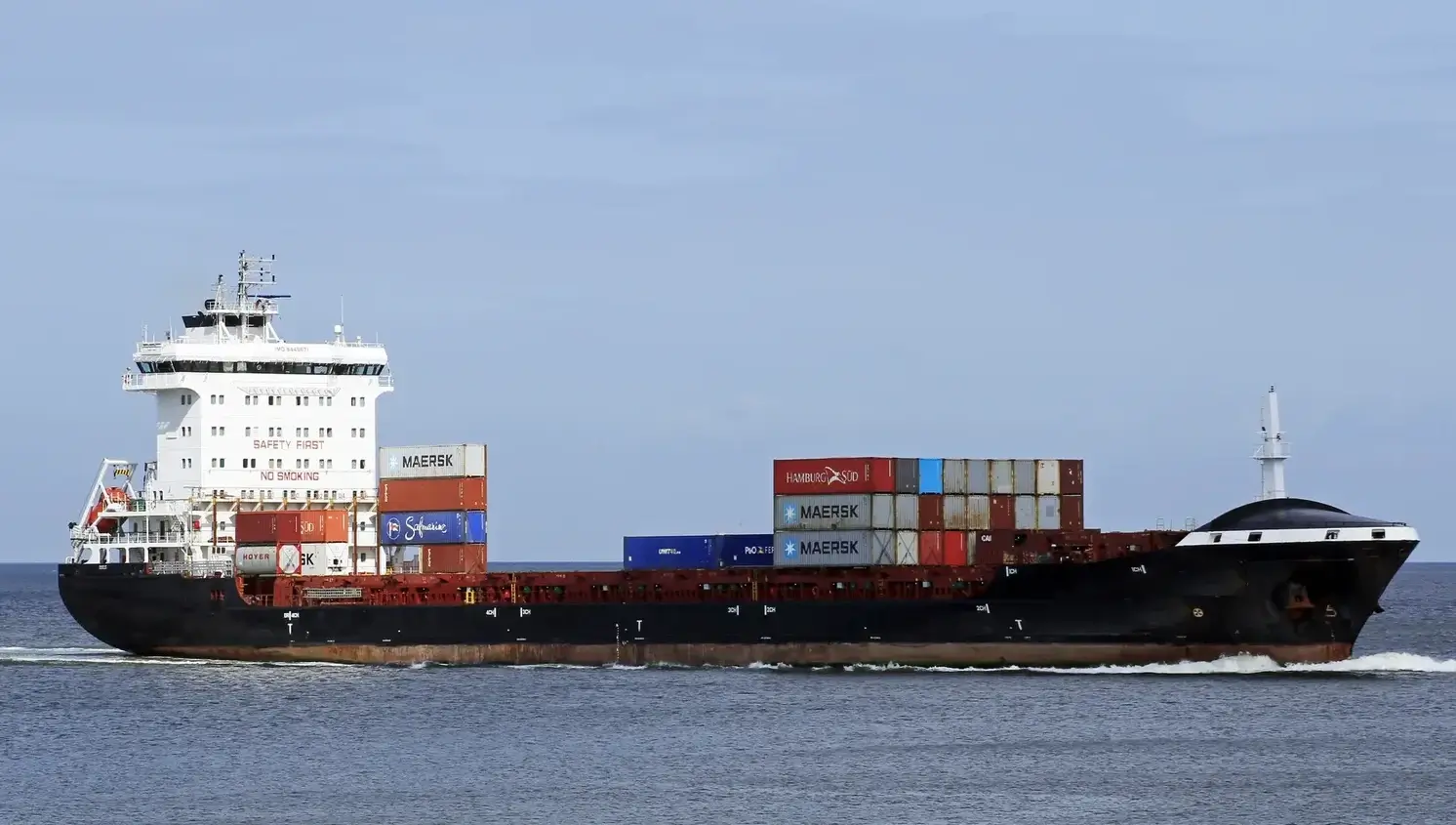
Location: North Europe
Size: 14230DWT
Built Year: 2011
Price: $14.1M
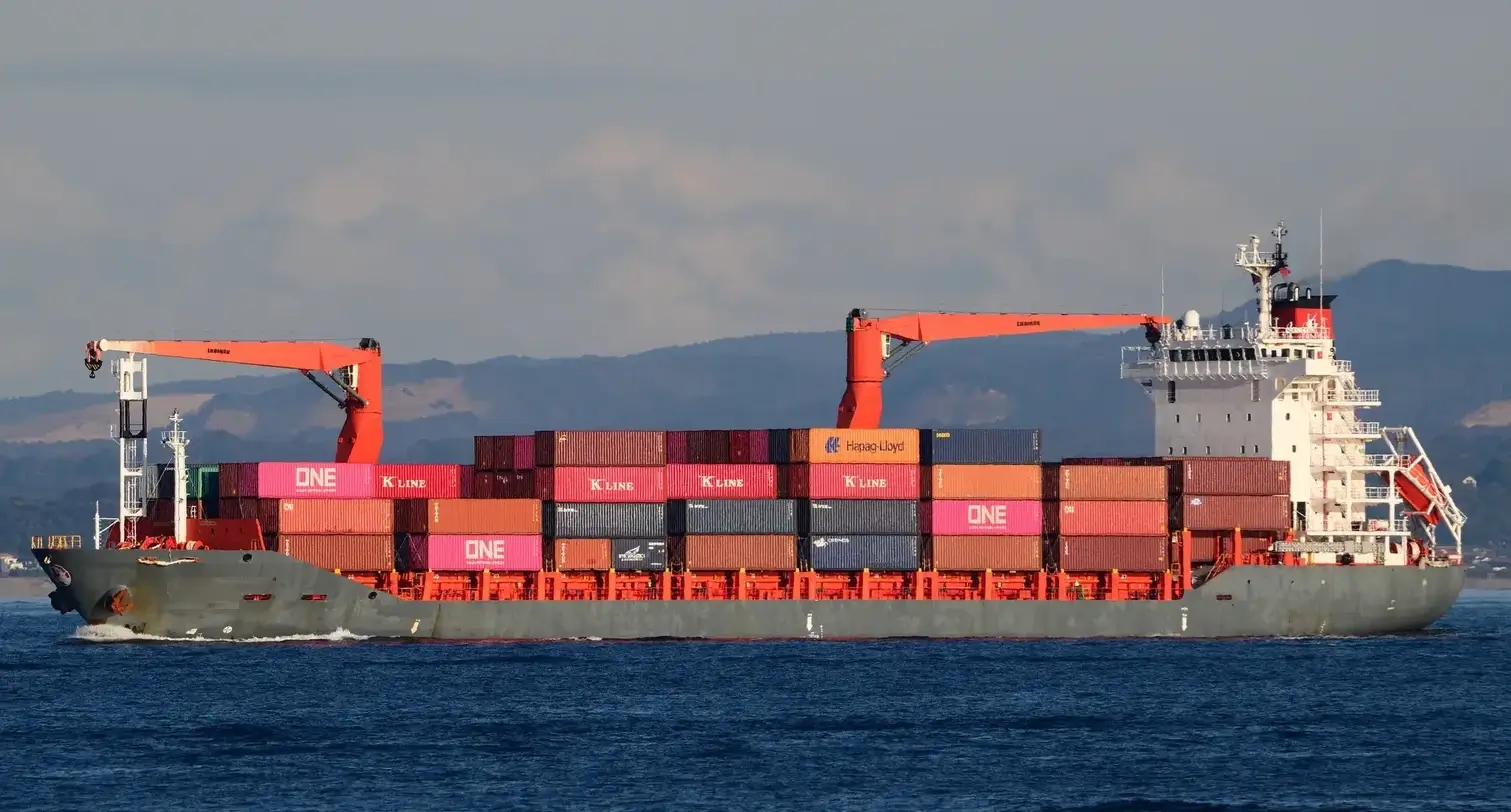
Location: -
Size: 12754DWT
Built Year: 2012
Price: $16.5M
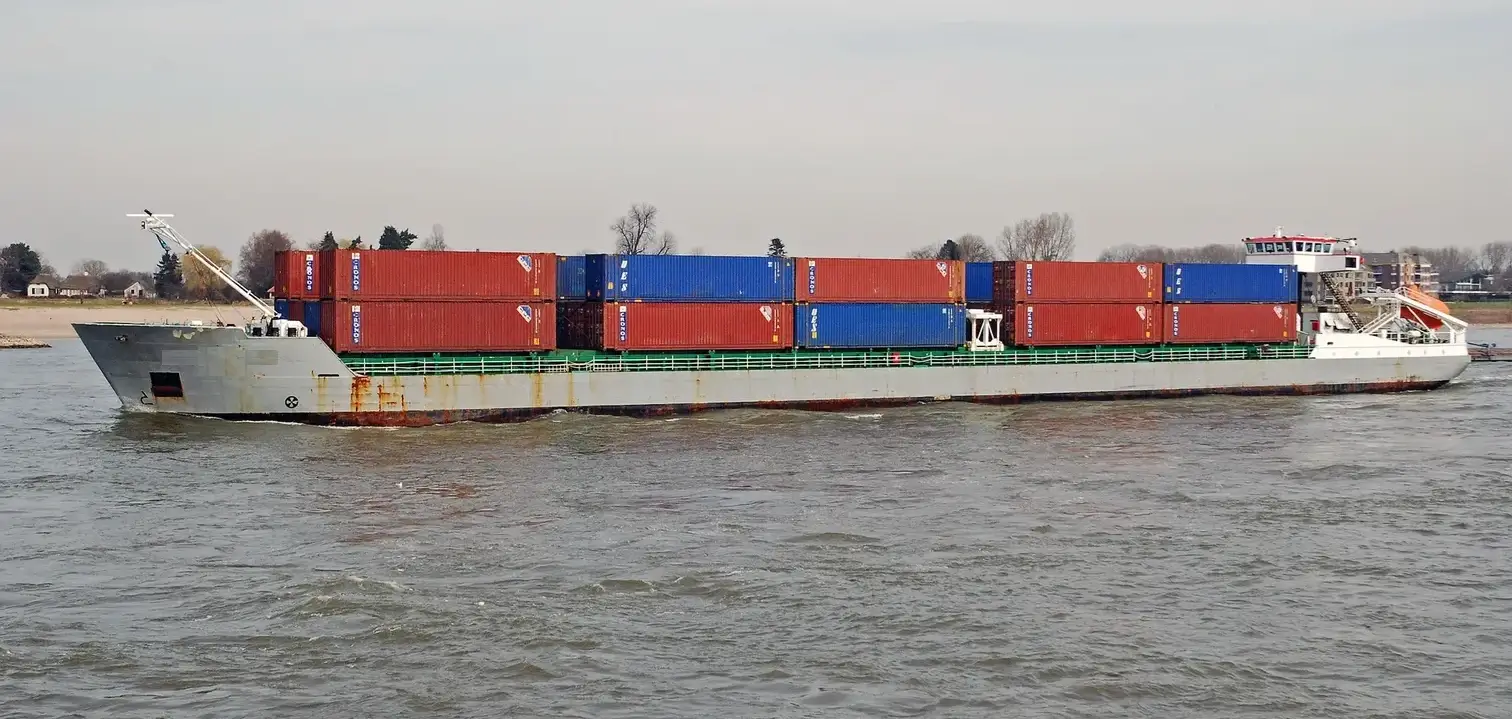
Location: -
Size: 3185DWT
Built Year: 1998
Price: $3M
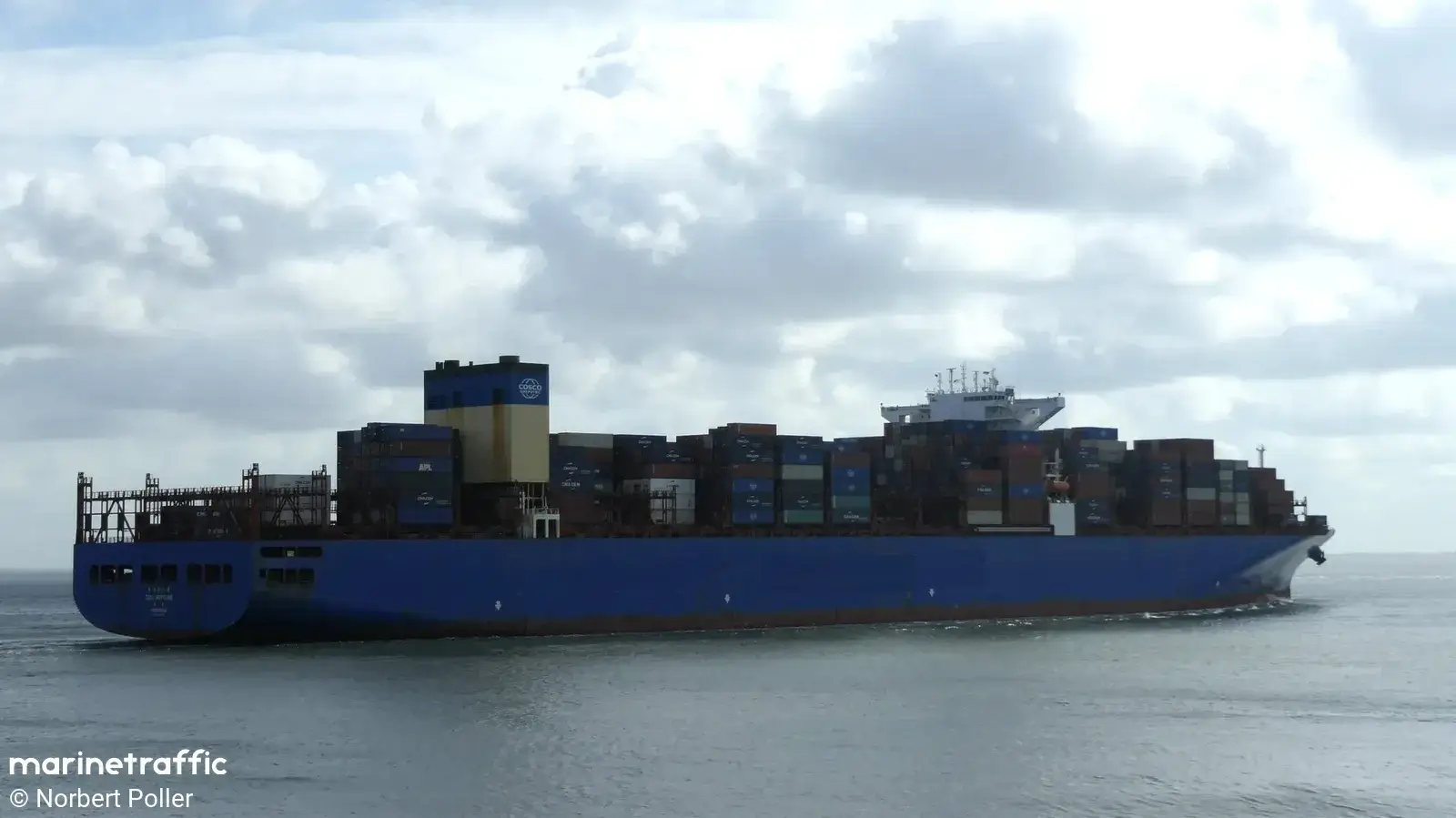
Location: -
Size: 7864DWT
Built Year: 2004
Price: $-
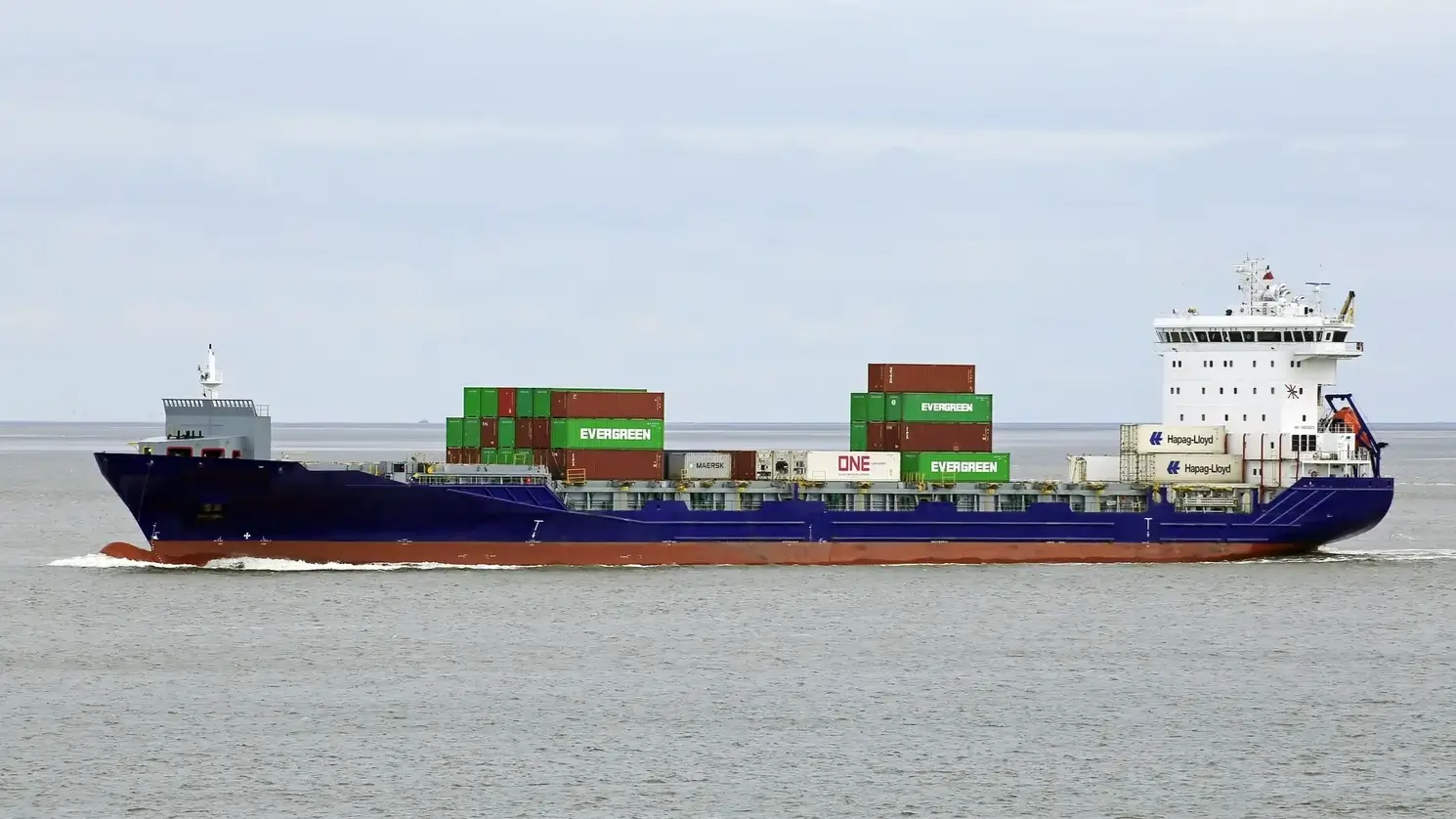
Location: NW Europe.
Size: 14564DWT
Built Year: 2012
Price: $16.3M
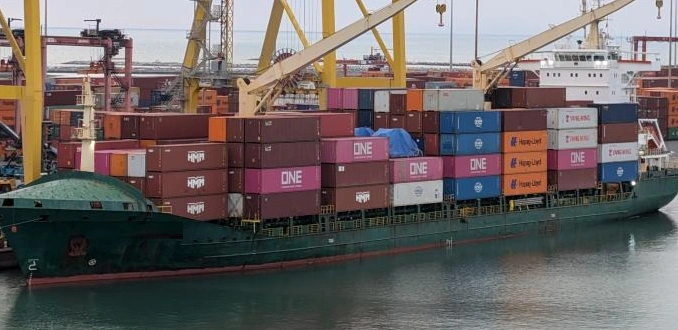
Location: Jinling Shipyard - Nanjing JS,CHINA
Size: 13803DWT
Built Year: 2007
Price: $11.5M
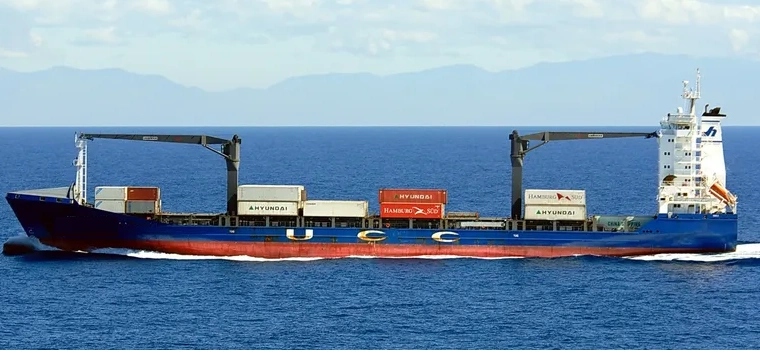
Location: Yangzhou JS,CHINA
Size: 13699DWT
Built Year: 2007
Price: $11.5M
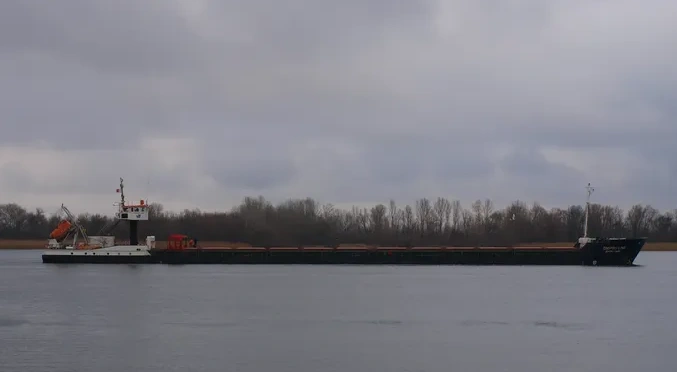
Location: Braila,ROMANIA
Size: 3200DWT
Built Year: 1998
Price: $1.65M
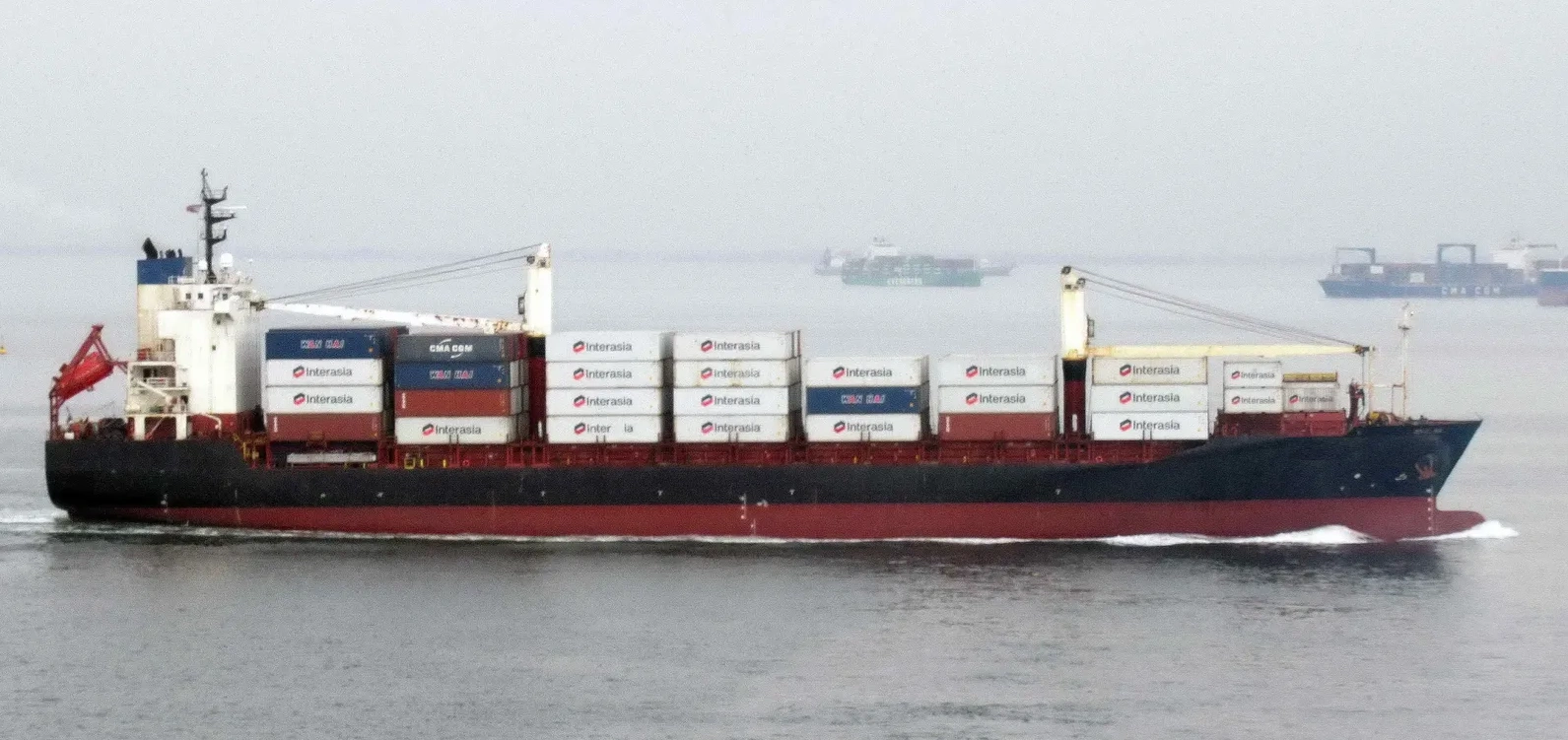
Location: trading china - SE Asia
Size: 16400
Built Year: 2001
Price: $10M
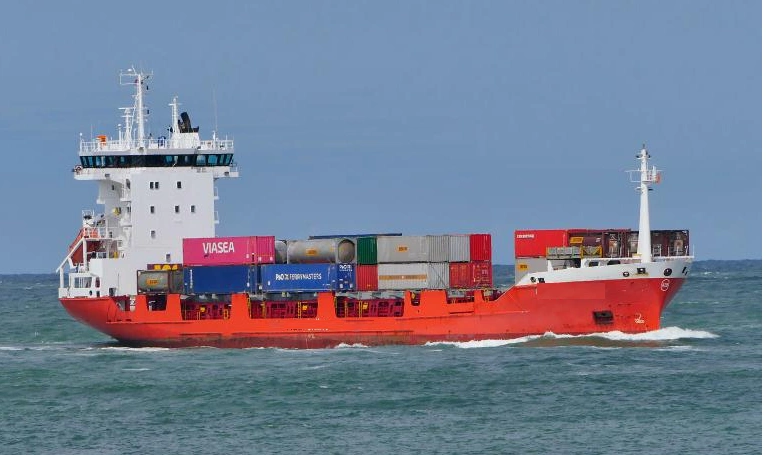
Location: Moerdijk (the Netherlands) and east coast United Kingdom.
Size: 5291
Built Year: 1995
Price: $2.5M
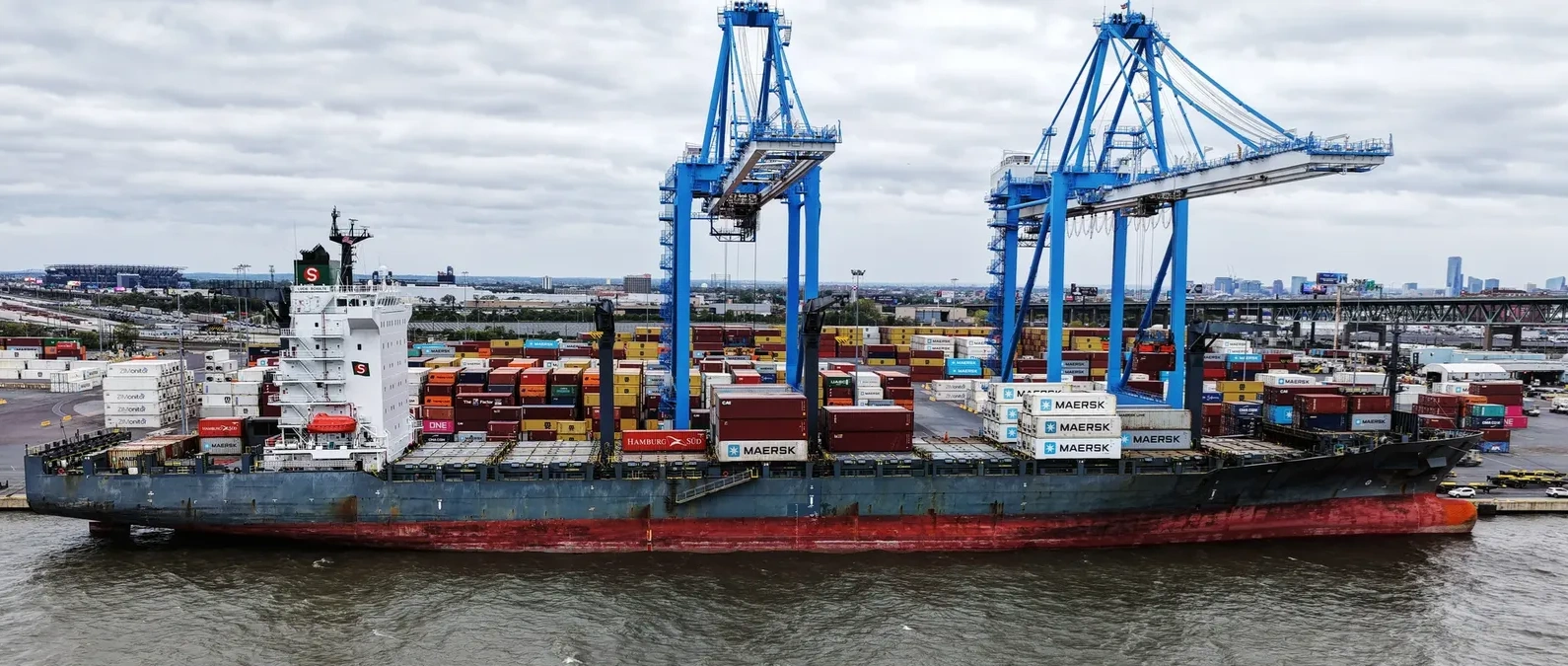
Location: Singapore
Size: 34396 DWT
Built Year: 2006
Price: $-
The container shipping industry is without question one of the most transformative and economically powerful forces in the history of global trade. Since the revolutionary introduction of the standardized steel shipping container by Malcolm McLean in 1956, containerization has fundamentally reshaped the way the world moves goods — creating a seamlessly interconnected global supply chain that today delivers everything from consumer electronics and clothing to automotive parts, food products, industrial machinery, and pharmaceutical goods to every corner of the planet with remarkable speed, efficiency, and reliability. As of today, the global container vessel fleet comprises approximately 6,000 to 6,500 container ships of various sizes and types actively operating across the world's major and secondary trade lanes — collectively carrying an estimated 250 million TEU (Twenty-foot Equivalent Units) of cargo every single year and accounting for approximately 17 percent of all seaborne trade by value. This fleet represents a combined carrying capacity of over 27 million TEU and continues to grow steadily as global trade volumes expand and emerging market economies integrate more deeply into worldwide supply chains. The container shipping market is not simply a transportation sector — it is the physical infrastructure upon which the entire modern global economy depends, making container vessel ownership one of the most strategically significant and commercially rewarding investment opportunities available in the maritime asset class today.
For investors, fleet operators, and maritime entrepreneurs, container ship ownership represents a compelling and multifaceted commercial opportunity that has consistently generated significant returns across multiple market cycles. The fundamental demand drivers supporting the container shipping market are deeply rooted in long-term structural trends that show no signs of reversing — growing global population, rising middle-class consumption in Asia and Africa, expanding e-commerce volumes, increasing manufacturing output in emerging economies, and the continued globalization of supply chains across virtually every industry sector. These powerful demand fundamentals create a robust and resilient commercial environment for container vessel owners and operators that extends well beyond any single market cycle or short-term economic fluctuation.
Container ships generate revenue through time charter arrangements — where the vessel is leased to a shipping line or operator for a fixed daily rate over an agreed period — as well as through voyage charter and spot market employment where the vessel earns freight revenue on individual cargo voyages. The versatility of container vessels across multiple charter structures gives owners significant flexibility in optimizing their commercial strategy in response to changing market conditions. Additionally, the secondary market for container vessels is one of the most liquid and actively traded segments of the entire global ship sale and purchase market — meaning that container vessel owners generally enjoy strong asset liquidity and the ability to exit their investment efficiently when market conditions are favorable. At Ships24.net, we help our clients understand and capitalize on all of these commercial dimensions of container ship ownership — providing the market intelligence, transaction expertise, and professional brokerage support needed to maximize the value of every container vessel investment.
The container vessel market encompasses a remarkably diverse range of ship sizes and configurations, each serving specific trade routes, port infrastructure requirements, and commercial operating models. Understanding these distinctions is fundamental to making the right vessel acquisition decision — and Ships24.net provides expert guidance across all container ship categories.
Ultra Large Container Vessels (ULCV) represent the absolute pinnacle of container ship engineering and scale, with carrying capacities exceeding 18,000 TEU and the largest vessels in this category capable of carrying over 24,000 TEU in a single voyage. These magnificent vessels — exemplified by the famous Triple-E class and similar mega-ships operated by the world's largest container lines — serve the highest-volume deep-sea trade lanes connecting Asia with Europe and North America, where their extraordinary economies of scale deliver the lowest possible unit transportation costs. While ULCV transactions are among the most complex and capital-intensive in the container shipping market, Ships24.net has the network and expertise to facilitate these high-value transactions for qualified buyers and sellers.
New Panamax and Post-Panamax Container Ships with capacities ranging from approximately 10,000 to 18,000 TEU represent the backbone of the major deep-sea container trade lanes and are sized to transit the expanded Panama Canal locks that opened in 2016. These vessels offer an attractive combination of scale efficiency and trading flexibility, serving the transpacific, trans-Atlantic, and Asia-Europe trade routes that collectively account for the majority of global containerized cargo volumes.
Panamax Container Ships carrying between 3,000 and 5,100 TEU were historically designed to transit the original Panama Canal locks and continue to serve important roles on secondary deep-sea trade lanes, regional feeder services, and intermodal routes connecting major hub ports with secondary markets. Panamax container vessels represent one of the most actively traded size categories in the secondhand container ship market and are frequently sought by regional operators and emerging market shipping lines.
Sub-Panamax and Intermediate Container Ships in the 1,000 to 3,000 TEU range serve as the vital connective tissue of the global container shipping network — operating feeder services that collect and distribute containerized cargo between major hub ports and the smaller regional and secondary ports that cannot accommodate larger deep-sea vessels. These vessels are in consistent and strong demand across Southeast Asia, the Mediterranean, the Caribbean, West Africa, and the Middle East and represent some of the most commercially accessible entry points for investors and operators new to container ship ownership.
Feeder Container Ships below 1,000 TEU are the smallest and most numerous category of container vessel in the global fleet, performing short-sea and intra-regional feeder services across busy coastal and inland waterway trades. These compact and versatile vessels are particularly active across the Baltic Sea, the Mediterranean, Southeast Asian archipelago routes, and the river-sea trades of Europe and Asia — and they remain among the most liquid and frequently transacted vessel types in the container ship secondhand market.
Reefer Container Ships and Specialized Container Vessels are equipped with enhanced electrical capacity and refrigerated container plug points specifically designed to carry temperature-sensitive cargo such as fresh fruit, vegetables, seafood, pharmaceuticals, and other perishable goods that require precise climate control throughout the voyage. These specialized container vessels serve the growing global cold chain logistics market and command premium charter rates reflecting their specialized operational capabilities.
Purchasing a container ship is a significant financial and operational commitment that requires careful planning, thorough due diligence, and expert professional guidance at every stage. At Ships24.net, we walk our clients through every step of the container vessel acquisition process with clarity, transparency, and dedicated personal support from start to finish.
The first and most important step in any container ship acquisition is clearly defining what you need and why. Key decisions at this stage include identifying the right vessel size and TEU capacity for your intended trade route and cargo volumes, determining your target vessel age range and condition expectations, establishing a realistic acquisition budget that accounts for both purchase price and post-acquisition operational costs, deciding on your preferred flag state and classification society, and defining your intended commercial deployment strategy — whether time charter, voyage charter, or spot market operation. Ships24.net brokers work closely with buyers at this initial stage to provide honest market guidance and help crystallize a well-defined vessel acquisition brief that forms the foundation of an efficient and focused search process.
Once your acquisition requirements are clearly defined, Ships24.net immediately activates our global network of verified container ship owners, operators, and sellers to identify the most suitable vessels currently available in the market. Our brokers have access to both publicly marketed container vessels and exclusive off-market opportunities sourced through our private owner network — giving our buyers a significant advantage over those relying solely on publicly available vessel listings. We present each shortlisted vessel with a comprehensive summary covering key technical specifications, classification status, trading history, condition overview, and current market pricing — allowing buyers to make informed initial assessments efficiently and without unnecessary delay.
For every container vessel that advances to serious purchase consideration, Ships24.net coordinates a comprehensive pre-purchase inspection program involving experienced and internationally accredited marine surveyors, naval architects, and technical specialists. A thorough container ship inspection covers hull and structural condition, main engine and auxiliary machinery assessment, hatch cover integrity and weathertightness, lashing and securing equipment condition, reefer plug point functionality and electrical system capacity, navigation and communication equipment, safety and lifesaving appliance certification, and a complete review of the vessel's class survey history and outstanding recommendations. Our brokers ensure that buyers receive complete, unbiased, and fully transparent inspection reports before any purchase commitment is finalized.
Armed with the results of the technical inspection and a clear understanding of the vessel's market value, Ships24.net brokers conduct skilled and experienced commercial negotiations on behalf of our buyer clients to secure the most favorable purchase price and contractual terms available. This stage includes preparation and negotiation of the Memorandum of Agreement (MOA) — the primary legal contract governing the vessel sale — covering purchase price, deposit arrangements, inspection rights, delivery conditions, and all other key commercial terms. Our brokers have extensive experience negotiating container ship MOAs across all vessel sizes and transaction complexities, consistently delivering favorable outcomes for our clients.
The final stage of the container ship acquisition process involves the coordinated management of all closing documentation, fund transfers, flag state registration, and classification society transfer procedures necessary to legally complete the transaction and deliver the vessel to its new owner. Ships24.net works closely with experienced maritime lawyers, ship registries, and classification society representatives to ensure that every document is accurate, legally sound, and processed efficiently — bringing the transaction to a clean and successful close and ensuring the vessel is safely delivered to its new owner on the agreed terms and timeline.
Container ship acquisition involves a number of important considerations that can significantly impact both the commercial success and operational viability of your investment. Ships24.net highlights the following critical factors that every container ship buyer must carefully evaluate before proceeding with any vessel purchase.
Vessel Age and Remaining Economic Life are among the most important commercial considerations in any container ship acquisition. Younger vessels command higher prices but offer lower operating costs, better fuel efficiency, superior charterer acceptance, and longer remaining commercial life. Older vessels are available at lower acquisition prices but typically carry higher maintenance costs, increased drydock expenditure, and potential restrictions on charterer acceptance from major shipping lines that impose age limits on vessels they employ.
Fuel Efficiency and Environmental Compliance have become increasingly critical commercial and regulatory considerations in the container shipping market. Vessels equipped with modern slow-speed two-stroke main engines, energy-saving devices, and scrubber systems or LNG dual-fuel propulsion deliver significantly lower fuel costs and stronger compliance positions under the IMO's Carbon Intensity Indicator (CII) regulations and Energy Efficiency Existing Ship Index (EEXI) requirements — translating directly into better charter market acceptance and stronger long-term asset values.
Classification Society Status and Survey Condition directly impact a vessel's trading capabilities, charterer acceptance, port state control performance, and insurability. Buyers should always verify that the vessel maintains a clean and current class certificate with a reputable classification society and that there are no outstanding class conditions, recommendations, or overdue surveys that could restrict the vessel's trading or require significant near-term capital expenditure.
Hatch Cover and Cargo Gear Condition are particularly important technical considerations for container ships, as defective hatch covers are a leading cause of cargo damage claims and insurance complications. A thorough hatch cover inspection including hose testing and ultrasonic testing should always form part of any container ship pre-purchase survey program.
Charter Party Status and Existing Employment can significantly influence both the attractiveness and the complexity of a container ship acquisition. Vessels sold with existing time charter arrangements attached provide buyers with immediate and predictable revenue streams from day one — but require careful legal review of charter party terms, counterparty quality, remaining charter duration, and any change of ownership notification requirements that must be addressed as part of the transaction closing process.
When you choose Ships24.net as your container ship brokerage partner, you gain access to a level of market expertise, professional capability, and dedicated personal service that makes a real and measurable difference to the outcome of your transaction. Our years of accumulated experience in the global container vessel sale and purchase market means that our brokers have navigated every type of container ship transaction — from straightforward single-vessel acquisitions for first-time buyers to complex multi-vessel portfolio transactions for established container operators — and have consistently delivered outstanding results for clients operating across every major maritime market in the world.
Our market intelligence capabilities are second to none. Ships24.net continuously monitors container vessel pricing trends, charter rate movements, newbuilding price benchmarks, fleet supply and demand dynamics, and regulatory development across the container shipping sector — ensuring that our clients always have access to the most current, accurate, and actionable market information available when making their most important vessel investment decisions. Our global network of container ship owners, operators, charterers, financial institutions, and maritime advisors gives our clients privileged access to opportunities and insights that simply cannot be obtained through less established or less connected brokerage channels.
Perhaps most importantly, Ships24.net brings an unwavering commitment to honest, transparent, and genuinely client-centered brokerage that puts your interests above all else in every transaction we handle. We tell our clients what they need to hear — not what they want to hear — because we understand that honest guidance is the most valuable service any broker can provide. When you work with Ships24.net, you are not just hiring a broker — you are gaining a trusted maritime partner with the experience, integrity, and professional capability to help you achieve the best possible outcome in your container ship transaction.
The global container vessel fleet currently comprises approximately 6,000 to 6,500 active container ships of all sizes, collectively representing a total carrying capacity of over 27 million TEU. This fleet has grown dramatically over the past three decades driven by the explosive expansion of global trade volumes and the continued shift of manufacturing activity to lower-cost production centers in Asia. The fleet ranges from the world's largest Ultra Large Container Vessels carrying over 24,000 TEU on the major deep-sea trade lanes down to small feeder vessels of a few hundred TEU serving short-sea coastal and river trades. Ships24.net maintains comprehensive market coverage across all container ship size categories and our brokers have real-time visibility of vessel availability and pricing across the entire global container fleet.
TEU stands for Twenty-foot Equivalent Unit and is the standard measurement used to express container ship carrying capacity. One TEU represents the volume of a standard 20-foot intermodal shipping container. A container ship's TEU capacity is the single most important size parameter in the container shipping market — directly determining which trade routes the vessel can economically serve, which ports it can access based on berth length and crane reach limitations, what charter rates it can command in the market, and what its overall commercial earning potential is over its operating life.
Container ship ownership involves a range of ongoing operational costs that buyers must carefully factor into their investment planning and commercial projections. The primary cost categories include crew wages, victualing, and travel expenses which typically represent the largest single operating cost item, vessel maintenance and repair costs covering routine maintenance, unplanned repairs, and spare parts, drydock and special survey costs which recur every two and a half to five years depending on the vessel's survey interval, hull and machinery insurance and P&I club membership fees, management fees if the vessel is operated through a third-party ship management company, port disbursement costs for port calls, pilotage, and towage, and fuel costs for vessel movements between charters and during ballast voyages. Ships24.net provides buyers with realistic and detailed operating cost projections for any container vessel under consideration, helping investors build accurate financial models that reflect the true economics of container ship ownership.
Container ships are certified by the world's leading classification societies which set and enforce the structural, mechanical, and safety standards that govern vessel design, construction, and ongoing operational integrity. The most widely recognized classification societies for container vessels include Lloyd's Register (LR), Bureau Veritas (BV), DNV (Det Norske Veritas), American Bureau of Shipping (ABS), Korean Register (KR), Nippon Kaiji Kyokai (NK), and China Classification Society (CCS). Maintaining a clean class record with a top-tier classification society is essential for container ship owners — directly impacting charterer acceptance from major container lines, port state control performance, hull and machinery insurance terms, and the vessel's resale value in the secondhand market. Ships24.net verifies classification status and survey records thoroughly on every container vessel presented to prospective buyers.
Container ships operating in today's market are subject to an increasingly demanding framework of international environmental regulations that directly impact vessel values, operating costs, and commercial trading flexibility. The most significant current regulatory requirements include the IMO 2020 global sulfur cap limiting fuel sulfur content to 0.5 percent, the Energy Efficiency Existing Ship Index (EEXI) requirements mandating minimum fuel efficiency standards for existing vessels, the Carbon Intensity Indicator (CII) annual rating system that grades vessels on their operational carbon efficiency and imposes corrective action requirements on underperforming ships, and the Ballast Water Management Convention requiring the installation of approved ballast water treatment systems on all ocean-going vessels. Buyers must carefully assess how any target vessel performs against these regulatory benchmarks — as non-compliant or poorly rated vessels face increasing commercial restrictions and declining charter market acceptance. Ships24.net provides comprehensive regulatory compliance assessments for all container vessels as a standard component of our buyer advisory service.
Yes, and in many cases purchasing a container ship with an existing time charter arrangement already in place can be a highly attractive proposition for buyers — providing immediate and predictable revenue from day one of ownership without the commercial uncertainty of entering the spot charter market with a newly acquired vessel. However, buying a vessel with a charter attached requires careful legal and commercial due diligence covering the quality and financial strength of the charter counterparty, the remaining duration and daily rate of the charter, any change of ownership clauses or charterer approval requirements embedded in the charter party, and the overall terms and conditions of the existing charter agreement. Ships24.net brokers have extensive experience managing charter-attached container ship transactions and work closely with experienced maritime lawyers to ensure that all charter party implications are fully understood and properly addressed in the sale and purchase process.
The optimal container ship age for maximum investment return depends significantly on the buyer's specific commercial strategy, risk appetite, investment horizon, and available capital. Buyers seeking maximum charter market acceptance, lowest operating costs, and strongest long-term asset value preservation typically target vessels between zero and ten years of age — paying a premium acquisition price in exchange for the commercial and operational advantages that modern, fuel-efficient vessels provide. Buyers seeking the best balance between acquisition cost and remaining commercial life often focus on vessels in the ten to fifteen year age bracket — where prices have adjusted to reflect the vessel's age but meaningful trading life and charter market accessibility remain. Value-oriented buyers and operators with strong technical management capabilities sometimes target older vessels between fifteen and twenty years of age where acquisition prices are at their most competitive — accepting higher operational costs and more limited charter market options in exchange for the lower capital outlay. Ships24.net provides honest, experience-based guidance on age-bracket selection for every buyer based on their individual commercial objectives and financial parameters.
The timeline for completing a container ship purchase transaction varies depending on the complexity of the deal, the condition of the vessel, the buyer's due diligence requirements, and the efficiency of the documentation and closing process. As a general guideline, a straightforward container ship sale and purchase transaction — from initial vessel identification through inspection, negotiation, MOA signing, and final delivery — typically takes between four and twelve weeks to complete. More complex transactions involving older vessels requiring extensive survey work, charter-attached vessels requiring legal review of charter party terms, or transactions involving multiple vessels or complex financing structures may take longer. Ships24.net manages the entire transaction timeline on behalf of our clients with meticulous attention to scheduling, milestone management, and proactive communication — ensuring that every container ship transaction we handle progresses as efficiently and smoothly as possible toward a successful conclusion.
Yes. Ships24.net actively assists qualified container ship buyers in identifying and accessing the most suitable and competitive financing options available for their specific acquisition requirements. We maintain strong and well-established relationships with leading maritime banks, specialist shipping lenders, export credit agencies, maritime leasing companies, and private equity investors across Europe, Asia, and the Middle East — giving our clients direct access to a broad range of financing structures tailored to container ship acquisitions of every size and value. Whether you are seeking a conventional commercial bank shipping loan, a sale and leaseback arrangement, export credit agency financing for a newbuilding order, or an alternative financing structure through a private maritime lender, Ships24.net can help connect you with the right financial partners and support the financing process from initial lender introduction through to credit approval and drawdown.
Getting started with Ships24.net is simple, fast, and completely confidential. For buyers, contact our brokerage team through the Ships24.net website or directly by email or telephone with your container ship requirements including preferred TEU capacity range, target vessel age, budget, flag state preference, intended trade route, and commercial deployment strategy. Our brokers will respond promptly — typically within 24 hours — with a curated selection of suitable container vessels currently available in the market, complete with technical summaries, pricing guidance, and our honest professional assessment of each opportunity. For sellers, provide our team with your vessel details and pricing expectations and we will immediately conduct a market appraisal and develop a targeted marketing strategy to connect your vessel with the most qualified and motivated buyers in our extensive global network. At Ships24.net, fast response, complete confidentiality, and outstanding results are the standards we hold ourselves to in every container ship transaction we handle.
While container ships represent one of our most active and commercially significant brokerage categories, Ships24.net proudly operates as a truly complete and full-spectrum maritime brokerage house with the global reach, deep technical knowledge, and professional expertise to handle the sale and acquisition of every vessel type actively traded in the international shipping market today. Our comprehensive all-vessel brokerage portfolio covers Bulk Carriers, Crude Oil Tankers, Product Tankers, Chemical Tankers, LNG Carriers, LPG Carriers, RoRo Ships, Pure Car Carriers (PCC), Pure Car and Truck Carriers (PCTC), Heavy Lift Vessels, Multi-Purpose Cargo Ships, General Cargo Vessels, Offshore Supply Vessels (OSV), Platform Supply Vessels (PSV), Anchor Handling Tug Supply Vessels (AHTS), Crane Vessels, Pipe Laying Vessels, Cable Laying Ships, Dredgers, Hopper Barges, FPSO Units, Floating Storage Units (FSU), Floating Storage and Regasification Units (FSRU), Accommodation Vessels, Survey Ships, Fishing Vessels, Fish Factory Ships, Reefer Vessels, Livestock Carriers, Passenger Ships, Cruise Ships, Expedition Vessels, RoPax Ferries, Tugboats, Pilot Boats, Barges, Inland Waterway Vessels, Research Ships, Training Vessels, Ice Breakers, Super Yachts, and Harbor Craft. Whatever vessel type your business requires or your investment strategy demands, Ships24.net has the market knowledge, the global connections, the transactional experience, and the unwavering professional commitment to deliver the right solution efficiently, transparently, and with the results-driven dedication that maritime clients across the globe have come to expect from Ships24.net. Visit ships24.net today and take the first step toward your next successful vessel transaction with a brokerage team that truly delivers on every promise.